A Taste of Ohio
Finding new places to visit, even in your home country, can be educational, delicious, and uplifting.
TRAVEL
Every year since 1926, Chardon hosts a Maple Festival. For a whole weekend, Chardon celebrates everything maple with pancakes, sweets, lumberjacks, arts and crafts, rides, and parades. Historical displays and activities help residents and visitors remember the past as they laugh with neighbors during pancake eating contests, tug of war contests, bathtub races and a “Sap Run”. Additionally, there is a ceremonial tapping of the town square maple tree. At one time, Geauga County was the largest producer of maple sugar and syrup products in the nation.
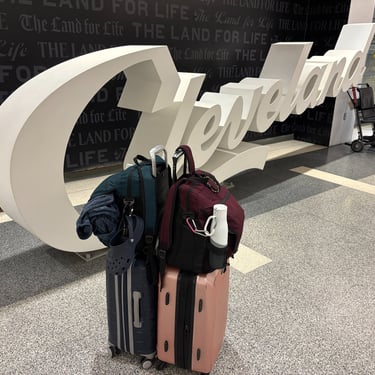
Ohio is a new state that neither of us have visited. We flew into Cleveland Airport, rented a car and drove an hour outside of town to visit family.
Cleveland
The city of Cleveland lies across the southern shore of Lake Erie with a 2020 census population of 371,853 people. It spans 100 miles along the lake and 40 miles inland. The weather patterns of the city are influenced by the grand size of Lake Erie.
Historically, Cleaveland was spelled with an A. But in 1832 the A was dropped to shorten a newspaper’s masthead. And so, the new spelling was adopted. Cleveland was a city at the heart of the Industrial Revolution with its position by the lake. The diverse manufacturing plants in the area over the years produced steel, steel products, motor vehicles, automotive parts, medical products, greeting cards, processed foods, chemicals, and electronic equipment.
As time passed, through the industrial age, advances in medicine flourished around Cleveland. There are medical and industrial research centers located here including the National Aeronautics and Space Administration’s John H. Glenn Research Center and the Cleveland Clinic.
Sports fans might be most familiar with the Cleveland Browns Football Team, the Cleveland Guardians Baseball Team (formerly called the Cleveland Indians) and the Cavaliers Basketball Team. Locals must sometimes shift their weekend plans due to the volume of traffic around the stadiums when a game is scheduled.
If arts and culture are preferred over sports, Cleveland does not disappoint. The Playhouse square is the location of several historic theaters and hosts the Great Lakes Theater Festival, the Cleveland Opera, and the Ohio Ballet.
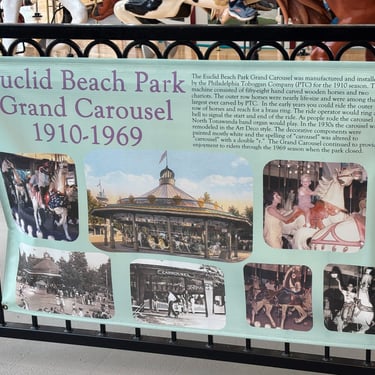
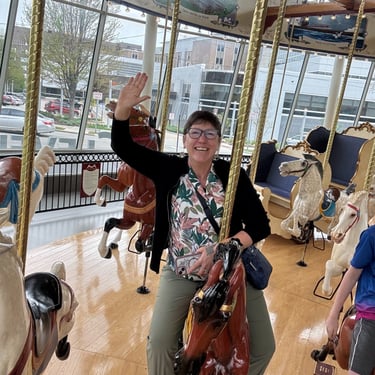
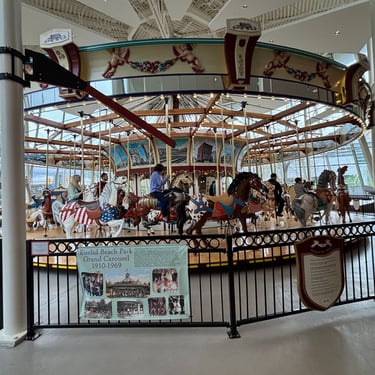
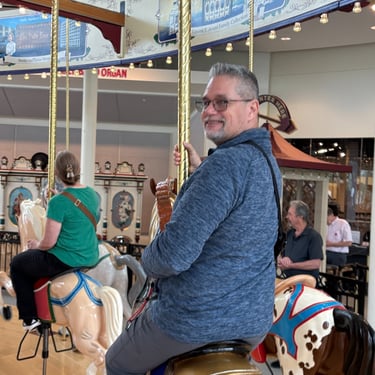
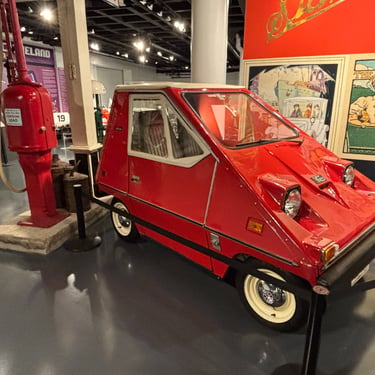
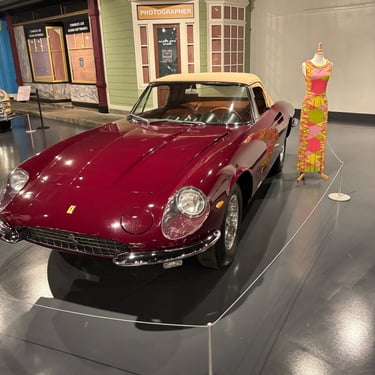
We visited the Cleveland History Center as a family and had a wonderful experience looking back in time with joy and laughter. Then we visited several other small towns nearby.
Chardon
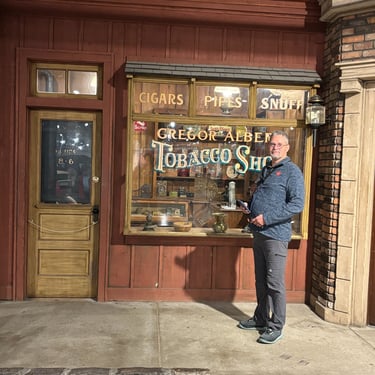
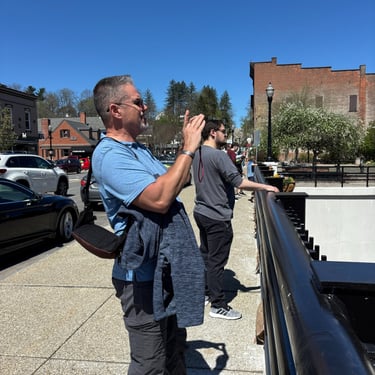
Located just 31 miles or 40 minutes from Cleveland, Chardon was designated as the county seat of Geauga County in 1808. This delightful town is steeped in colonial history with plenty of modern conveniences. The Township of Chardon, Ohio was formally established in 1821 but turned into the Village of Chardon in 1851 when part of it was separated from township. In 1840 the town had a population of 446 people. Walking through the “old town” today you can feel the ladies and gentlemen of the past strolling alongside. When the town surpassed a population of 5,000 the village automatically became a city. The official town name changed on April 29, 2001 to the City of Chardon. The 2020 census population showed 5,242 residents.
In July 1868, a great fire tore through Chardon’s main street destroying over 40 buildings including the 1824 courthouse and library. Thankfully the oldest county records were saved by citizens who ran in and carried the safe away from the fire. The newspapers reported the fire as arson and to prevent further fiery disasters, the townspeople planning the rebuild of main street opted for brick and stone materials.
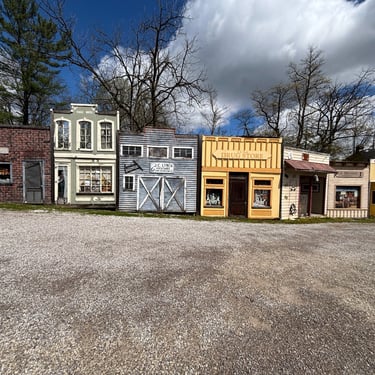
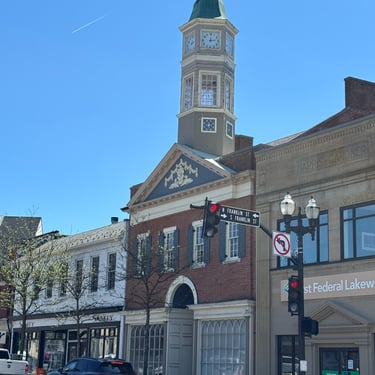
Though the original courthouse and buildings on Main Street burned down, Chardon’s Courthouse Square (7.5 acres) continued to hold historical significance for its harmonious colonial design and was listed on the National Register of Historic Places in 1974. It’s a pleasure to drive through the city today and see the businesses and homes that are more than 150 years old.




Chagrin Falls
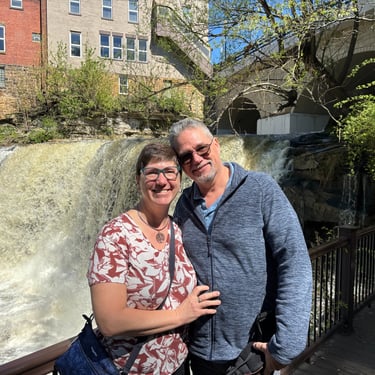
Next to Geauga County is the charming town of Chargin Falles. Located in Cuyahoga County, it was incorporated as a village on 12 March 1844. Though it occupies approx. 2.2 square miles, 57.5 acres are taken up by the river. But what a river it is. Attracting settlers in the 19th century, this river was an energy source used by an axe factory, a foundry, 2 flour mills, 4 woolen mills, 2 sawmills, 3 paper mills, a woodenware factory and a gristmill. Early population roles from 1842 showed 601 inhabitants, but the 2018 population was 3,963. Chagrin Falls has one high school which is perennially ranked at or near the top of public schools statewide and lacks diversity with 98% allocated as white.
Fairport Harbor
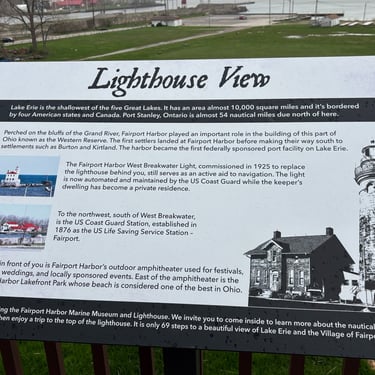
The earliest archeological evidence found in the Fairport Harbor area was of the Erie Indians. However, about 1650-1654 the Erie villages were destroyed by the Iroquois. With the rise of the fur trade, Fairport Harbor was a port of call for boats carrying immigrants from Europe. These new residents were of English and Irish descent, but the Finnish, Hungarian, and Slovak people made this area home a bit later as the docks were being built. In 1831, the harbor became the first federally sponsored port facility on Lake Erie.
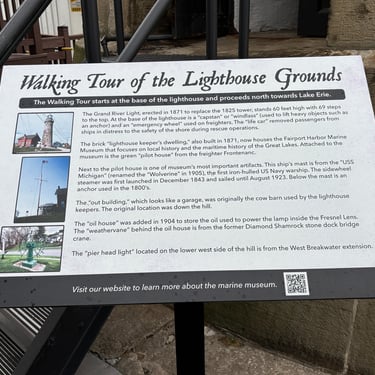
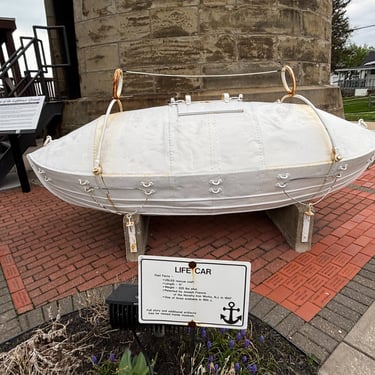
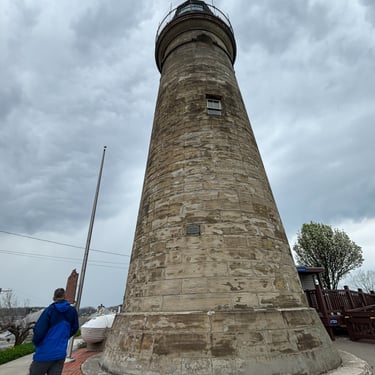
This town on Lake Erie is home to an old lighthouse originally completed for use in 1825. With the heavy winds and weather patterns on the lake, it deteriorated quickly and had to be rebuilt in 1871. The light used in the tower was discontinued in 1925, which forced the lighthouse to be decommissioned that year. Now it stands as a memory alongside an original USLSS “Life car” rescue craft patented by Joseph Francis in 1847.
The Amish
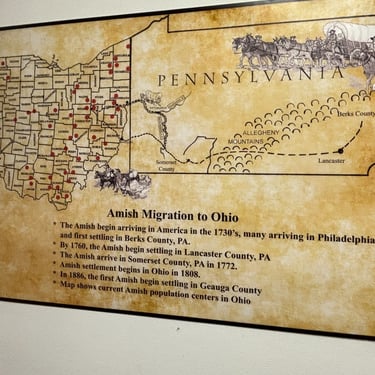
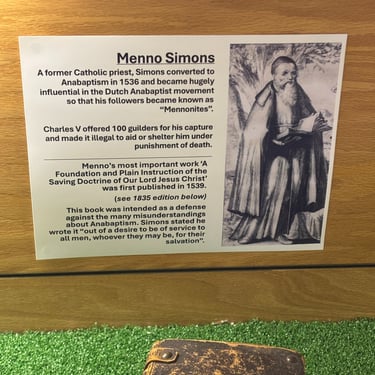
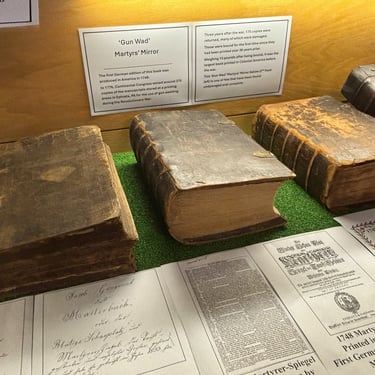
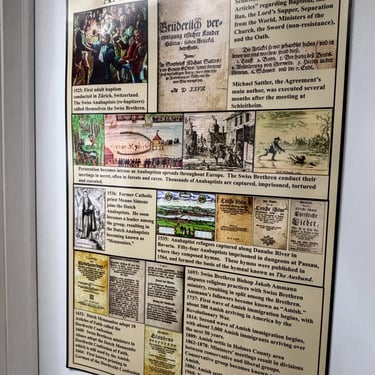
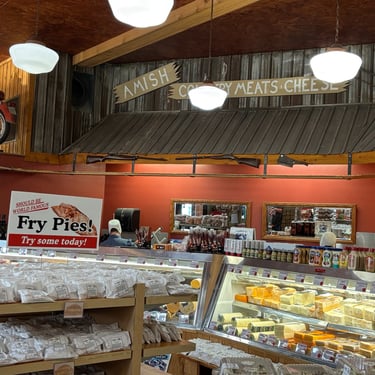
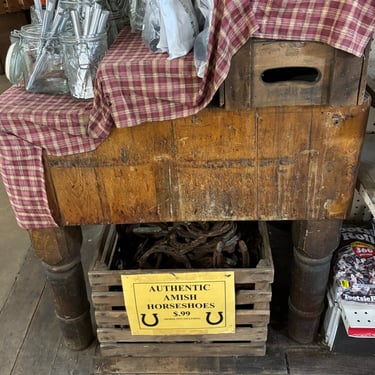
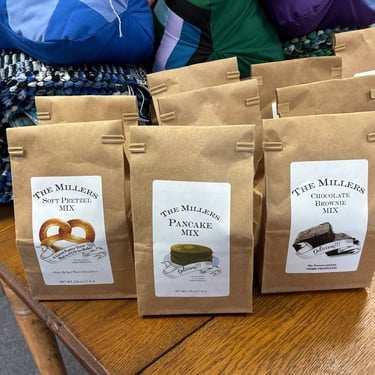
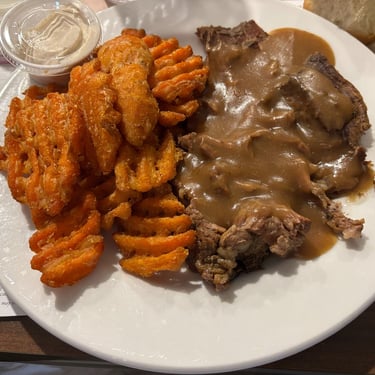
Parts of Ohio, like Geauga County, have Amish communities. We enjoyed visiting a museum, store, restaurant, and park in their community. The Amish pot roast was fantastic.
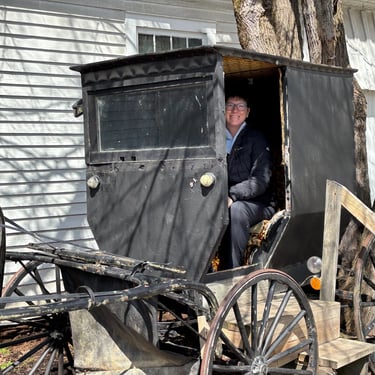
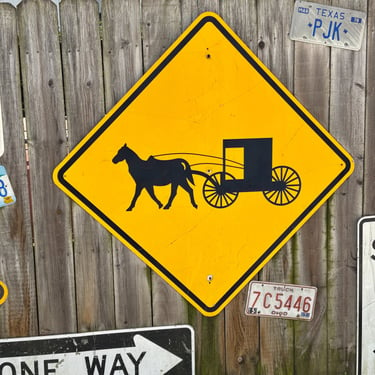
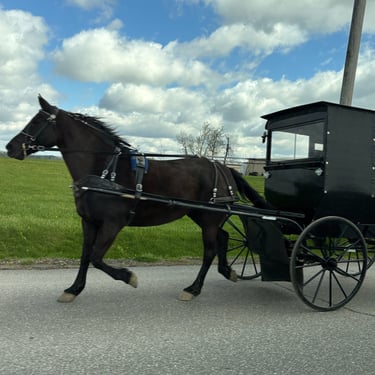
Devout Amish people do not own or drive motor vehicles. They either walk or use horse drawn buggies. In the area 6 full-time Amish craftsmen build the buggies and about 15 more men keep them repaired.
The buggies have had a consistent design for more than 200 years. One man can build one buggy completely from memory in about 22 days with every part (except the wheels and hardware) manufactured by him.
Each buggy sells for about $3500. In the USA, Amish buggies driven at night are required to be equipped with red rear taillights which are powered by a 12-volt battery.
Read more at Articles | Ohio's Amish Country