
If Doors Could Whisper the History
What if the doors of a home could whisper the history? Would they describe stories within the home or on the street? What secrets might they reveal?
LIFESTYLE
Doors. Have you ever paused to consider what’s on the other side? Front doors, back doors, garage doors, in America, doors to houses and businesses are fairly standard in size and shape. HGTV will tell you ways to paint or decorate your doors to make them stand out for curb appeal.
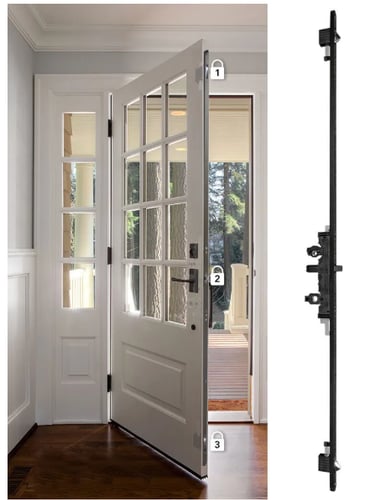
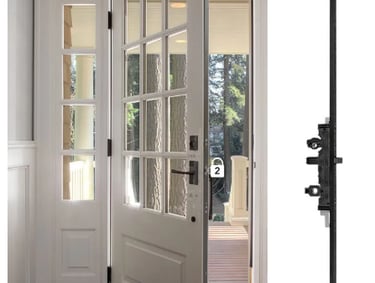
Looking from a structural and security perspective, we’ve noticed that apartment doors here are metal or solid wood and have multiple locking mechanisms (left: this internet photo shows it best) embedded into the door itself to prevent kicking inward. Why don’t we use these in America?
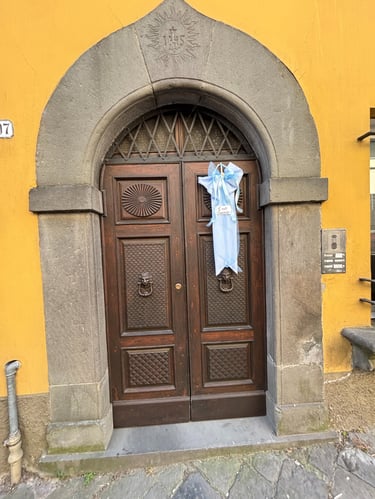
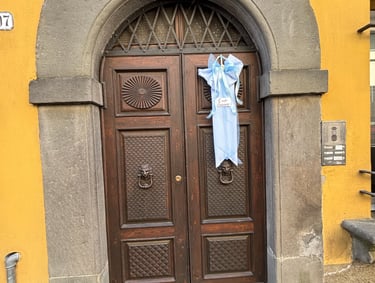
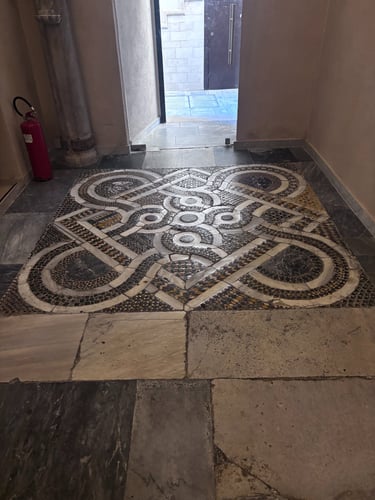
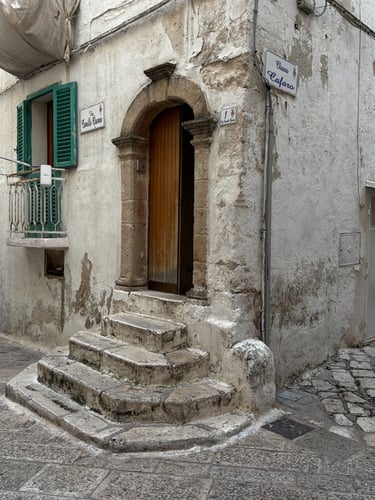
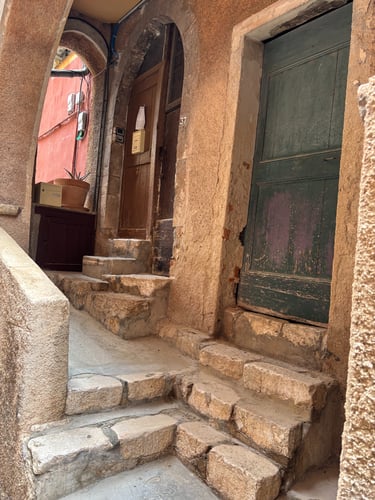
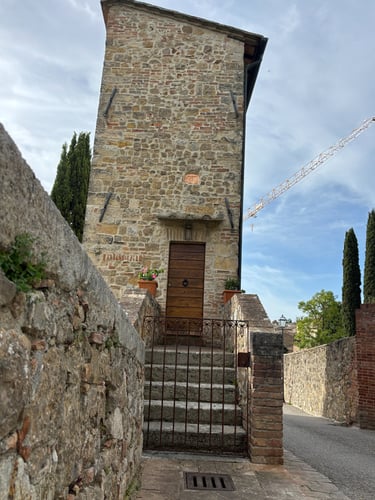
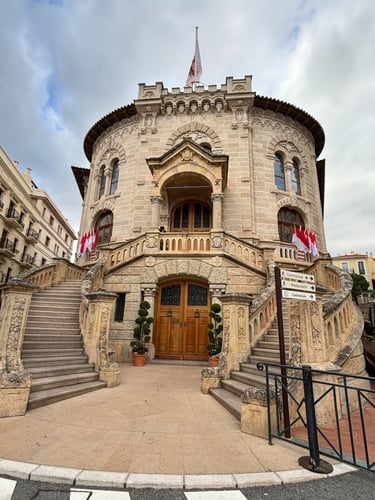
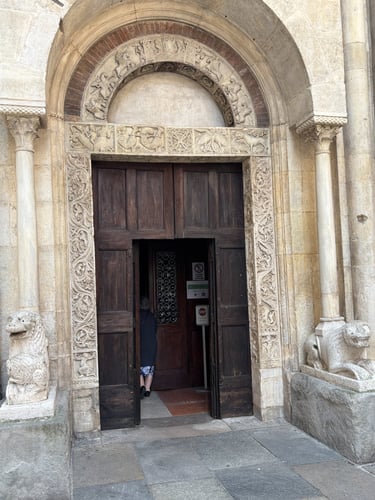
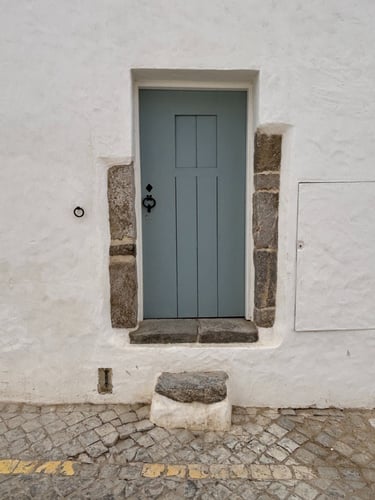
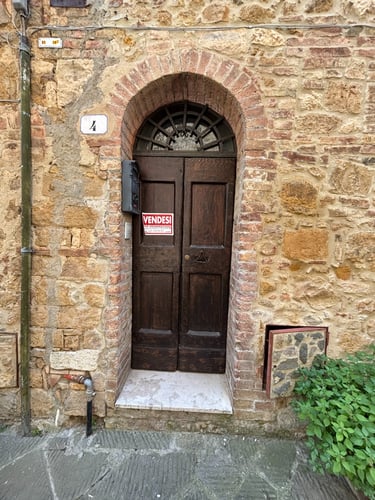
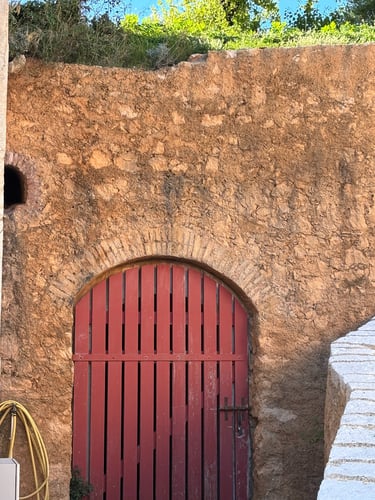
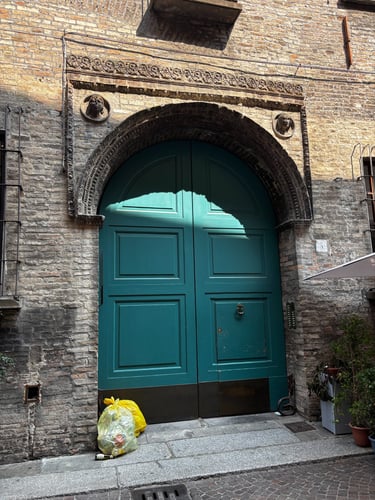
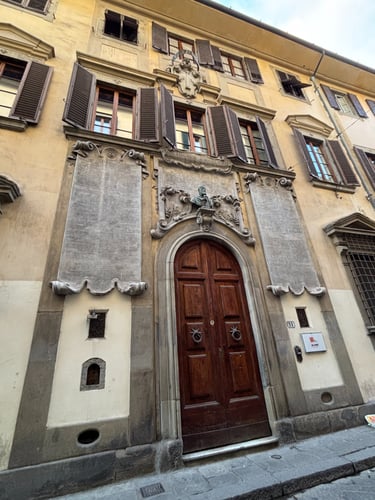
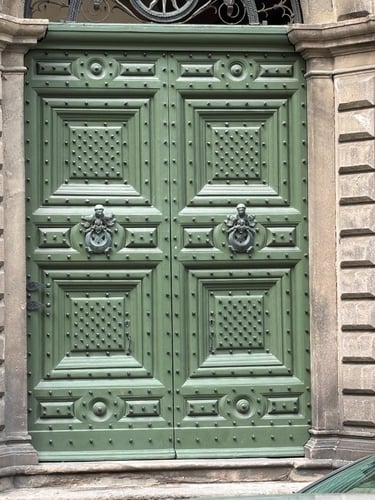
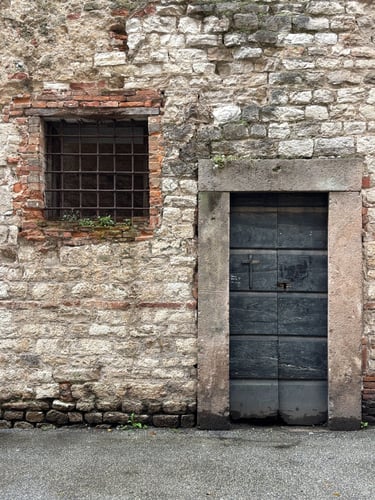
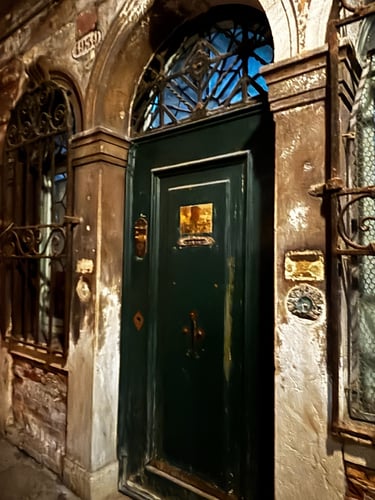
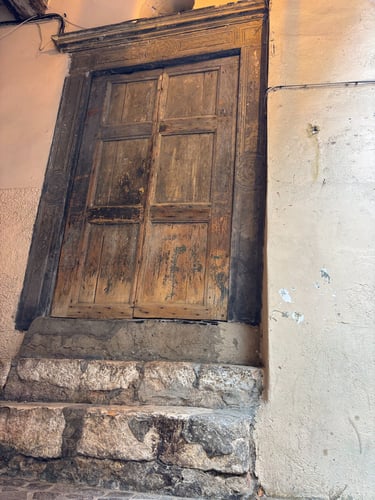
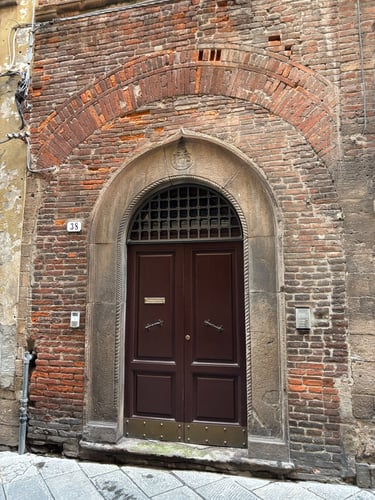
In Europe, doors are different. They have more character with differences in size, shape, hardware, etc. Part of the differences are in relation to the age of the home. “Newer” apartment buildings may have a public door to an entry followed by individual doors. As we peek into these homes, we sometimes see amazing tile floors in those entryways. Homes that were built hundreds of years ago have had roads expanded right up to the edge of them. So, when one steps outside the doorway of those homes, they are stepping onto the street itself, a bit scary in some cases. Other times, doors open onto a beautiful, enclosed courtyard which seem more common in Spain, Portugal, and Mexico.
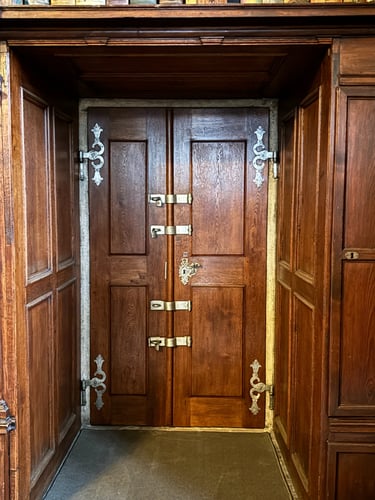
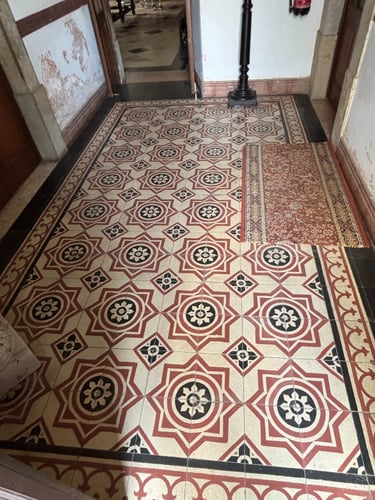
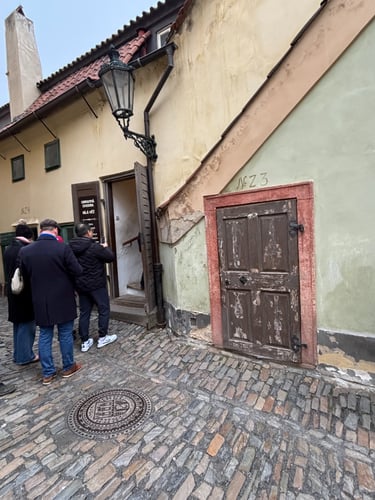
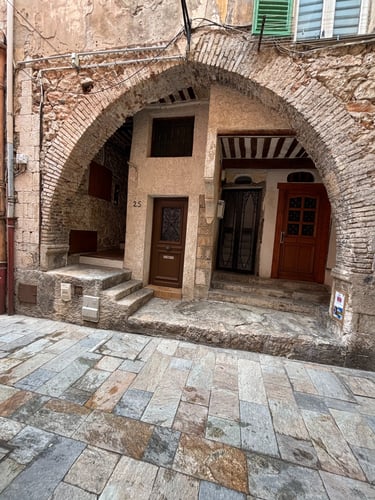
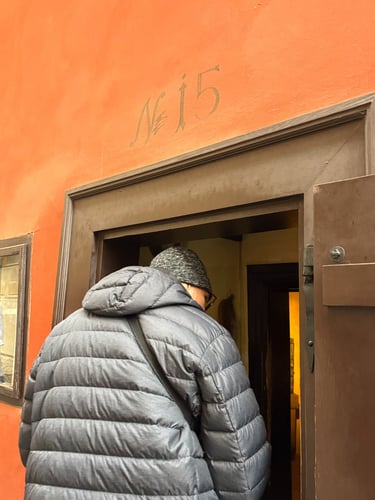
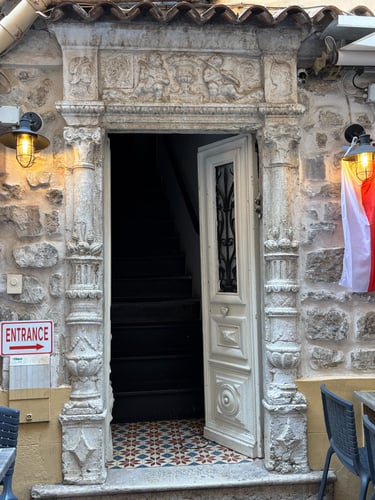
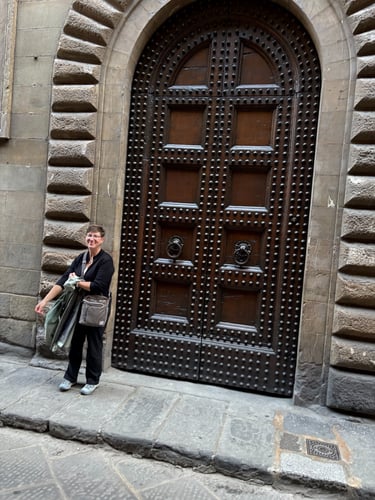
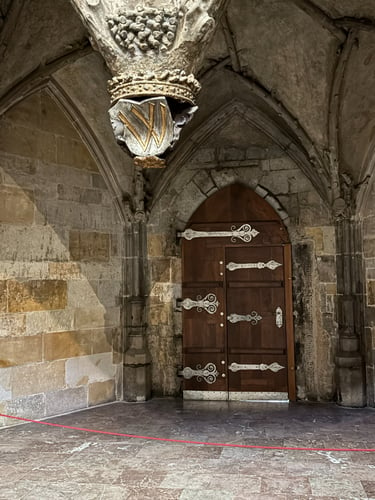
Stories we wrote, like “Where is My Home?” and “A Home with a Name” reflect some of the characteristic differences in houses. But doors, those are special parts of the houses. Doors are the gateway to the people. In the small European towns and those with “old town” classifications like Parma, Lucca, VilleFranche, and Gjirokastër we often pause to admire the beautiful doors.
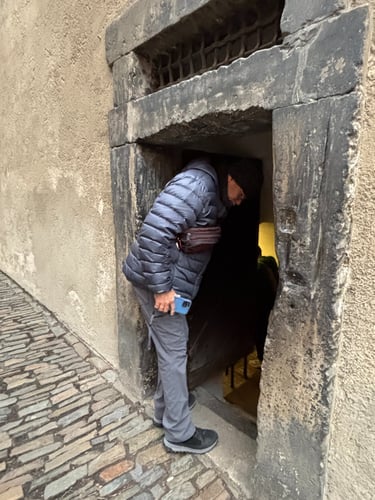
On homes or churches, museums or ruins we are attracted by the doors. From doors that seem too tiny for comfortable entry to doors that are too large for even a mounted steed, we look at the craftsmanship of each one. Did you know you can still see the chisel marks in the wood and the hammer marks in the iron straps? Who made those doors? Were they enjoying their work that day? Did they make the door themself or have help?
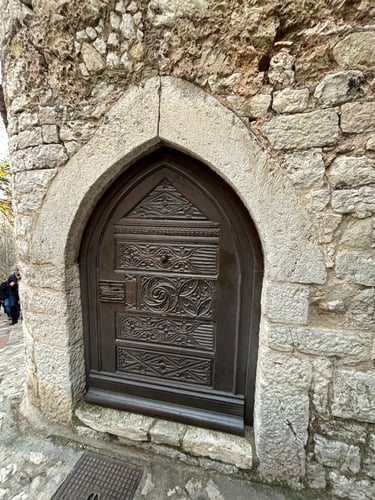
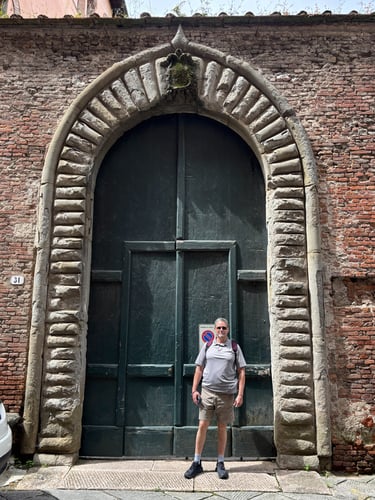

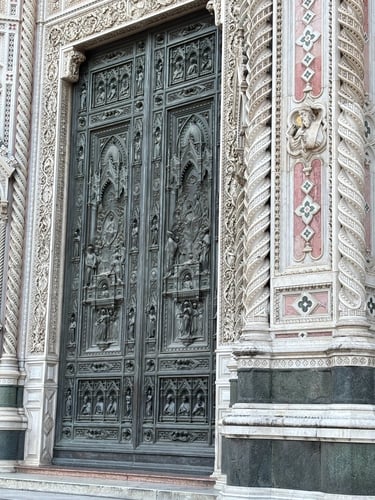
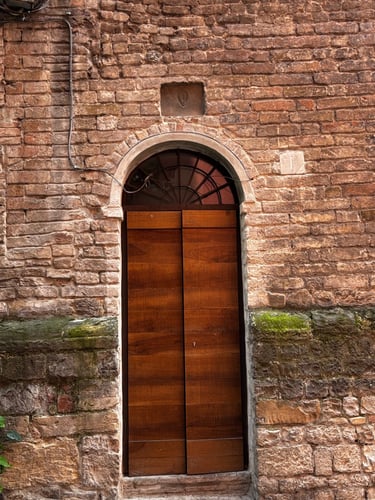

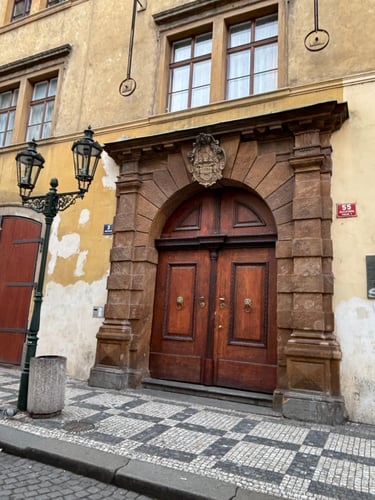
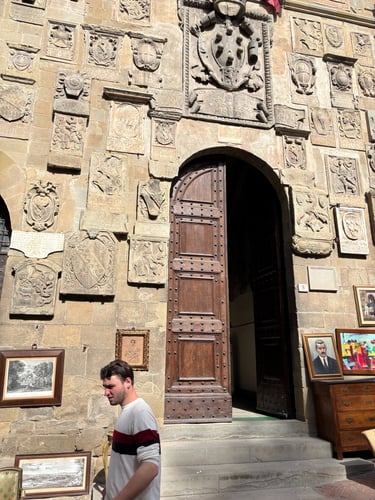
Read Next: History Renewed: A Love Story The story tells the tale of origin for my little 1915 house with its craftsman door. A public records search, find-my-grave website, and a conversation with the neighbor helped me bring alive the story my door would tell.
While we ponder these unanswerable questions, we also pause to contemplate who lives, or lived, behind that door? How many people are there? What are their occupations? How often did their children run out and slam those doors? Did this door stop soldiers at one time or prevent hostile forces from religious persecution? Knowing just a bit of the history of a town helps us answer some of the questions, but honestly, we usually think of more questions beyond the little history lessons. If the doors could talk, what stories could they tell about the gaiety or sorrow of the inhabitants?