Sarandë, Albania
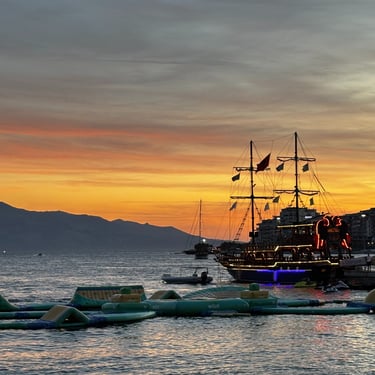
Description: Occupied since Ancient Times, Sarandë/Saranda sits on the Southwestern coast of Albania. Situated on the Albanian Riviera, it is renowned for the turquoise waters of the Ionian Sea, and becoming more of an international tourist destination, particularly by cruise ships.
Sarandë has been known by a few other names and occupied by a few other nations during its history. I read more than one internet post by someone still referring to the region as “Northern Epirus”, and then the arguments that followed. It has been Albania again since just after the end of WWII and is estimated to have just over 41,000 inhabitants.
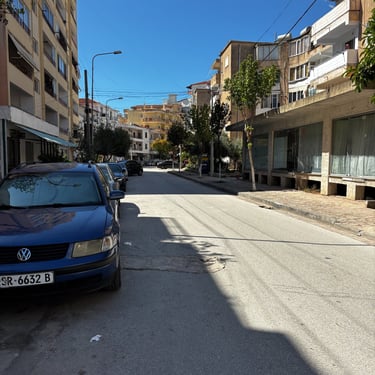
The town is situated at the base of a steep ridgeline, and it slopes upward drastically for only five city blocks in much of it. These streets running parallel to the coast/beach are of cobblestone construction, and in many places not very disabled friendly. I would give the town a 2 out of 5 for accessibility for those with mobility issues.
The nearest airport is across the water in Corfu, Greece. No trains. There are dozens of buses daily transporting people all over Albania and even into Greece to the South. Taxis are also very plentiful, and as with anywhere in Albania, WhatsApp is the best way to interact with them and negotiate prices. There is a hospital, and police presence is very common. Infrastructure I would rate a 3 out of 5.
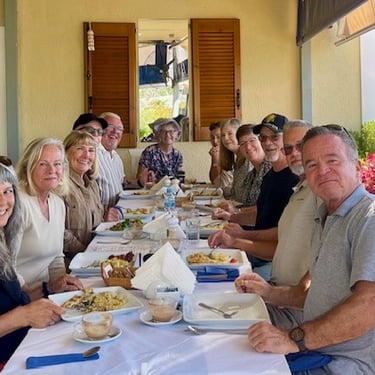
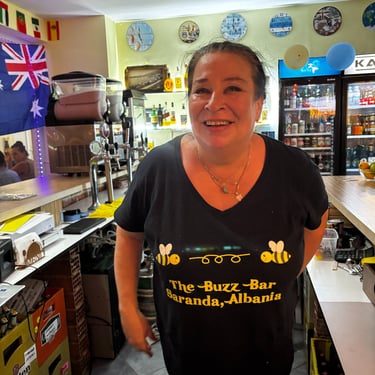
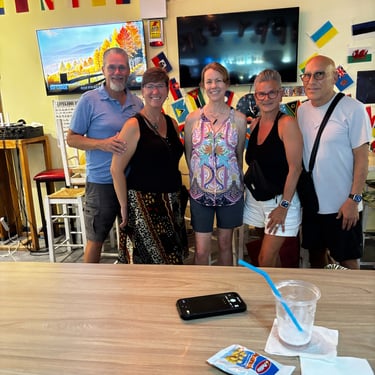
Summary of Thoughts: Sarandë was a fun and engaging beach town in Albania. The town caters heavily toward the tourist. But, as soon as the tourist season ends, late September, the umbrellas are packed away, the jet skis are put in storage, the cruise boats are taken away, and the ocean begins churning with the changing of the winter tide. In Sarandë it was fun to meet up with Expats who live there year-round. Meet-up activities are available often at regular pubs and other establishments. They were welcoming to short-term visitors and new expats alike. Day trips from Sarandë to Himarë, Gjirokastër, Ksamil, Tepelenë, and other towns are available via organized tour groups, bus, or taxi. We rode motor scooters from Sarandë to Ksamil and Butrint for a day and had a wonderful time.
Number of Days we visited: 31
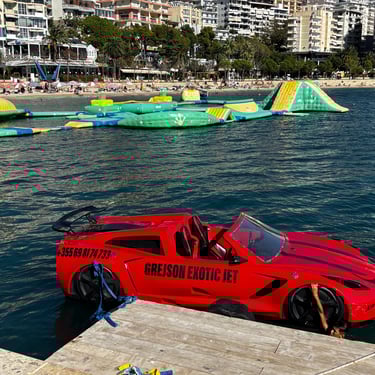
Analyzed Costs: How much did we spend? Sarandë was our most expensive Albanian city. Beginning with the accommodations, we booked a two-bedroom two-bathroom home located 200 yards from the beach at the end of the tourist season. These factors made it the most expensive accommodations in Albania. Food costs for markets and meals out were higher than our other 30+ day locations, Vlorë and Pogradec because Sarandë is a highly touristed town and prices of items are reflected. Sarandë also has a higher level of Expats than Vlorë or Pogradec which means higher prices can be charged year-round in restaurants and grocery stores. Finally, entertainment was higher than Vlorë and Pogradec because we chose to rent a Jet Ski ($121.00/hour) and two Motor Scooters ($48.00/day).


Sarandë Gallery
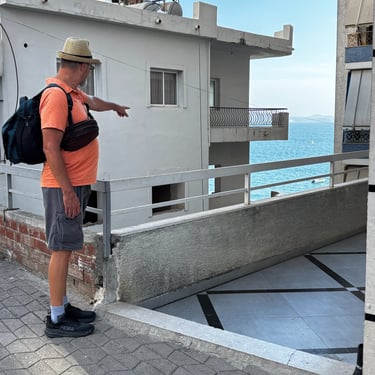
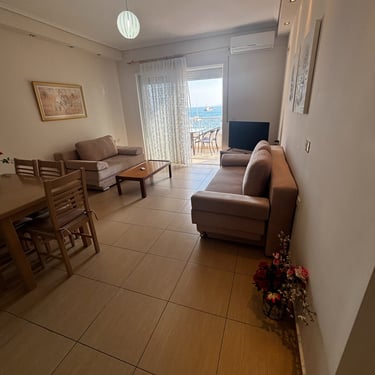
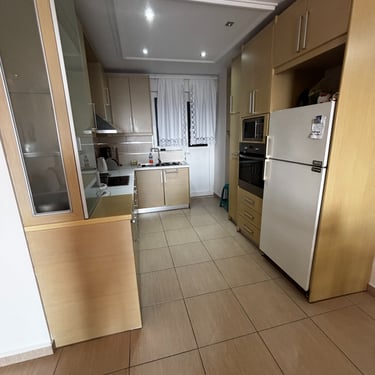
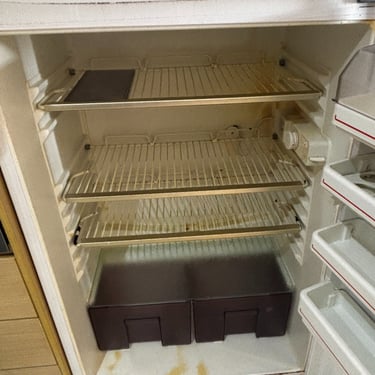
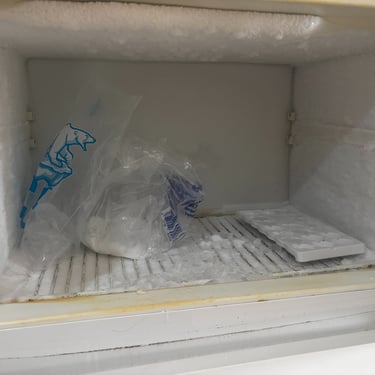

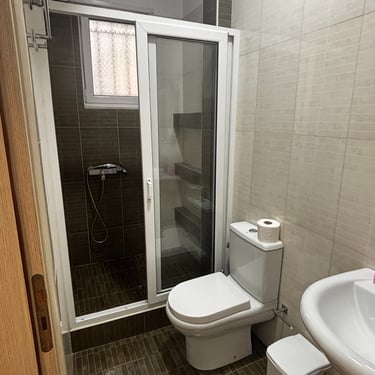
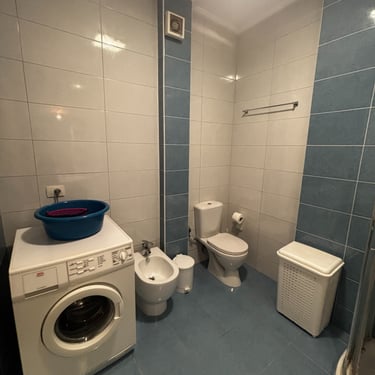
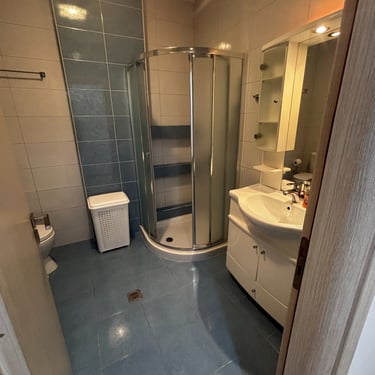
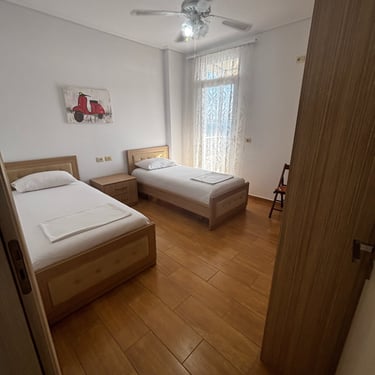
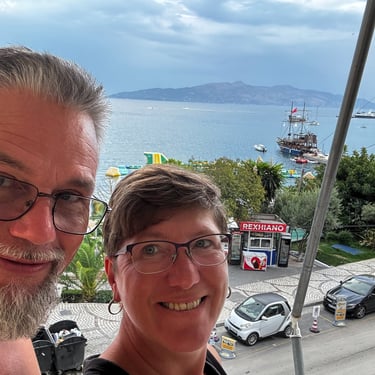
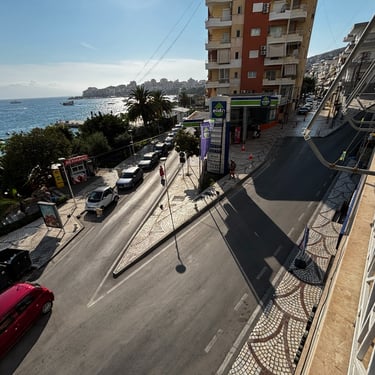

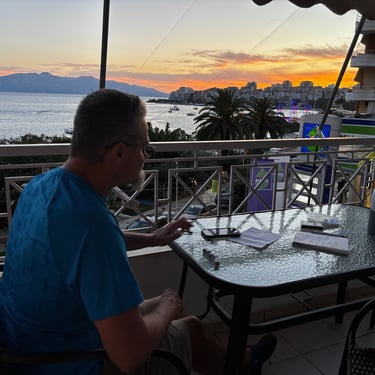
Our Accommodations: The largest apartment we rented on our travel journey, we splurged on a two-bedroom, two-bathroom apartment located 200 yards from the ocean. The view and location were fantastic, but the apartment had many things in disrepair which resulted in contacting the host several times to find resolve. We had to grin and bear it on several problems, and they received a low score at the end of our stay.

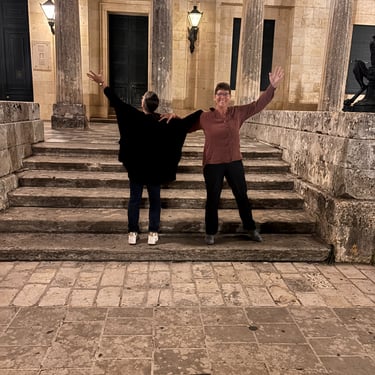
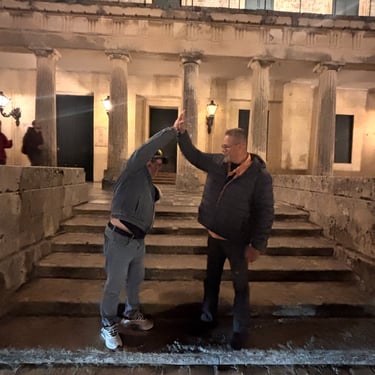
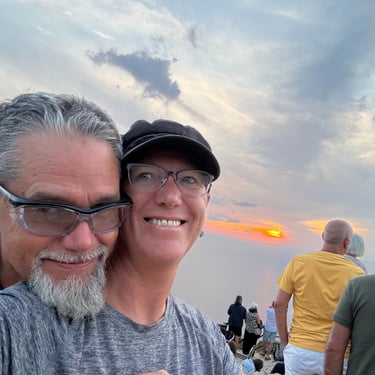

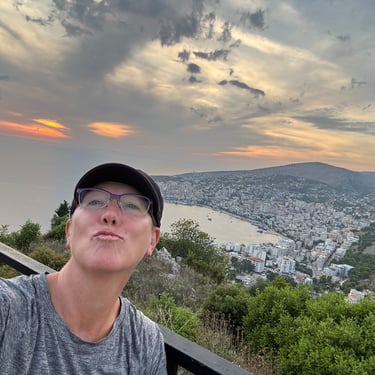
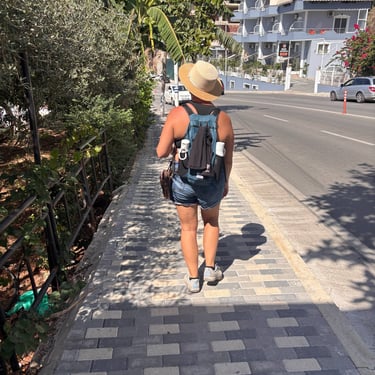
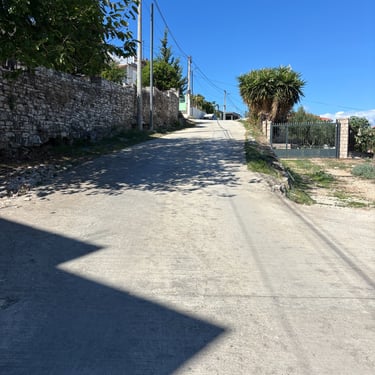
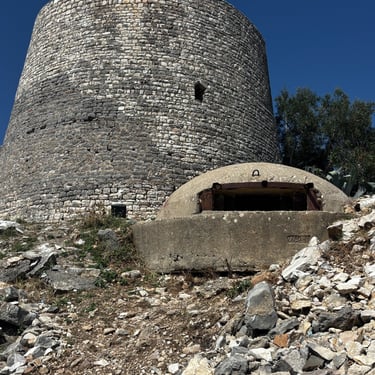
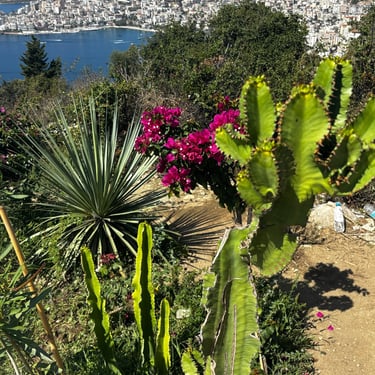
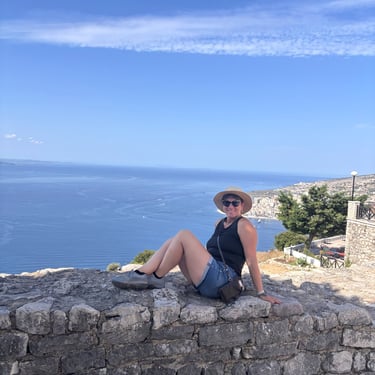
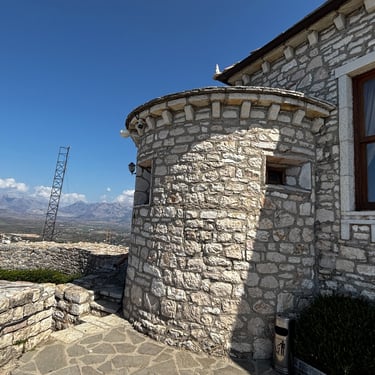
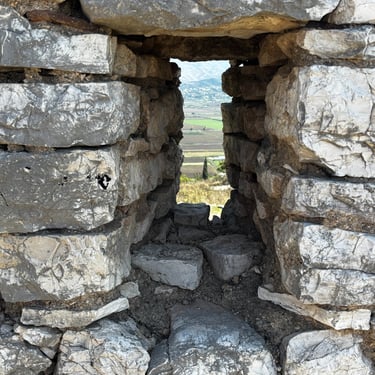
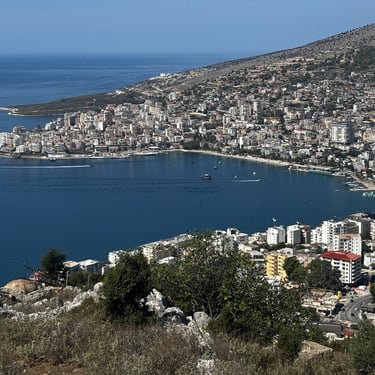
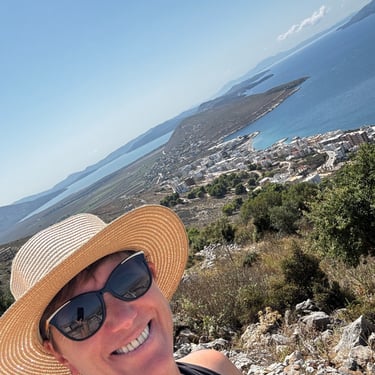
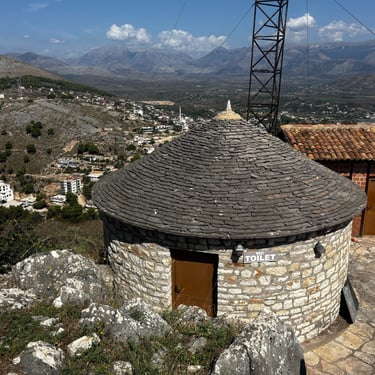
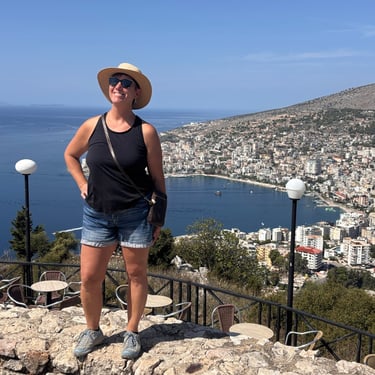
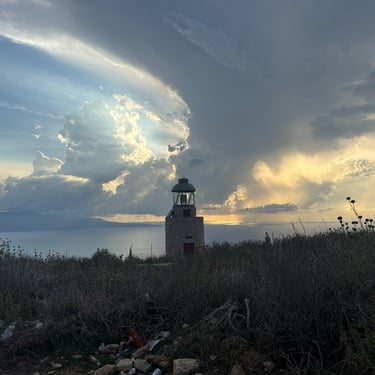
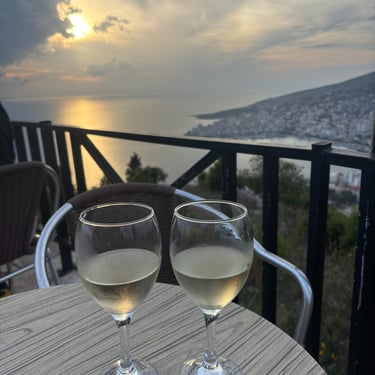
Atop a high hill overlooking the town of Sarandë is Lëkurësi Castle located amidst the ruins of the village of Lëkurës. From our apartment in central Sarandë we walked along the road on sidewalks and gravel. There was adequate space to move off the road when cars were coming. It took about an hour with all the rest breaks. On a different day we rode up there on the scooters and watched the amazing sunset which was much easier.
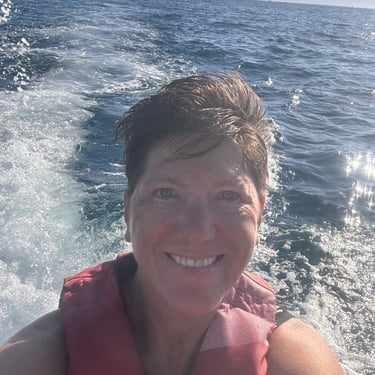
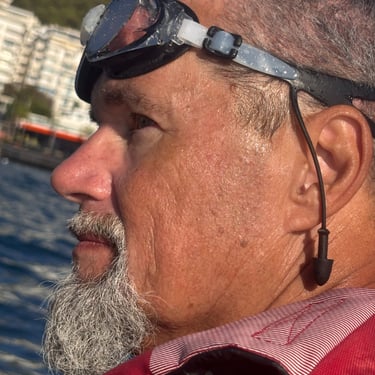
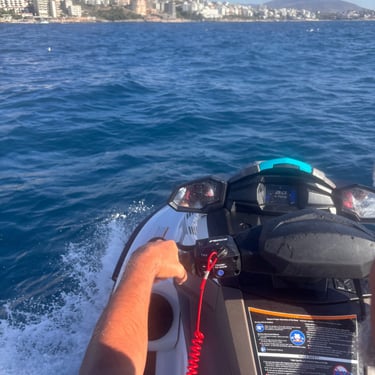
We also splurged on entertainment this month. We rented a jet ski because neither of us had ever done that before. We're not sure if old people like us should be doing such crazy things, but you only live once, right? Word to the wise...plan for 1-3 days of rest afterword since your body will be sore in the normal AND unusual places.
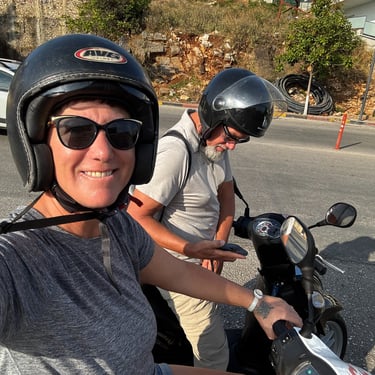
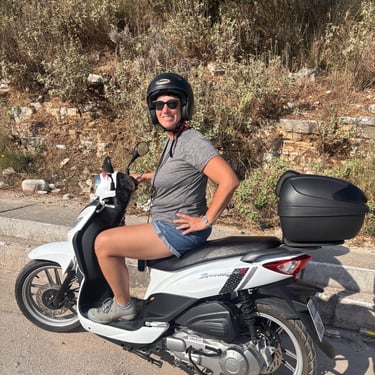
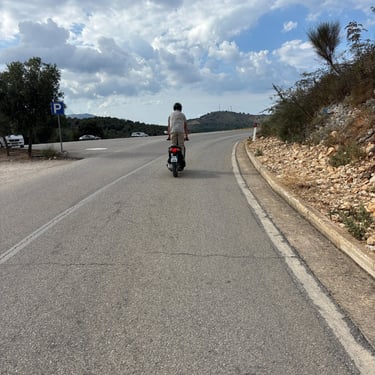
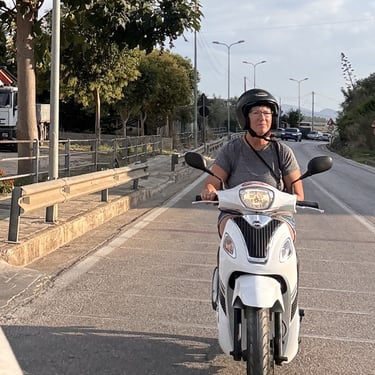
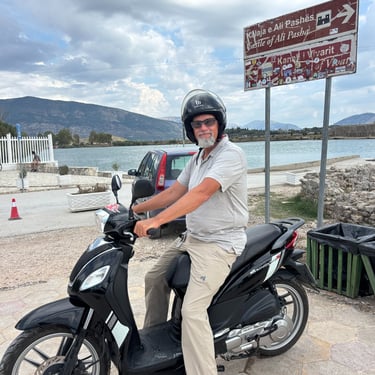
A much easier splurge was the rental of two motor-scooters. We had a leisurely drive down to Butrint National Park and the beach resort town of Ksamil. It was an easy drive with perfect weather. We HIGHLY recommend this kind of fun!
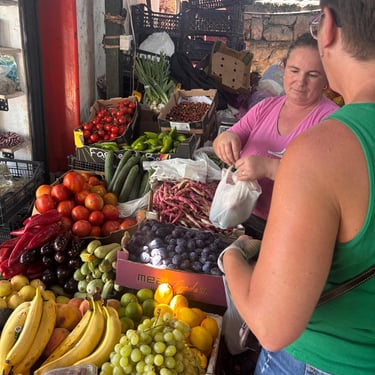
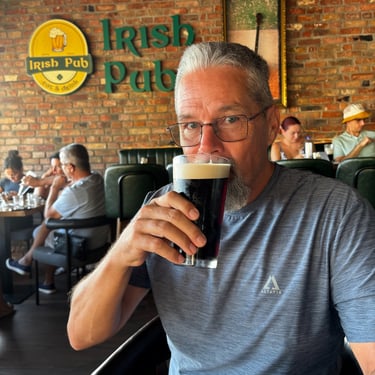
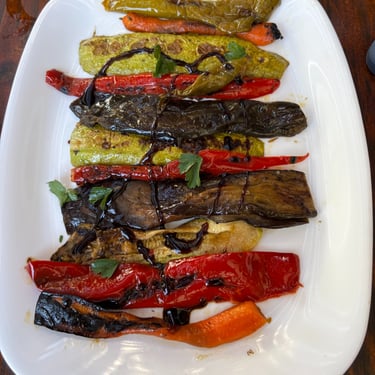
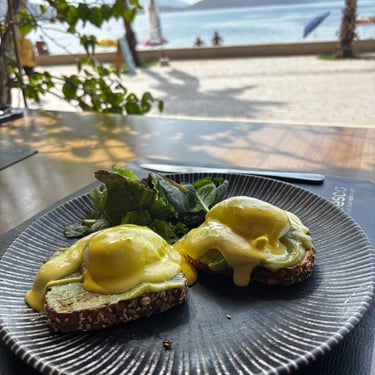
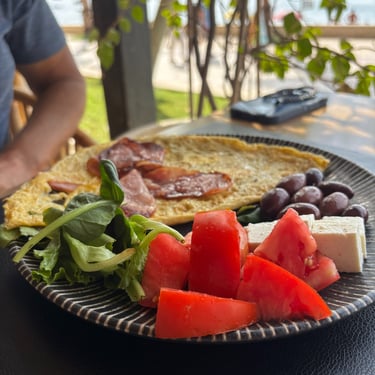
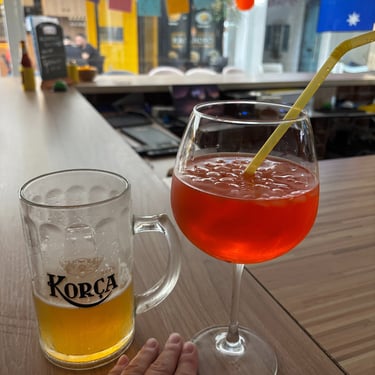
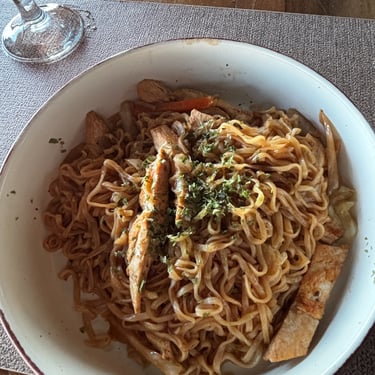
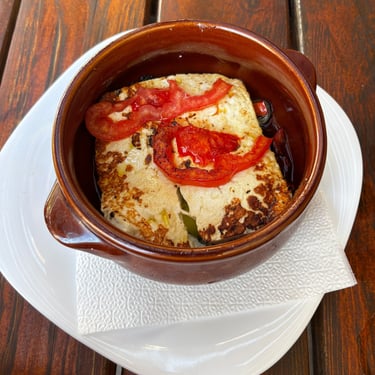
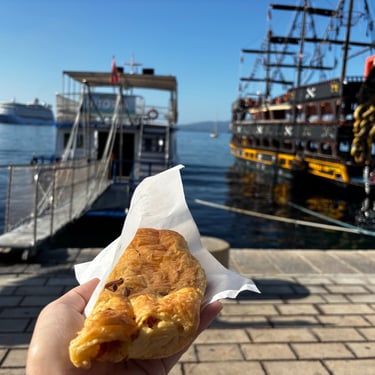
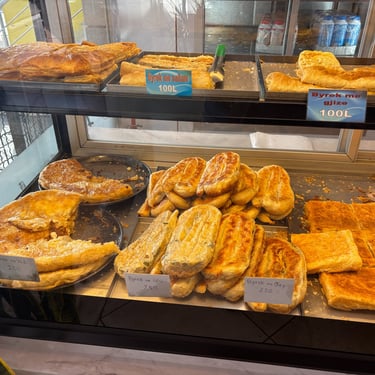
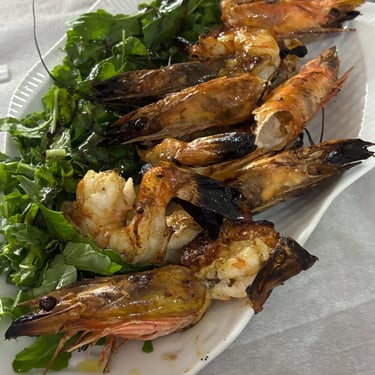
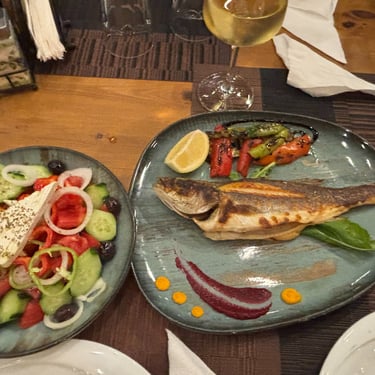
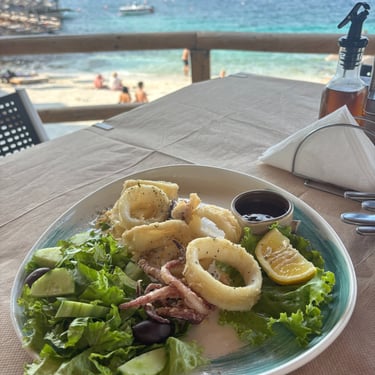
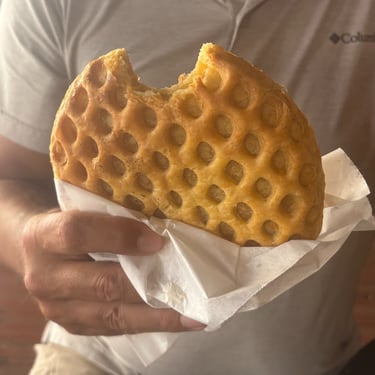
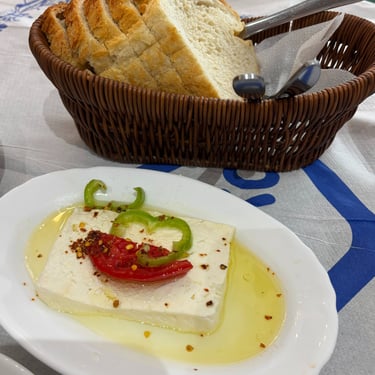
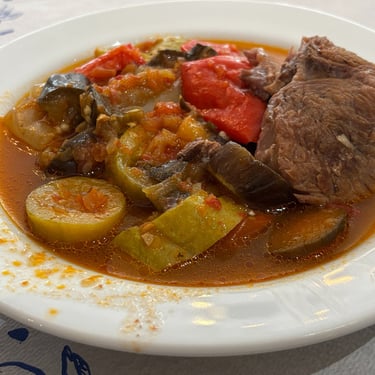
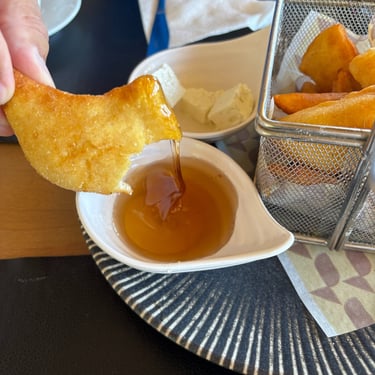
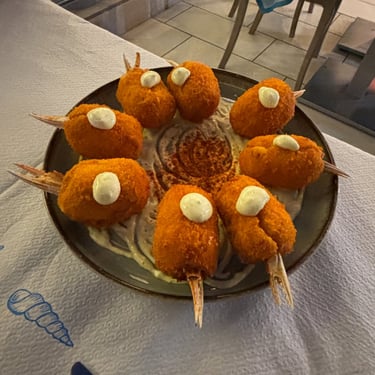
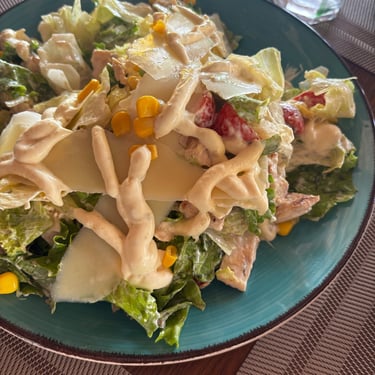
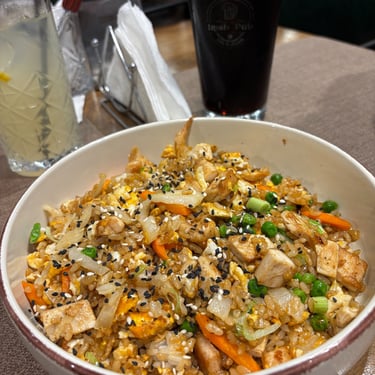
Due to the higher level of Expats, we found Sarandë to have a wider variety of food styles. Hamburgers were popular for tourists. And we ate Aisian noodles at the Irish Pub, along with a pint of Guinness, of course. Since there are so many different styles of it, Byrek was a staple every few days. The Albanian donuts were a treat. Who knew that fried dough, feta cheese, and honey is an amazing combination!! But our most favorite meal was the traditional Albanian Tave kosi (yogurt casserole) and Turli me mish vici (mixed vegetables with beef).
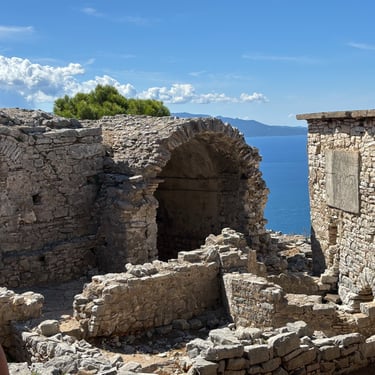
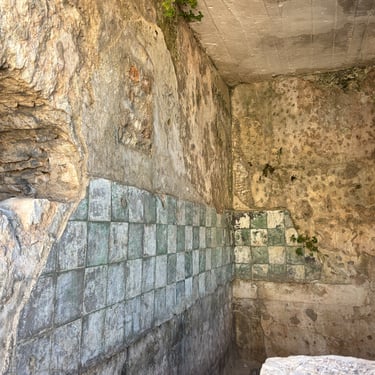
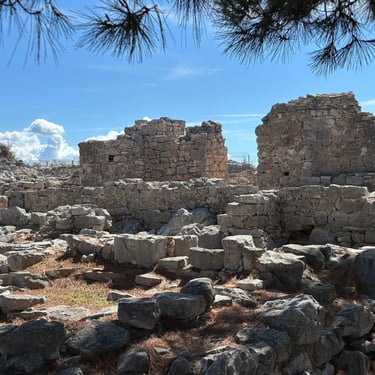
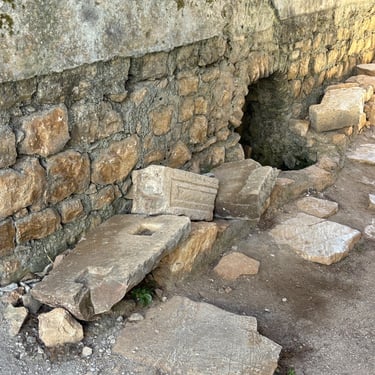
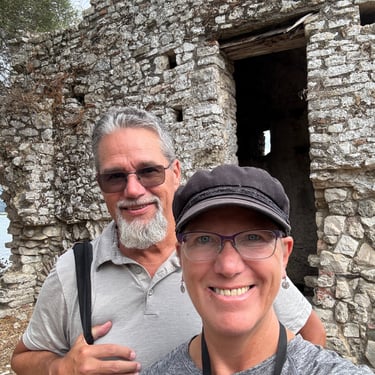
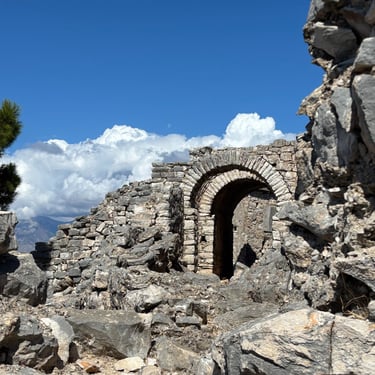
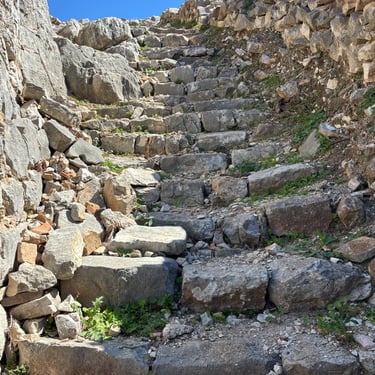
If you like old stones like us, then going to the 40 Saints Monastery should be on your itinerary. Getting there takes effort. A taxi driver should be able to navigate the steep narrow roadway, but I would not drive myself there. We walked to the site slowly, pausing to take in the rich scenery around us and to rest the feet. The next day we rested our calves and thighs too.
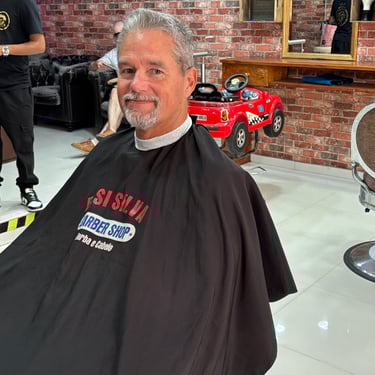
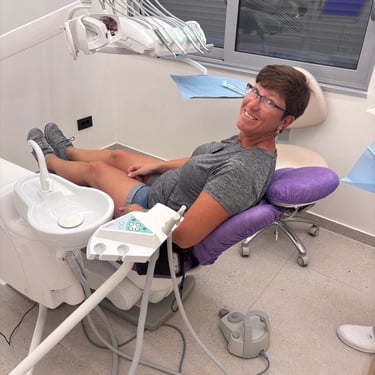
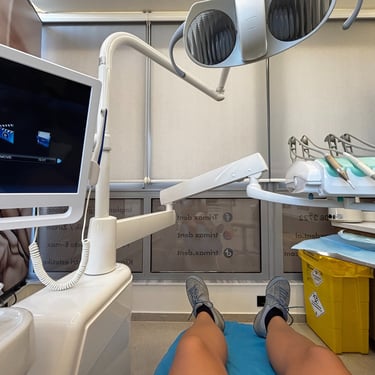
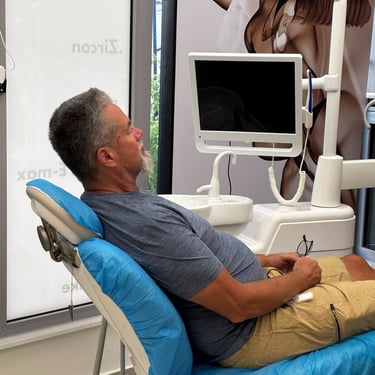
Living in paradise often requires "normal" activities too. Getting haircuts, shopping, and going to the dentist are part of life. We both had our teeth cleaned at TriMax Dental for $43.00 each. Then, I elected to have a tooth extracted ($24.00)! Read about it at Dentist Trip in Albania.
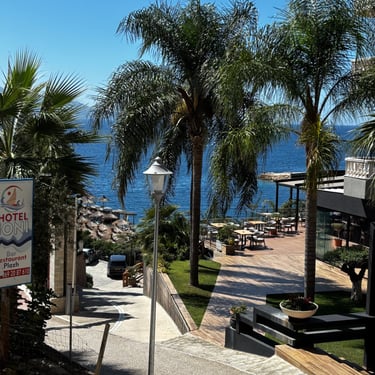
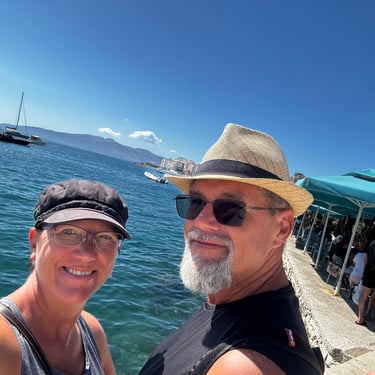
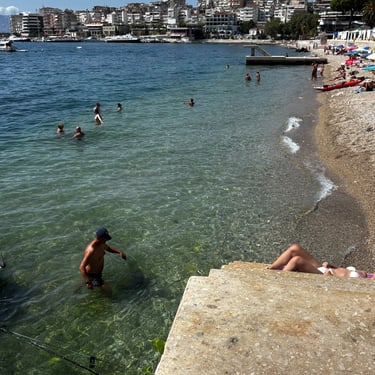
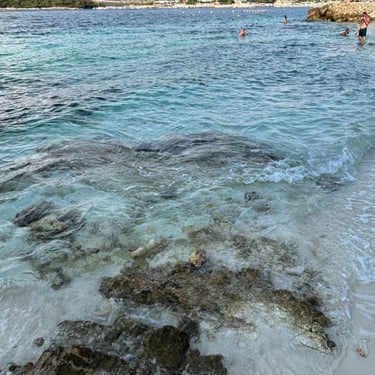
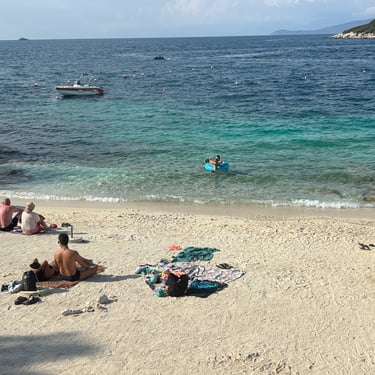
The Beach and Promenade! During our stay from September 7-October 7 we had no trouble finding space on the free public beach. The water was refreshing, and the sun was warm. The promenade was a great place to walk but turned out to be shorter than we expected.
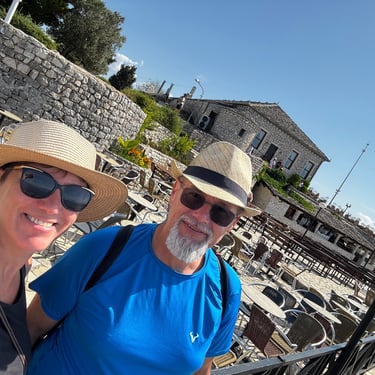

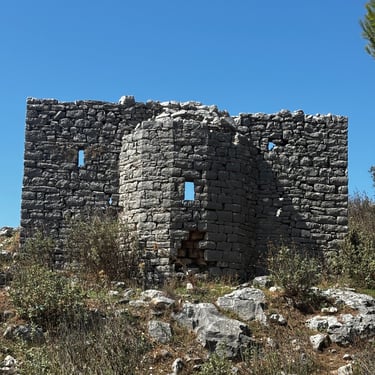

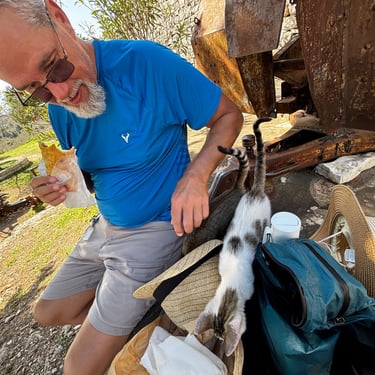
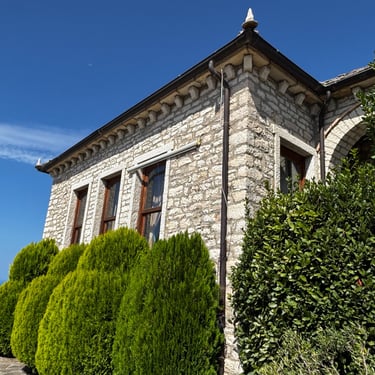

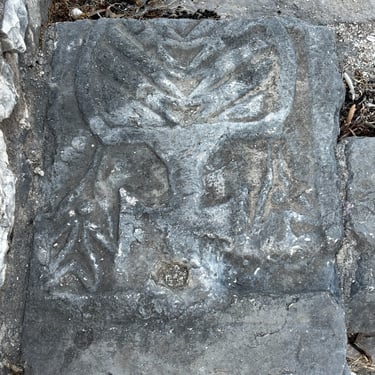
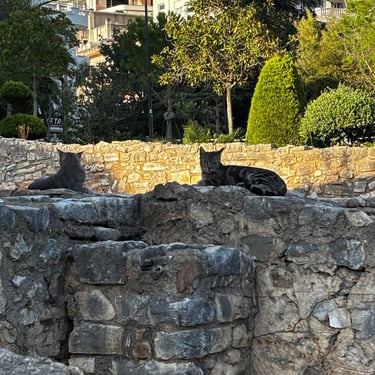
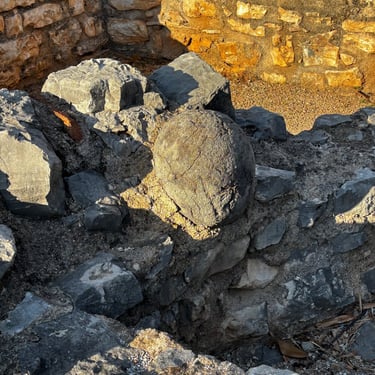
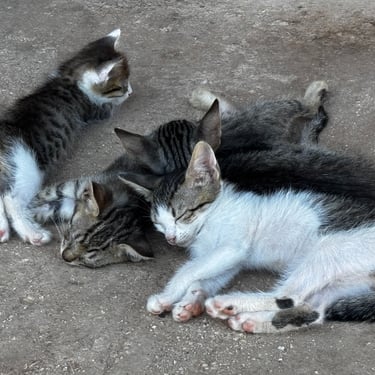
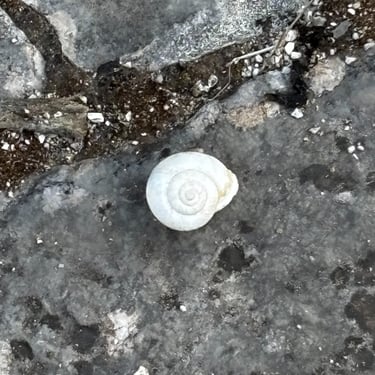
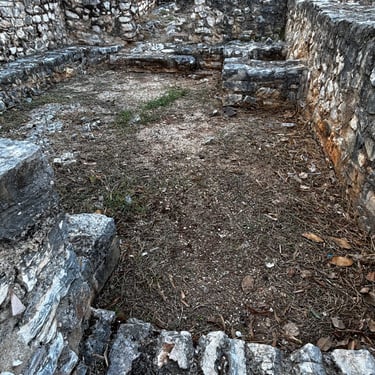
Other old stones few people mention are the ruins of the Onhezmi Castle. In the center of Sarandë you will find what was a horseshoe shaped plot from the Late Antiquity period. Imaging human life in places like this is common for us. Seeing the current lifestyle of cats and snails who live there now was a delight.
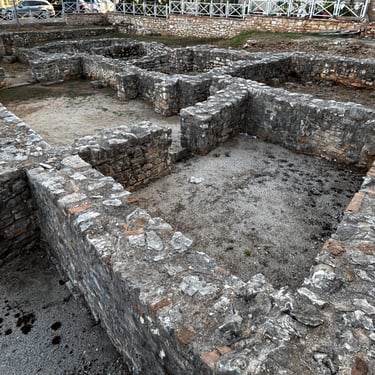

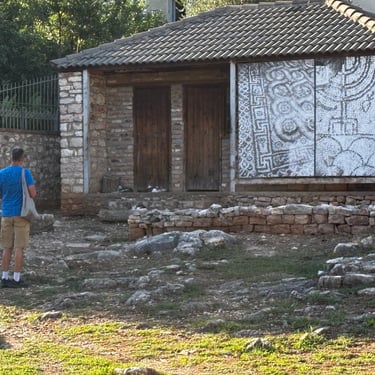
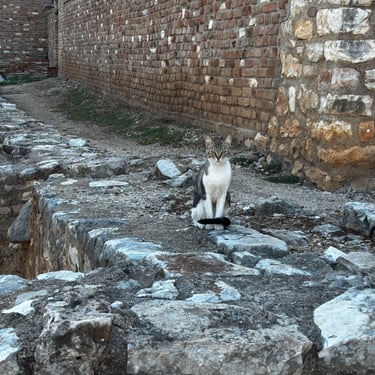
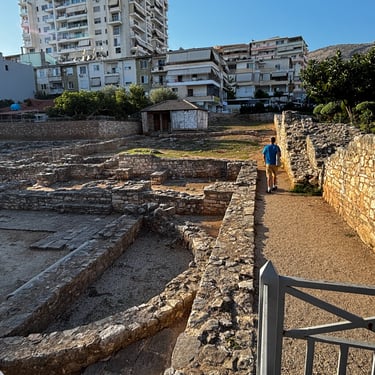
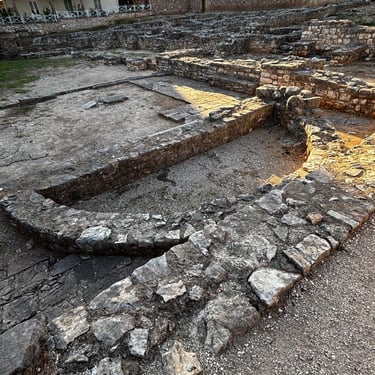
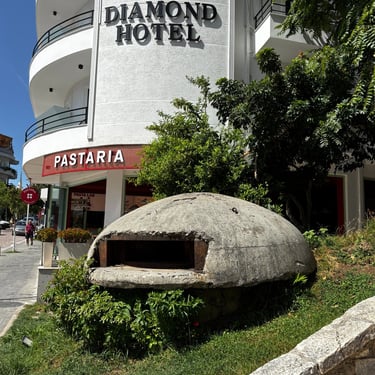
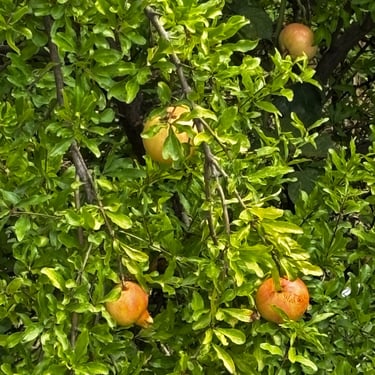
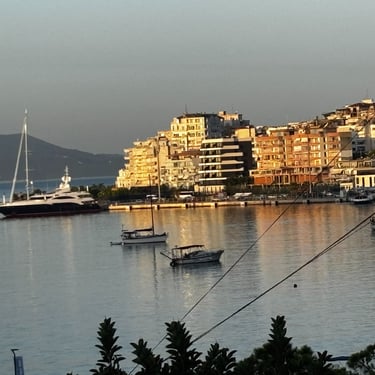
The city was a lovely mix of rustic, beachy, and urban with fruit growing in any nook or cranny. The people we met in various social groups were kind, generous, and a pleasure to call new friends.