The Games People Play
From the beginning of time to present day, games weave the threads of social engagement.
LIFESTYLE
Electricity and computers were not needed to play games displayed in various ethnographic museums in Europe.
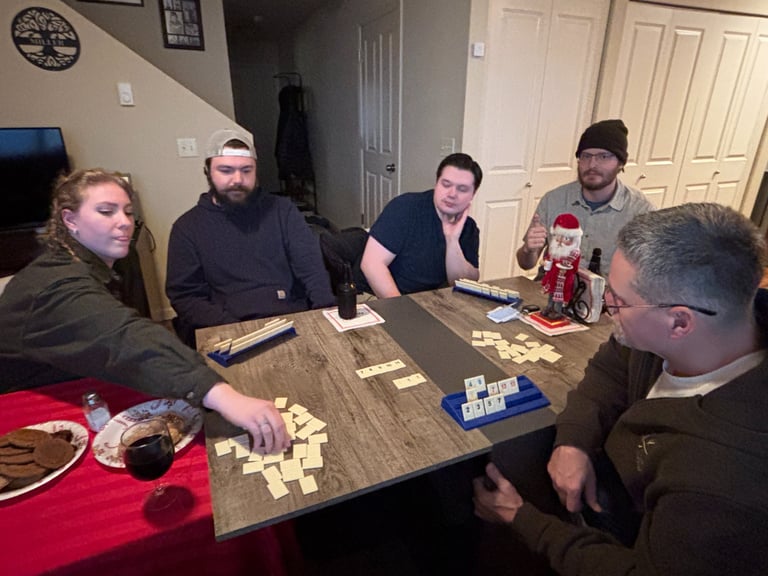
Before we embarked on our travels we had a final dinner with our adult kids. None of them have children yet, so it was just the grown-ups. To make it more fun and memorable, we played some board games. Though Milton Bradley popularized family games, he did not invent them by any means. Founded in 1860, Milton Bradley Company is the oldest game manufacturer in the United States, but not the oldest gamer in the world.
Pictured here is Rummy Cube played in teams.
Do you remember your favorite games as a child? What about as an adult, do you ever play games that aren’t on your phone?
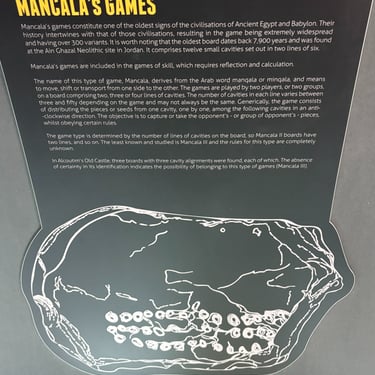
Mancala-type games are one of the oldest varieties of games which are categorized as skill-based or scholarly. Dating back 7,900 years to ancient civilizations in Egypt and Babylon, this game played with seeds or tokens now has more than 300 varieties.
Abstract strategy games like the various forms of tic-tac-toe (AKA Nine Holes, Nine Men’s Morris, 3-in-a-row, noughts-and-crosses, or Taptan) have been discovered in multiple countries like Egypt, India, and Greece.
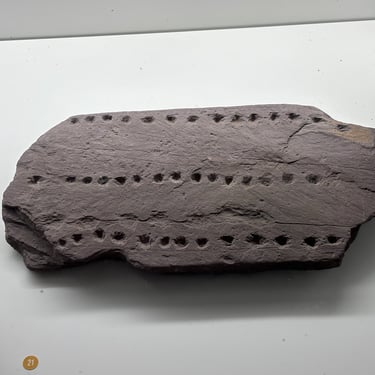
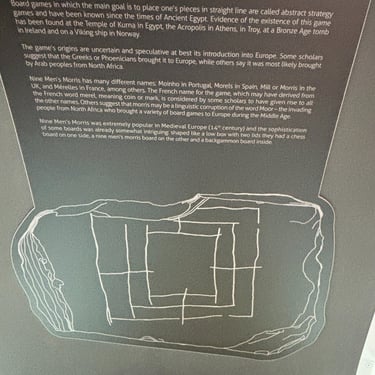
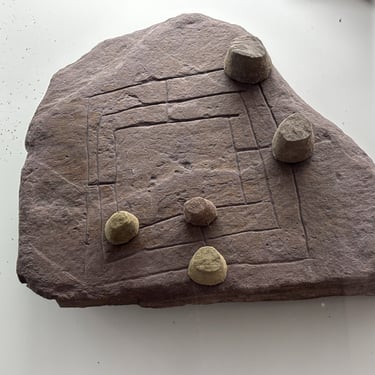
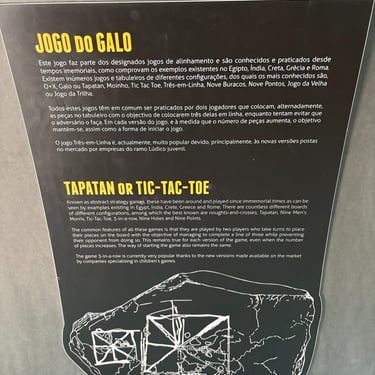
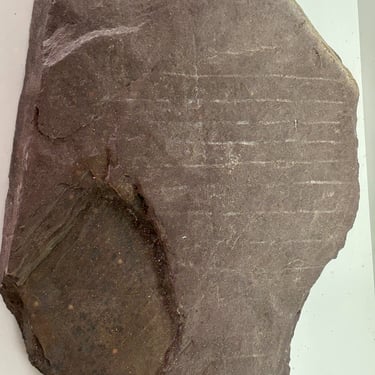
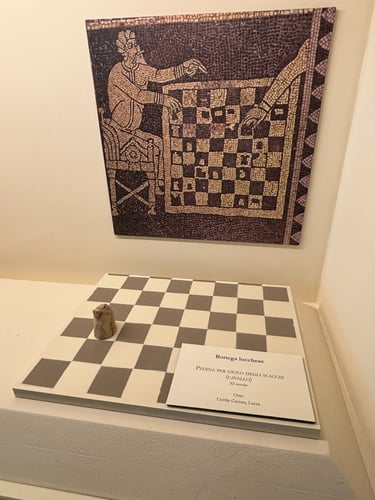
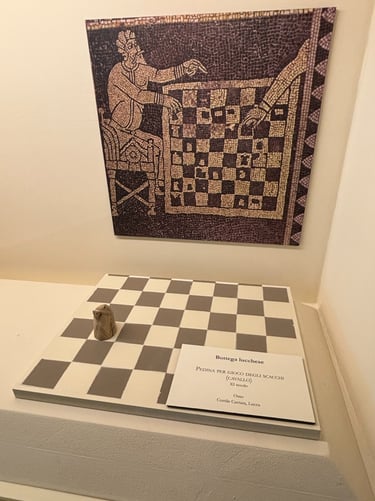
The game of chess is more than 1500 years old! This war-strategy game originated in India but spread all around the world and evolved into scientific and mathematical puzzles that eventually lead to using computer solutions. But man still dominates this game with today’s headlines going to Anish Sarkar who is only 3 years old! From India, he just became the youngest FIDE-rated chess player in the world.
From simple stones to carved stone pieces.
Imaging walking through a small Italian town on a sunny day and seeing the street blocked off to traffic. Tented booths and food trucks were arranged on the street and people had begun milling about. When we inquired about the event at the information booth on the street, we were told it was a “Slow Festival”.
As with any festival there were vendors selling food, art, books, and gifts. But this Parma street fair had an entire block lined with table games. Someone had gone to a lot of trouble making these cool table games. Throughout the day we watched parents showing young children the games, adults playing the games with each other, and teenagers playing against their mates. The best part of these games was seeing their laughter. From concentration to smiles to bust-a-gut laughter, this “Slow festival” was designed for peaceful social interactions with an edge of competition.
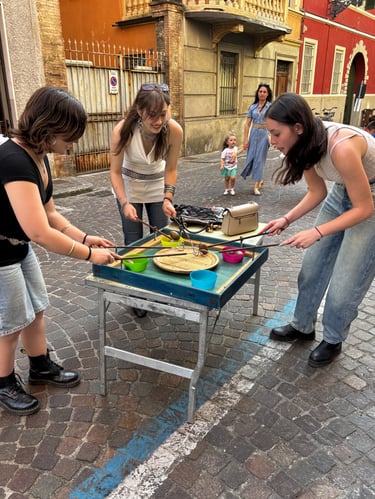
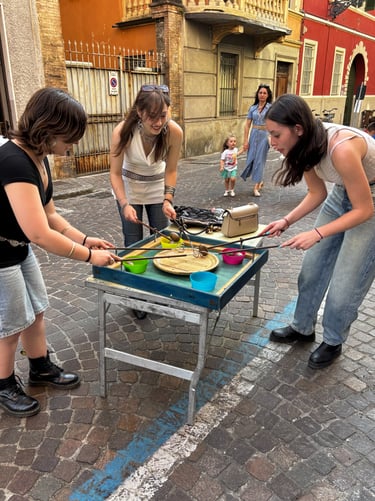
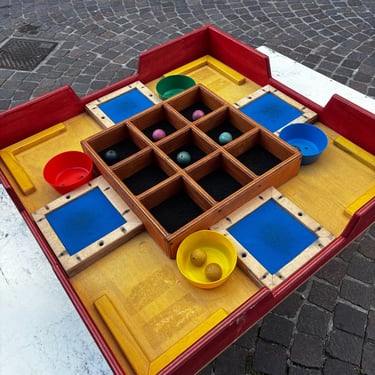
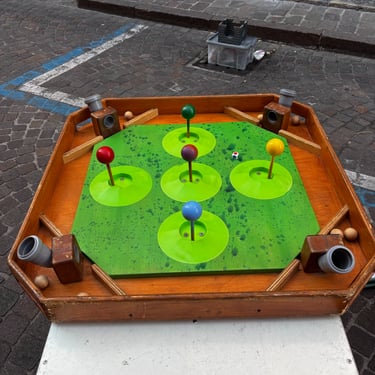
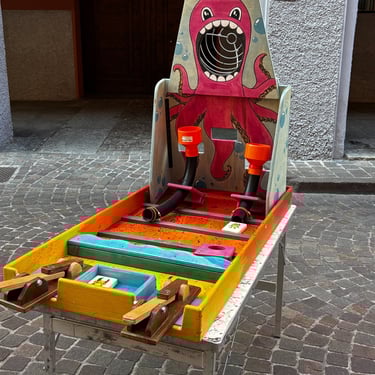
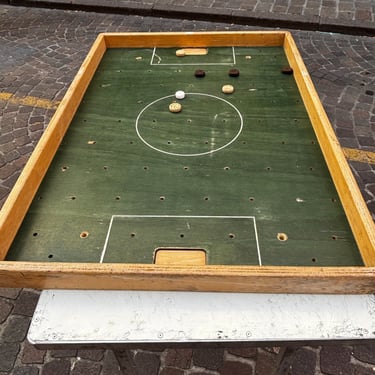
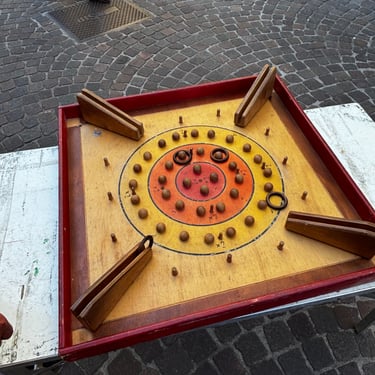
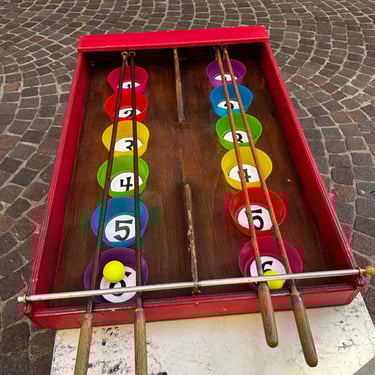
Everyone else gets to play, in this town.
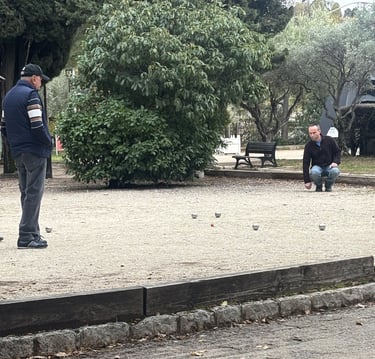
After visiting the Roman ruins in Nice, France, we walked through the city park toward our next destination. Noise and movement caught our attention, so we sat on the park bench to watch. Small groups of men and one woman were tossing small steel balls. We saw this on TV. It was a French Game call Boules and now we had the pleasure of seeing locals enjoying this regional game in their neighborhood park.
According to Britannica…"Boules is played between two players or teams. Players take turns throwing or rolling a ball (boule) as close as possible to the target ball (called the jack, or cochonnet); if necessary, the player will use his ball to knock the opponent’s ball away. The balls are usually made of steel and are about 7–8 cm (2.75–3.15 inches) in diameter; the target balls are smaller, about 25–35 mm (1–1.35 inches) in diameter. The game is played on a pitch some 15 m (49 feet) long and some 4 m wide."
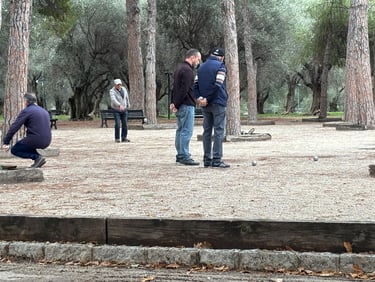
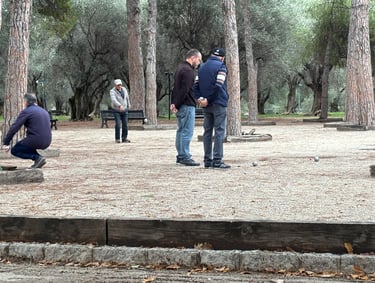
Competition can be fierce in some neighborhoods.
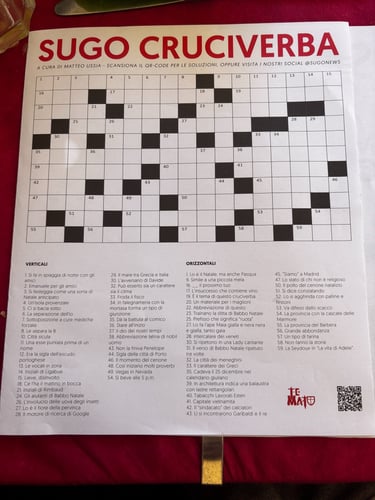
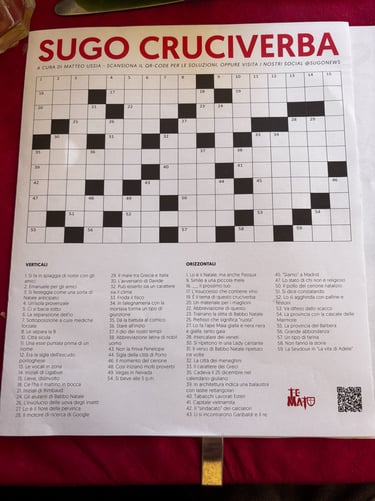
While in Italy we opened a free newspaper and discovered a crossword puzzle. As we all know, crosswords are written at various challenge levels. Have you ever thought about trying to solve one in another language?
Don't have friends who play games, challenge yourself.