Why DO we follow the stones?
No, not the rolling stones. They’re on another website.
RETIREMENT
Do you ever wonder where you came from? Or contemplate where your body or soul goes next? We are here in the present because of the pathways chosen by our familial ancestors. Now that we are aging, and have more time to think for ourselves, Greg and I are asking some of these morality questions. Having worked for almost 90 combined years in the service of others, we are now taking giant steps backwards and looking at the lives of the people who came before us.
Besides being drawn to the ancient earth elements (earth, water, air, fire), we are also moved by the incredible hard work our human ancestors gave to meet basic life elements (housing, government, religion, cooking, and security) long before life became "convenient". Some of their work even appears to defy logic without power tools and machinery. We respect that hard work. Combining these interests motivates us to review the lives of those who walked before us. Let us show you.
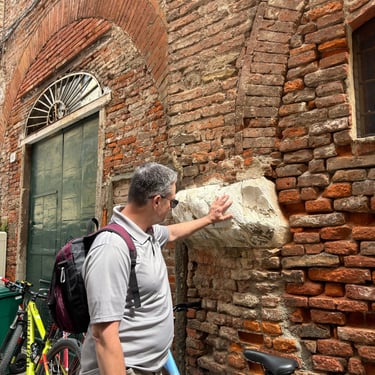
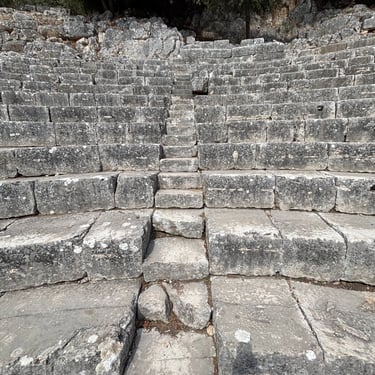
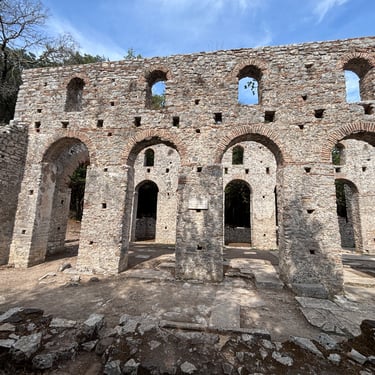
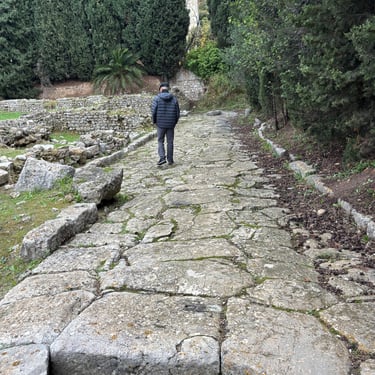
A path in the forest does not just appear. The stones of a walkway are not necessarily created by weather. People put them there. Which people laid the stones? Who walked on them before us? Like alley cats, we wander the streets and corridors of ancient towns and see the different materials that were used across time and location. We marvel at the various types of pebbles and cobblestones and concrete used by man to create walking paths. Over time, those paths were adapted for more people, horses, carriages, and cars. Sometimes, the paths are even suspended above famous canals. Who walked these stone paths before us?
Our journey has already taken us along paths that carried Julius Caesar (56BC), down lanes taken by William the Conquerer (1040AD), and over the stones leading up to Ben Franklin's home in Philadelphia (1770 BC). What brilliant ideas did they have while walking or riding across those stones?
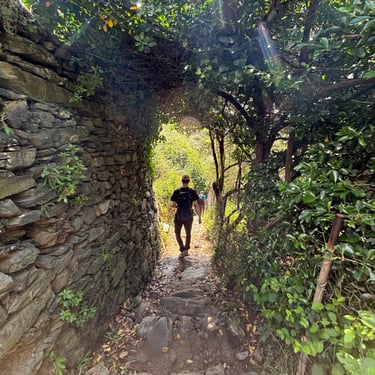
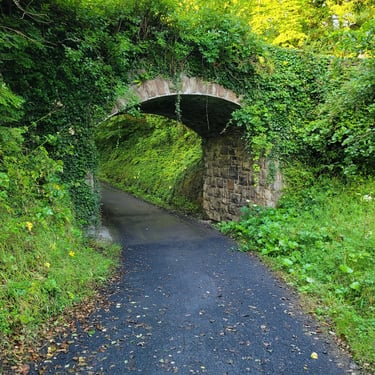
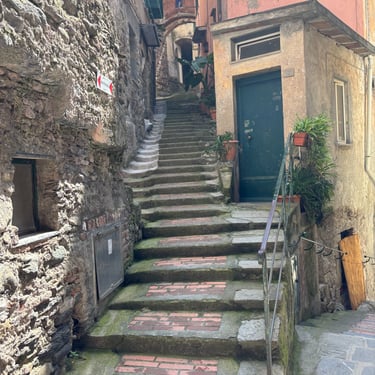
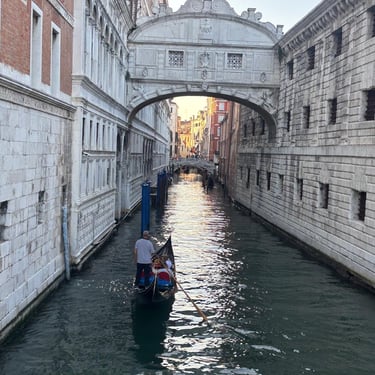
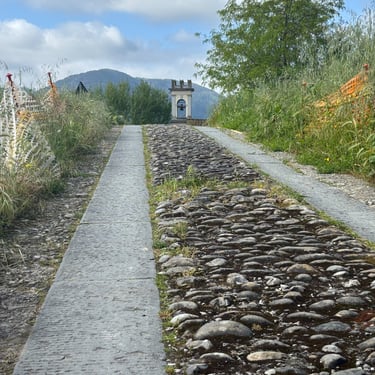
We are glad you're here, following our journey as we ask questions and find information for other seekers. May you grow alongside us like vines upon stone. Here's to a beautiful climb!
~Shannon & Greg
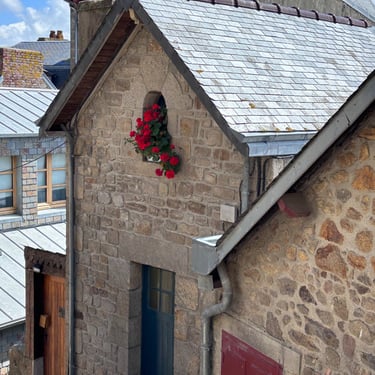
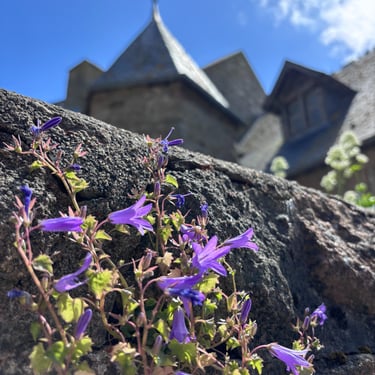
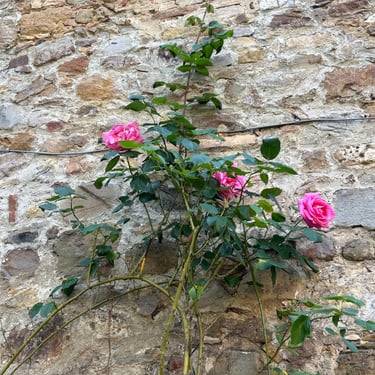
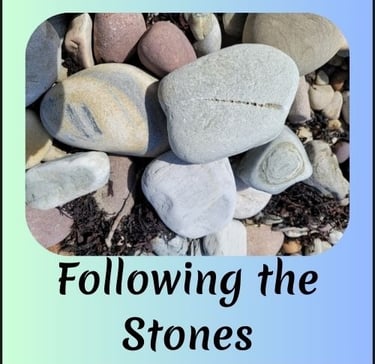
Look carefully at our logo. We found these stones on a pebble beach in Ireland. Now look closely at the fossils in them. What made those fossils? How long have they been there?
They say "All roads lead to Rome". Well, so does the city planning. Aqueducts, heating systems, and sewers were originally designed by the Romans. They were the original engineers and made huge advances in infrastructure all across the world. Their work was brilliant from latrines to spas. We've seen and touched some of the very stones used in this remarkable infrastructure.
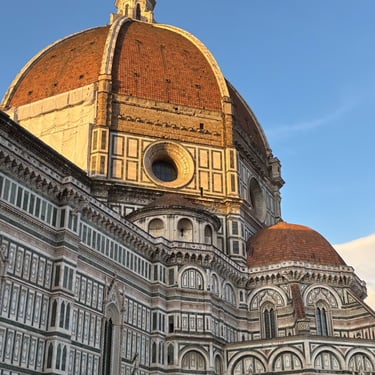
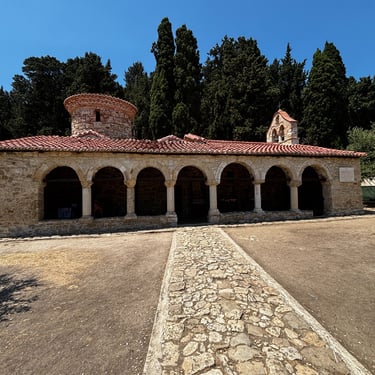
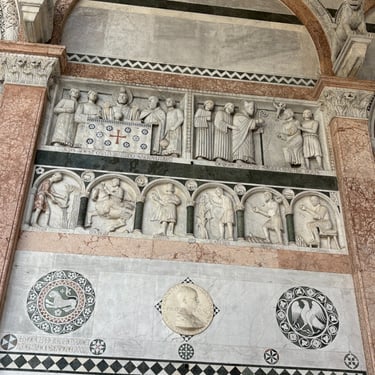
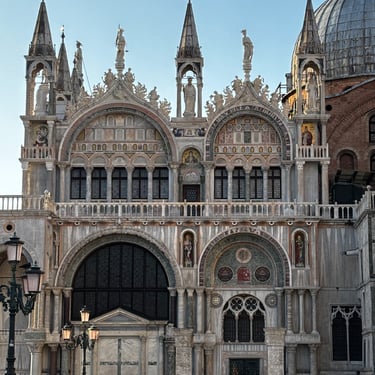
As the church bells echo daily in towns filled with stones, we pause. These are the same church bells that rang 100, 500, or even 1000 years ago. Churches, abbeys, mosques, and cathedrals, especially the gothic cathedrals were absolute works of art. From the carvings in the stone to the painted frescos the details tell stories of the past and sometimes the future.
Who were the stonemasons that produced some of these remarkable stone structures and the artwork embedded within?
Were they craftsmen, tradesmen, volunteers or slaves?
How many different craftsmen worked on each pillar because the artwork is all different?
What were their thoughts on that day and what was that moment like?
When we touch these stones, we feel the vibrations of their energy still encased within.
We believe that in some way we can reach back in time and feel the souls of the artistic creators. In a way we are telling them "You are still seen" though it has been hundreds or thousands of years.
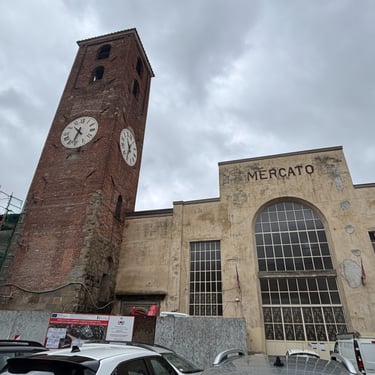
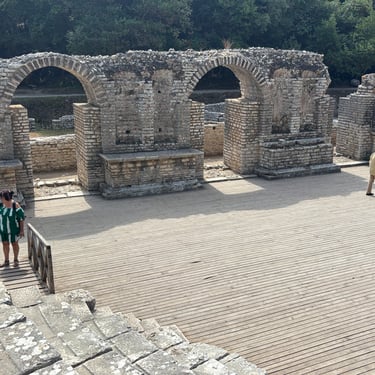
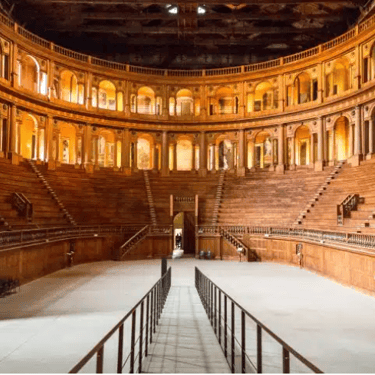
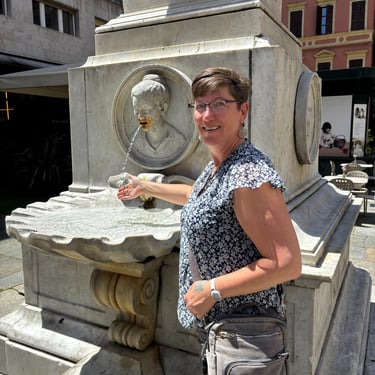
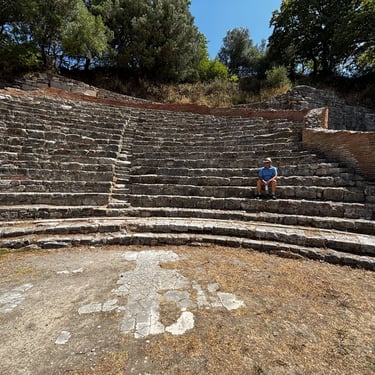
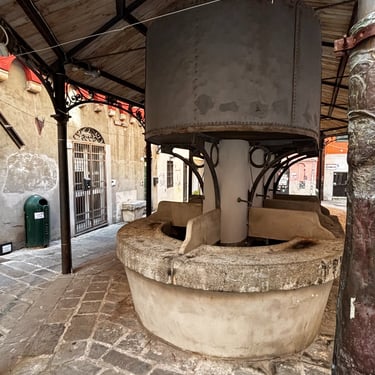
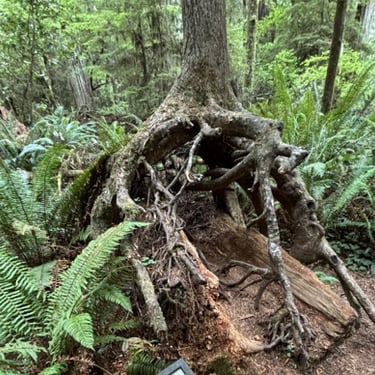
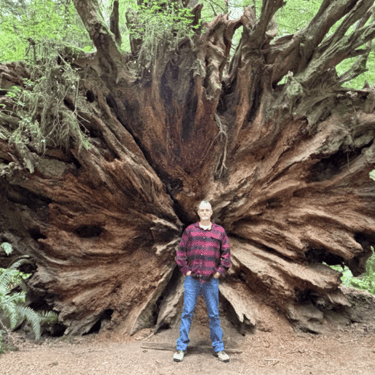
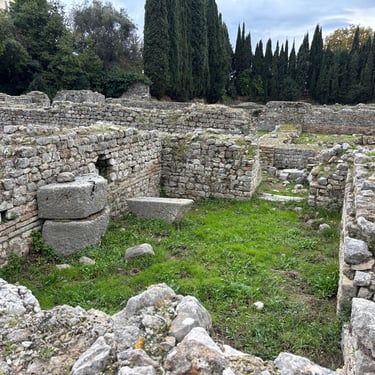
Like the roots of a tree, stones were the foundational blocks of our ancestors. Sometimes the stone foundations seem haphazard in their placement, one on top of another, gingerly, at odd angles. Other times the foundations are cut so carefully a piece of paper could not slip through. Through storms and wars, fires and floods these building foundations stand strong. If you look back in your family tree, you can see the haphazard and perfection of your ancestors. As we travel through cities looking at the foundations of buildings, we are often awestruck that the foundations have been as resilient as mankind.
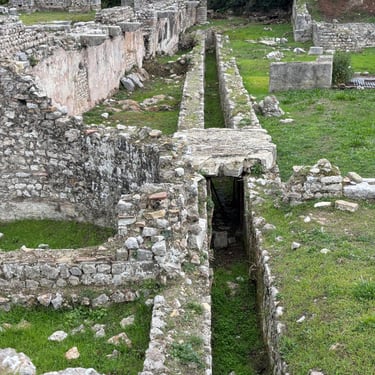
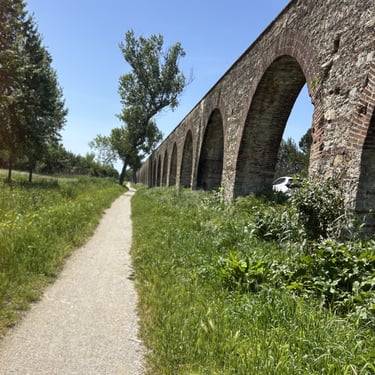
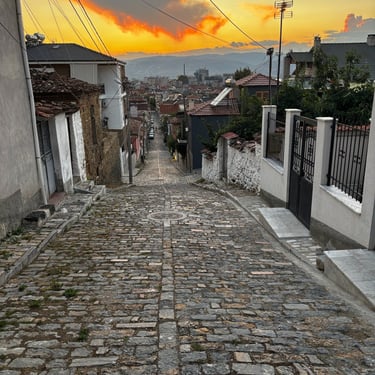
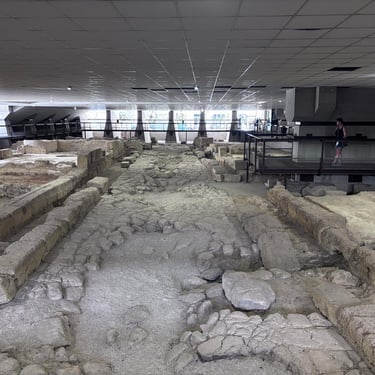
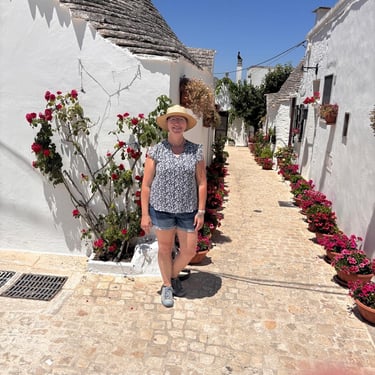
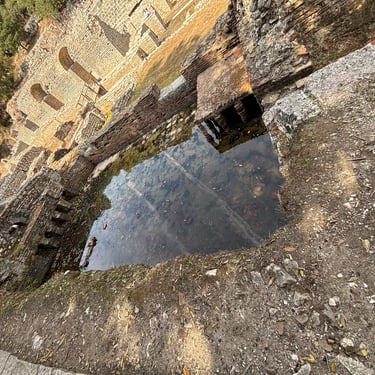
Hear ye! Hear ye! We hear the echoes reverberating off the walls, floors, and sometime ceilings. Amphitheaters, market stalls, and forums were, above all else, the social hubs of the people. They were the gathering places where people collected the daily news, the political lies, and the dramatic theater.
Close your eyes around these stones and you can still hear it. The craftsmen yelling out to hock their wares. The blacksmith tools clanging. The horses, cows, donkeys and dogs vying for attention. Children laughing. Women gossiping. Men pontificating. The sounds of people are still alive in these stones.
Throughout our travels, we've touched the giant stone tabletops used to cut meat during market time, the iron rod on the wall to measure fabric in equal lengths, and the stones where wheat was milled into flour. We've stood in several amphitheaters preserved to varying degrees and heard the ghosts of people spreading laughter, hate, or calls of justice. We've felt the drums of war and appeals of peace in every stone.
THIS IS WHY we follow the stones. This is why we listen to the history. From the heartbeat of the stones themselves to the souls of our ancestors, we are learning more about the struggles of mankind in hope we can shift their struggles in the future.