Coastal Castles in Portugal
Feel like a princess or guard like a knight when you wander the castles that dot the landscape of Portugal’s southern and eastern borders.
TRAVEL
Colonization dates to the beginning of mankind. World history is infused with stories of good and evil as one leader dominated power over another. The Algarve region in the south of Portugal has castles and fortresses that bring these history lessons alive.
The southern strip of Portugal from the tip of Cabo de São Vicente to Vila Real de Santo António was prime real estate for centuries as it jutted out into the Atlantic Ocean in what was dubbed the “edge of the world”. The Phoenicians established bases there originally, but the infamous Romans conquered it next. The Visigoths then ruled the region until the 8th century when the Moors conquered them and ruled for five more centuries. The area was taken into the Portuguese kingdom on 1189. Today, travelers can marvel at the fortress and castle remnants of these historical rulers. The links below can help you plan your visit.
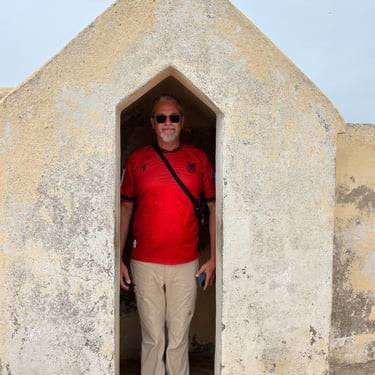
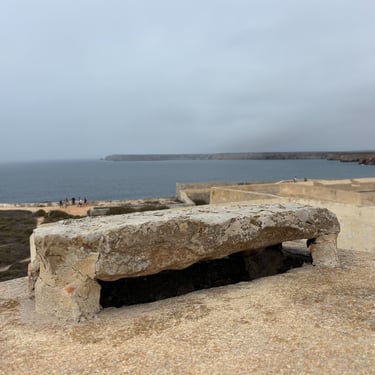
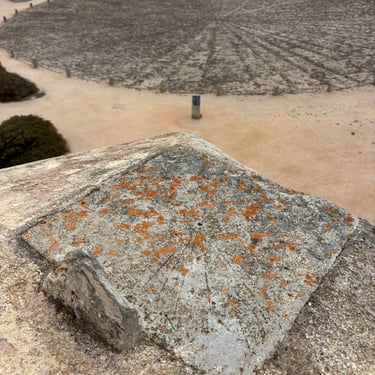
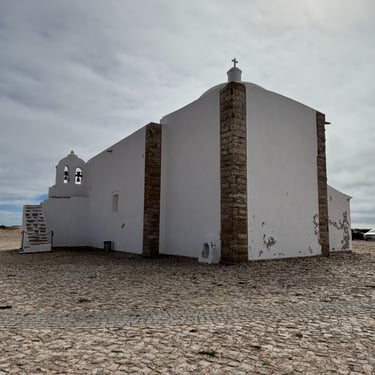
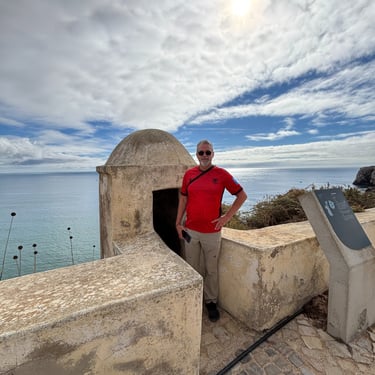
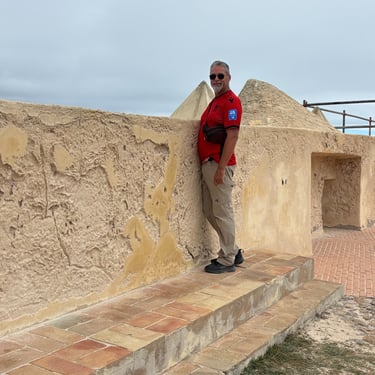
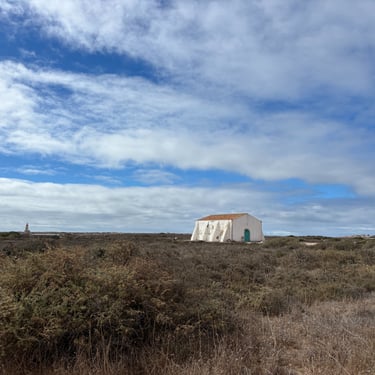
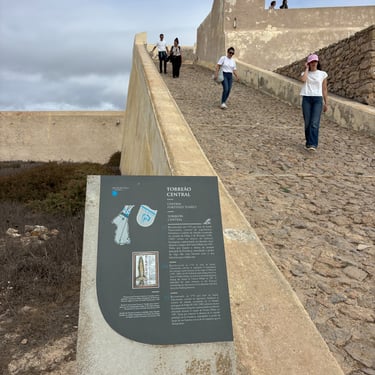
Fortress of Sagres: Where the ocean meets land, the Fortress of Sagres stands impressively at the edge of the westernmost cliffs in Europe. Built originally in 1443 by Henry the Navigator, it was damaged like so much of Portugal in the 1755 earthquake and tsunami. With rebuilding in the 18th century and significant remodeling in the 1960s, 1990s, and 2010, there is very little of the original castle. But the rebuild gives visitors the sense of genuine leadership and military presence to imagine times gone by at the edge of the world. Now one of the most visited landmarks in Portugal, this castle/fortress is well worth your time when you visit the Algarve region.
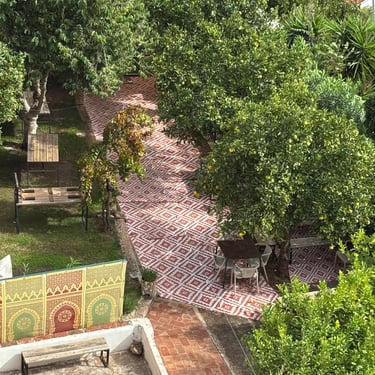
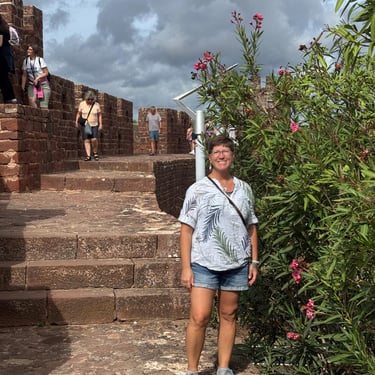
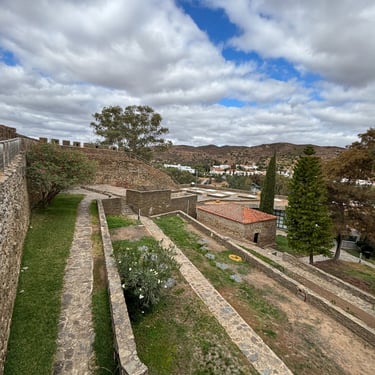
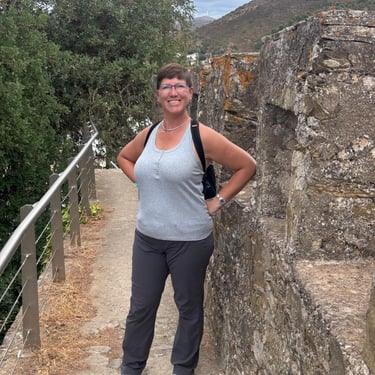
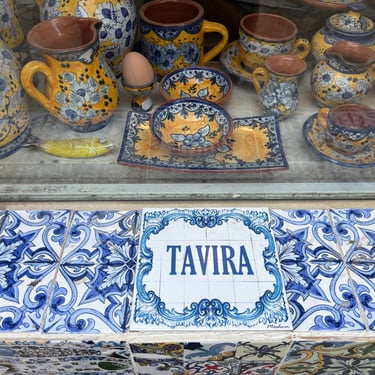
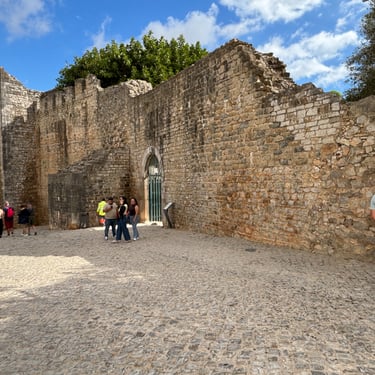
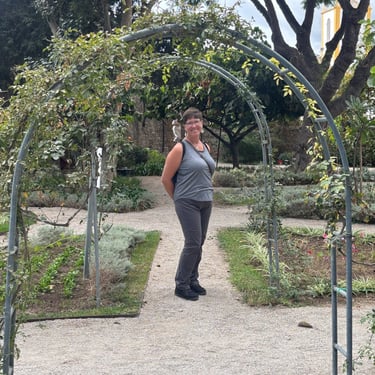
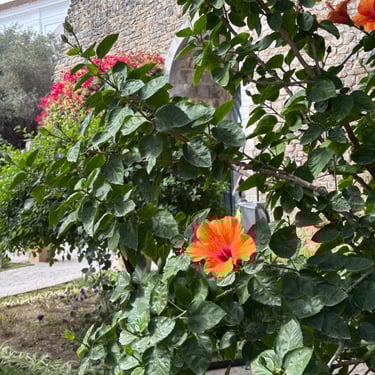
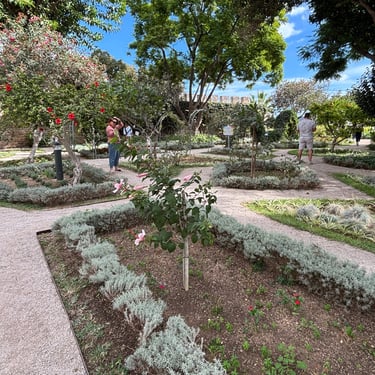
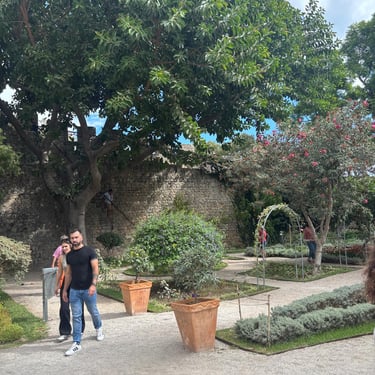
Castle of Tavira: The early history of this castle and the town of Tavira tracks with the power struggles described above from the Phoenician to the Romans to the Moors. During medieval times from the 11th century to the 18th century, the castle changed hands many times with several alterations to the architectural structures. Like with Sagres, the 1755 earthquake significantly damaged the castle and defensive walls. However, the remaining castle walls were declared a National Monument in 1939, and the castle itself was designated a National Monument in 2014. Today, you can smell the flowers in the garden, climb the stone steps to walk along the remaining castle walls, and look out over the beautiful town of Tavira.
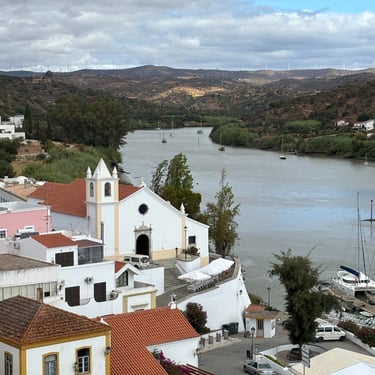
Castle of Alcoutim: Alcoutim is a town 30 miles north of the Atlantic Ocean on the Rio Guadiana. Defensive structures were common there during the Islamic period of domination. The “Old Alcoutim Castle” was built between the 8th and 9th centuries to control merchant traffic along the river. It was abandoned during the 11th century.
Under the rule of King Manuel I of Portugal the “new” castle/fortress was built as a defensive site in the 13th century. Being on the border with Spain, Alcoutim was prime real estate to defend against invading forces. The Alcoutim Castle played pivotal roles in history during the territorial conflict in the14th century and in the Portuguese Restoration War of the 17th century. It remained in military use until 1878.
The castle began revitalization in 1992 with archeological surveys and restorations. This work continues in the town today. In 2016 the Alcoutim Castle was designated as part of the “Umayyad Route” demonstrating the conquests of the Arab Umayyad Dynasty (711 to 1031 A.D.). This route intertwines seven Mediterranean countries (Italy, Tunisia, Egypt, Lebanon, Spain (Andalusia), and Portugal (Algarve).
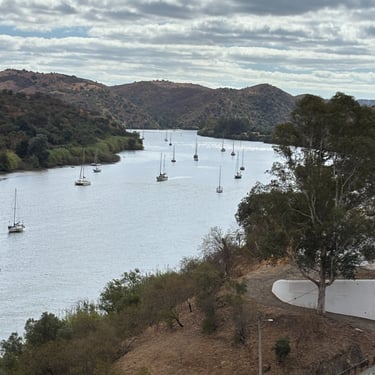
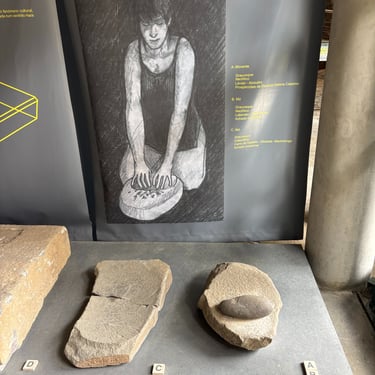
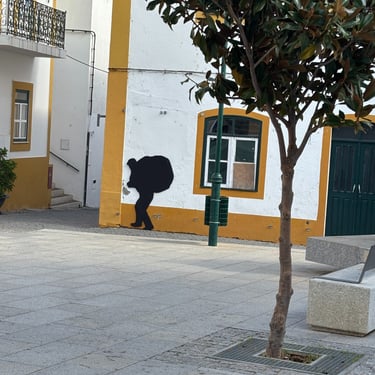
Today, the town of Alcoutim is a darling place to visit in the Mediterranean along a river instead of the ocean. With tours of the old castle ruins and new castle, visitors can feel the power this little town has in history, but they can also hear stories of smugglers too. Upon the castle walls visitors get amazing views of the river and they can visit the Archeology Museum Center which houses amazing historical artifacts and archeological finds.
When you visit the Algarve region of Portugal, be sure to visit a castle or two. Even though they have been recreated in many places, they are still a great reflection of the history and migration of people so long ago.
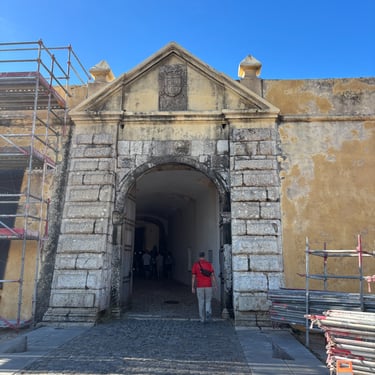


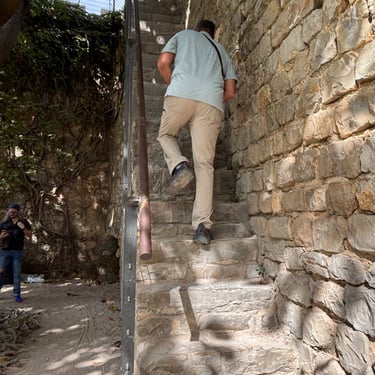
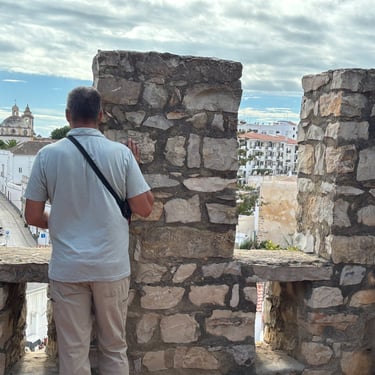
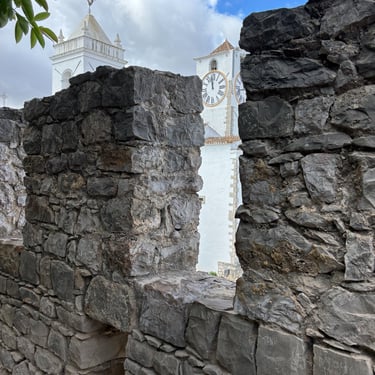
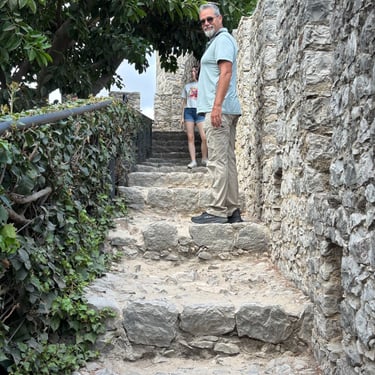
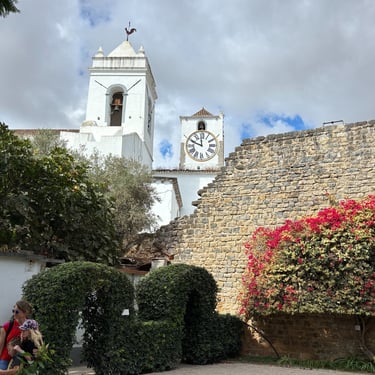
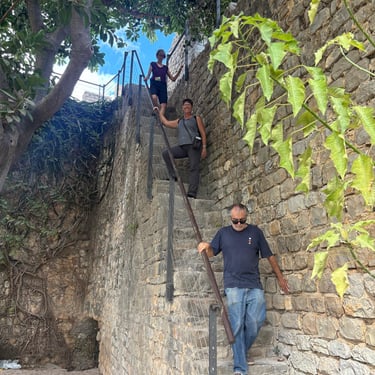
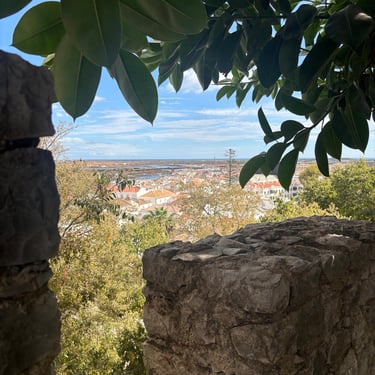
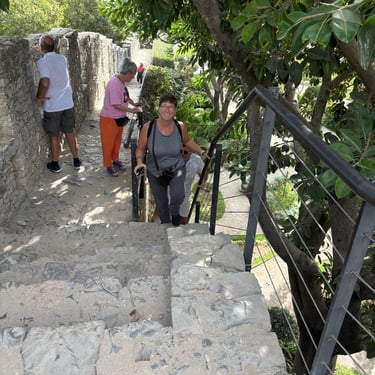
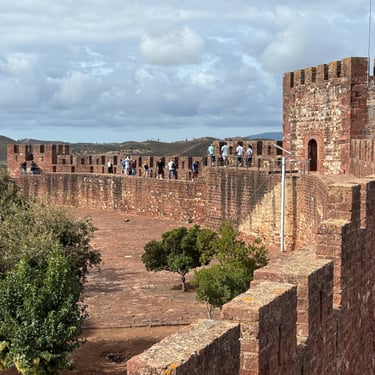
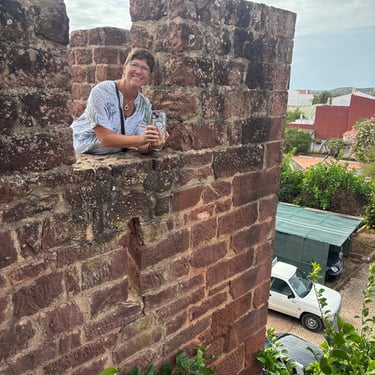
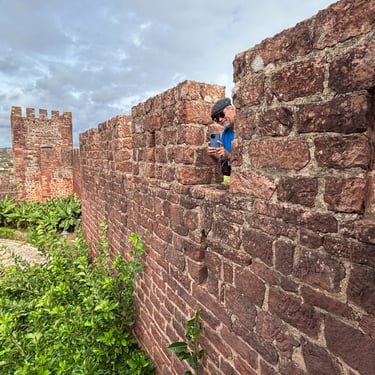
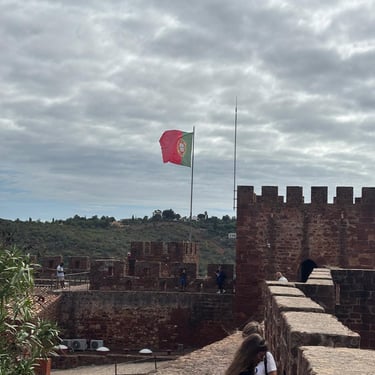
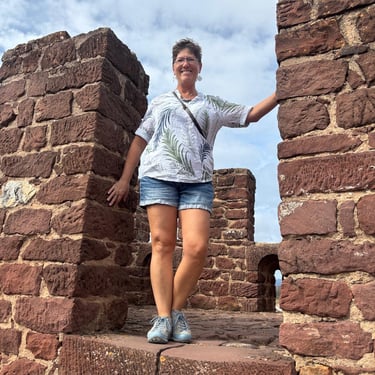
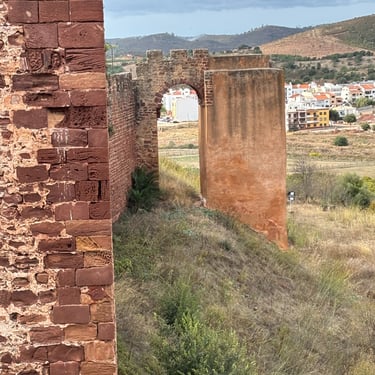
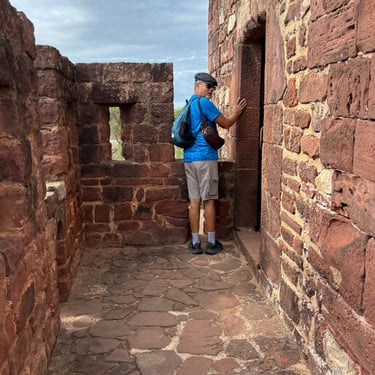
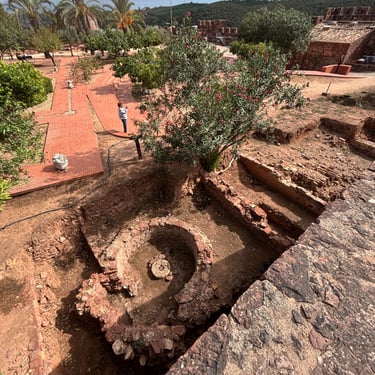
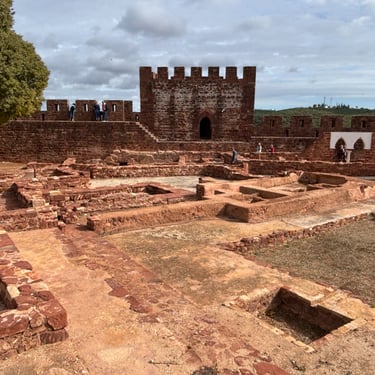
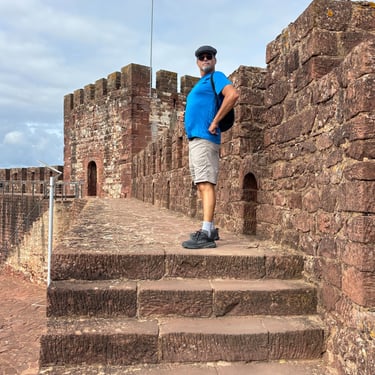
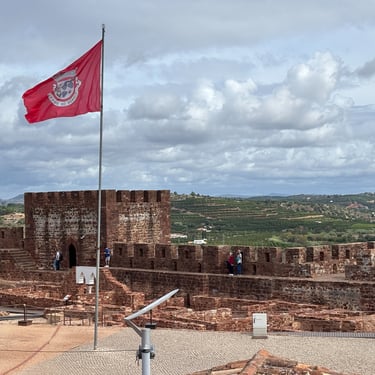
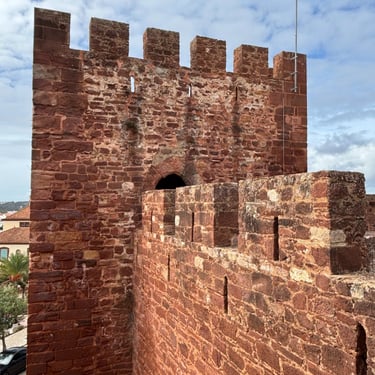
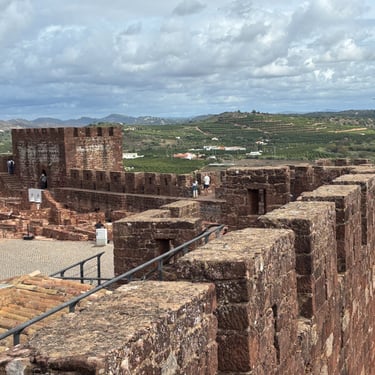
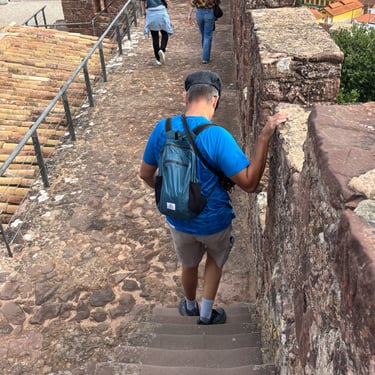
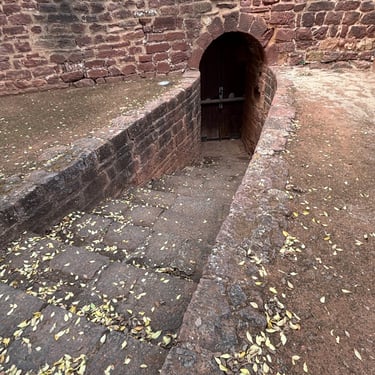
The Castle of Silves: The first fortifications on the hill above the city were of Roman origin, but a conquest by the Moors in the 8th-10th century started the castle we see today. Significant alterations were made to the castle in the 14th and 15th centuries which included the addition of several towers, vaulted ceilings and gothic doors. What makes this castle unique compared to the others in the area are the gigantic rectangular cisterns that supplied water to a significant part of the city in the 13th century. The Castle of Silves, like others was damaged by the 1755 earthquake, but in 1910 it was classified as a national monument in 1910 with restoration work form the 1940s to 2009. Today this castle is the largest listed here and most complete. It even has an archaeological site within from the Almohad period (1121 – 1269) period which is believed to be a Palace, once used by high Muslim dignitaries. If you want to feel like ancient royalty, then walk the walls, revere the views of the town, admire the inside of the cisterns, find out about the legends, and visit the archeological museum. If you visit Portugal in August, Silves hosts a Medieval Festival.