How To Get Medications While Traveling
If you travel prepared, getting prescriptions filled abroad can be easy.
TRAVEL
Pharmacy, Farmacia, Farmaci, Pharmacie, Gyogyszertar…
So what happens when you have necessary medications and you travel outside the U.S.? Can you take them along? What quantity is allowed? Is there a certain way they must be packed, and do I have to declare them at Customs? How will I even find a pharmacy overseas? Will they take my prescription from my private U.S. doctor?
Those are legitimate questions when traveling outside the United States and whatever your country of Citizenship may be. I will do my best to alleviate your worries with our own experiences and research. Relax. It’s extremely simple and affordable.
Always carry medications in their original packaging. I personally remove them from their bulky boxes and only carry them in their original bubble packages, so long as the medication name and dose are on them. This seems to be a frequent traveler norm and not specifically mentioned anywhere else.
Bring a copy of your prescription from your home provider with the reason the medication is necessary. If narcotics, sedatives or psychotropic meds, it may be specifically necessary to have a letter stating why. Consult with the Ministry of Health, Department of Health or whatever entity governs that particular nation / destination for specifics. We always travel with a handwritten ORIGINAL from our physicians in a document binder. Many countries will accept copies, and in Albania they will literally take your word and the empty box or label from a previous package, so long as it isn’t a controlled item like narcotics.
Transport your meds in your personal or carry-on luggage in case your large suitcase gets lost or separated from you during flight exchange. We keep ours in Ziplock bags as well for easier identification and organization or to protect them if it rains on travel days. I personally carry a single day supply on me in case there is a travel delay while out exploring. Like many other folks, I can’t miss a dose of certain medications or even delay them by very long.
When going through airport security, inform officers of any liquid medications as they are allowed in higher amounts than regular liquids when flying.
Before traveling research multiple sources regarding all the above rules as “answers may vary”. For example, from our research, TSA says there are no restrictions on quantity of medication. Italy specifically sites: You may bring a “Reasonable Quantity” which seems to be interpreted as “generally considered to be” 90 days’ worth. We have chosen to keep our limit to the 90-day amount. Why worry about a customs issue or having to toss out anything over the limit? If you aren’t traveling for extended periods, the amount may not be a concern for you. I would advise however, that you take a couple of extra weeks worth of medications with you regardless, just in case you get delayed somewhere. THAT could be a major issue if you had only planned on a 15-day vacation and needed 21-days!
Guidelines from TSA and the State Department are where I started. Even so, I dug further after double-checking travel group forums and watching YouTube videos. There is often a difference between what you read from the U.S. government or TSA and what foreign governments advise and potentially allow. No worries. Err on the side of caution, or use the more conservative guidance. I will start with general guidelines and give examples as appropriate.
All governments and entities I read and follow say this:
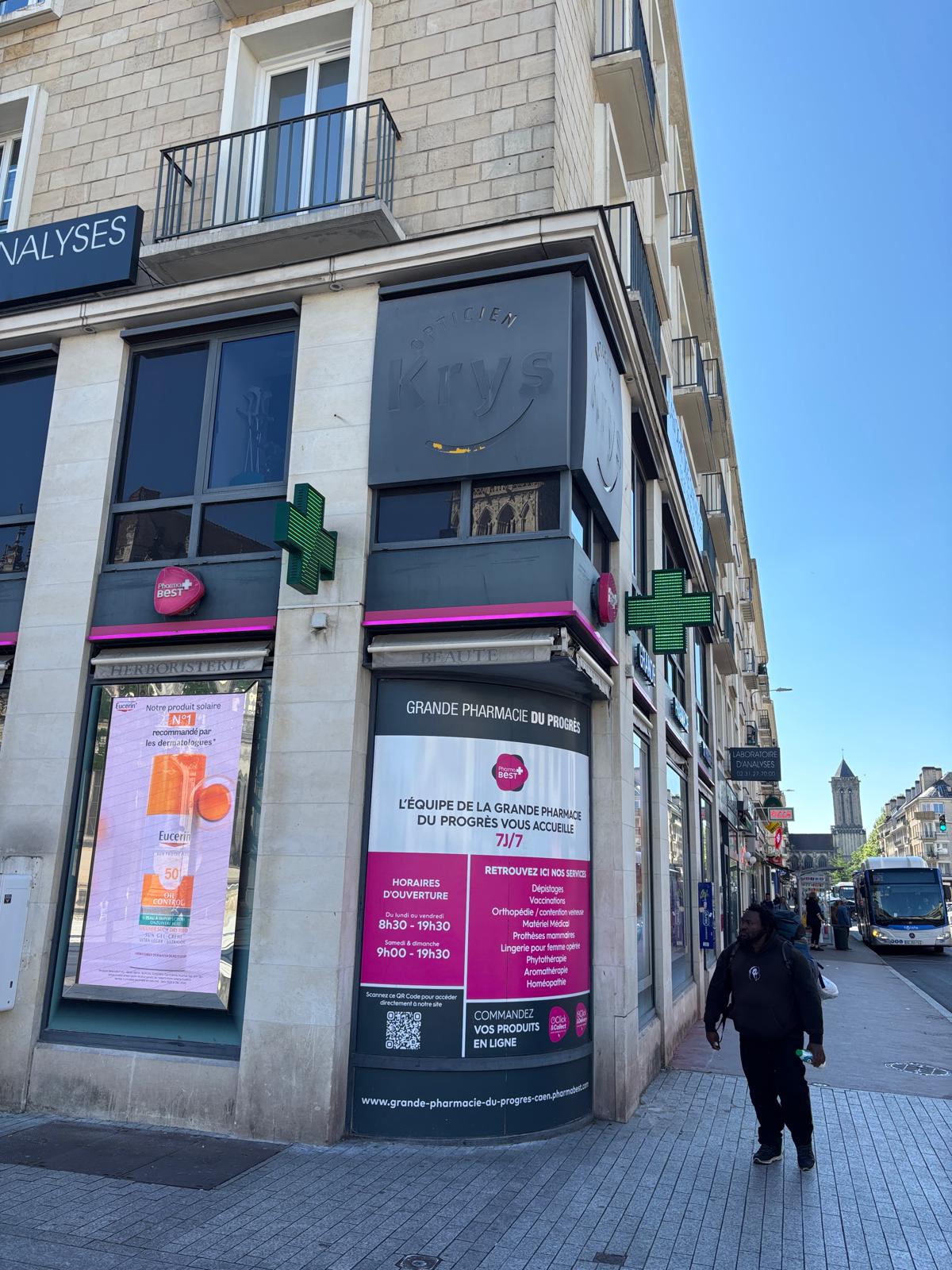
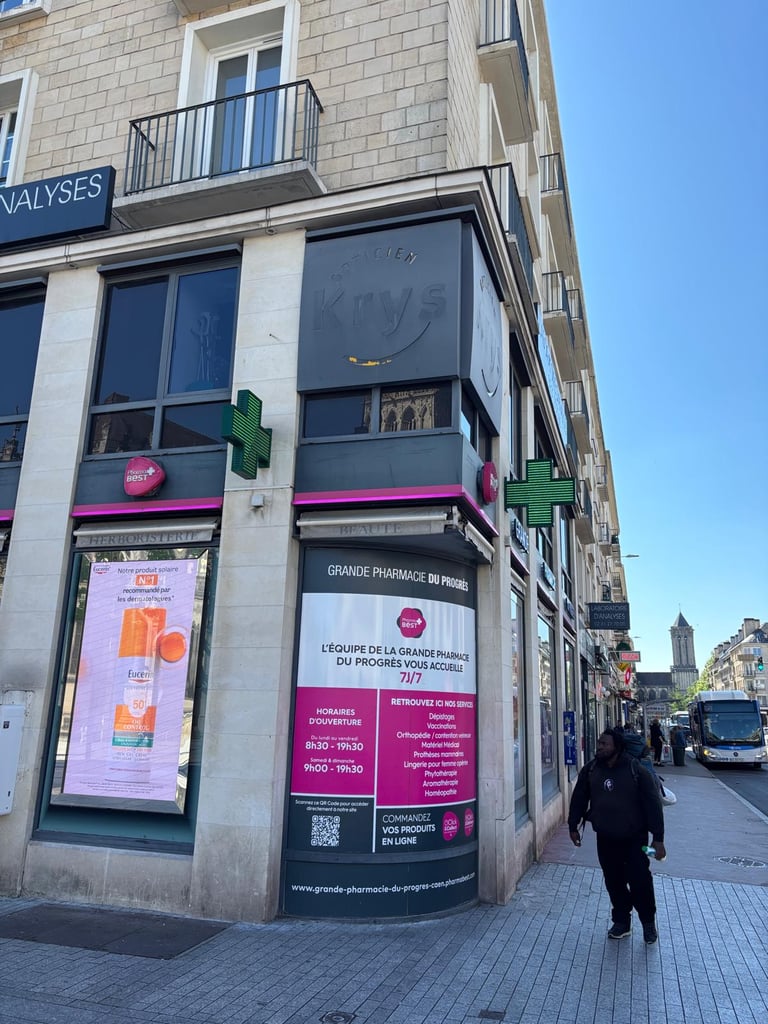
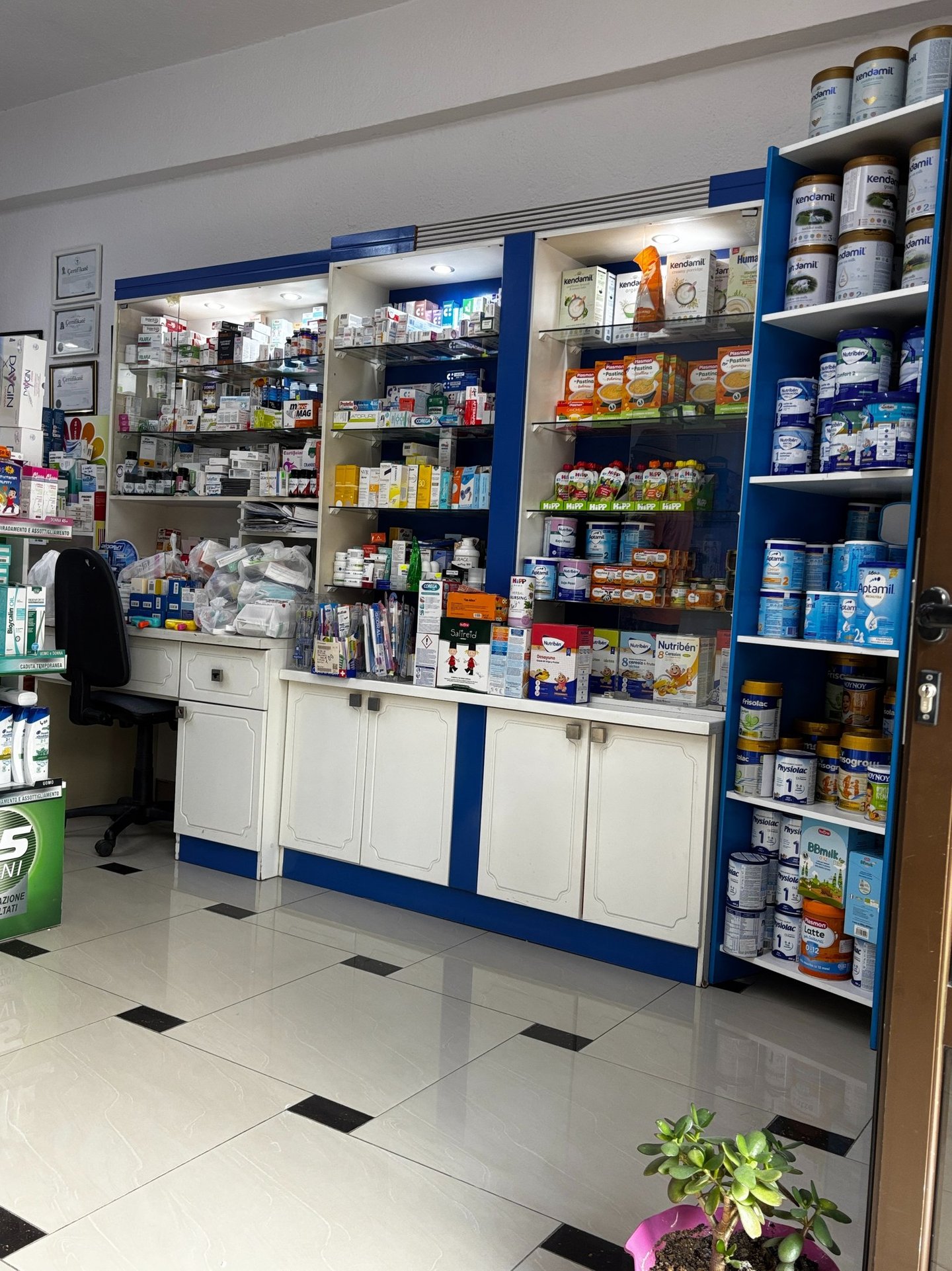
Finding a pharmacy, so far, in every country we have visited has been simple. First off, we have smart phones. Secondly, they seem to universally (so far) have a Green Cross sign somewhere outside each pharmacy.
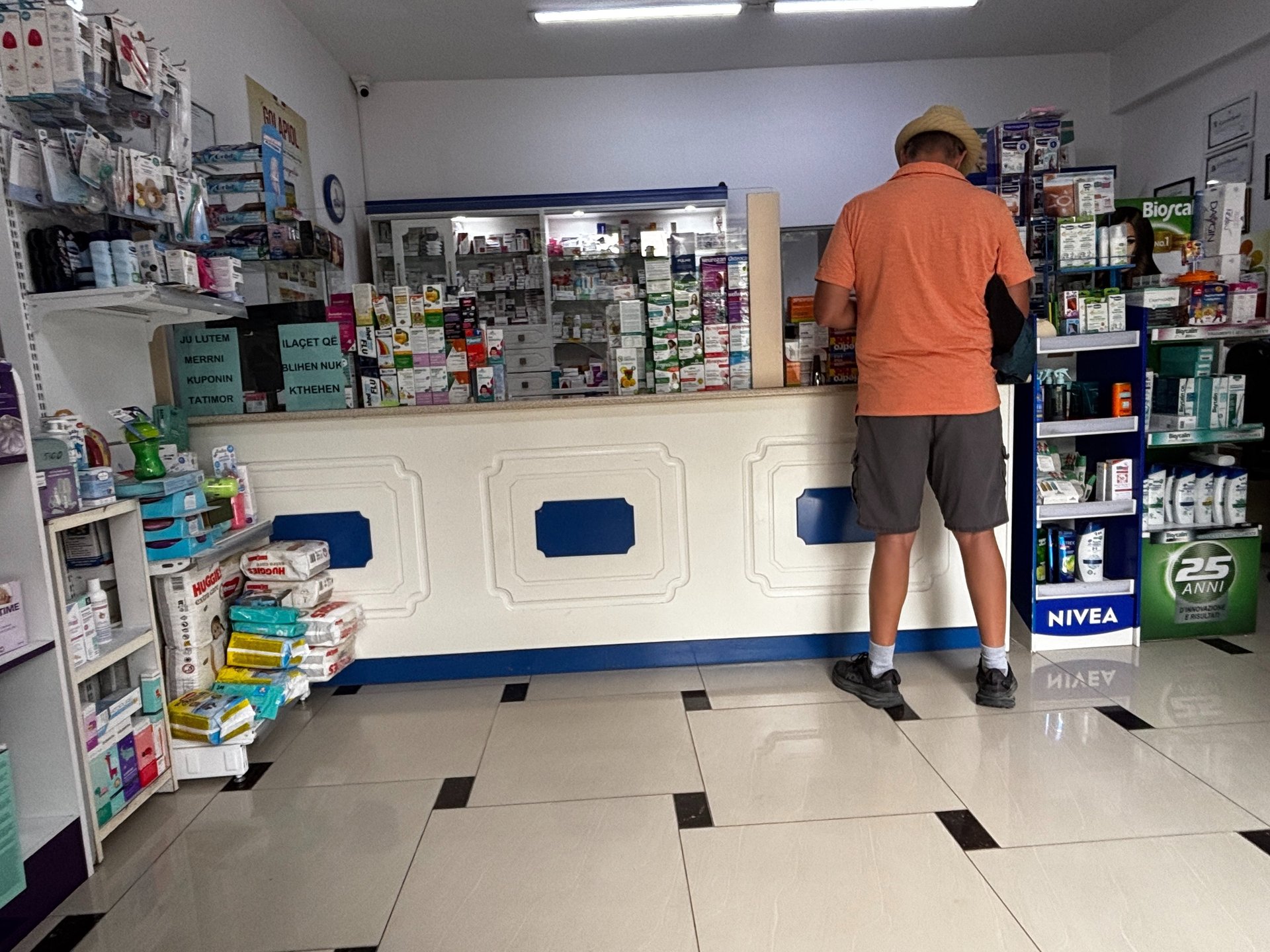
How intimidating is it? The first couple of times were anxiety producing. Now it’s like going to the corner store. Twice in Italy. Once in Portugal. Twice in Albania. Once in France. I wait my turn in line, I give an appropriate greeting and ask (In their native language) if they speak English. Regardless of the response, I then hand them my prescription. I always have my phone on and ready with the translator APP set to their language. I have never had to use it. Fingers for numbers, smiles, head nods and patience go a long way.
As part of the process, the pharmacists scan my ID sometimes and scan the prescriptions most times. They have always been polite professionals, and they are always extremely eager to help. So much so that in Albania I had to make certain she was not giving me the last few boxes of their blood pressure medication on the shelf. The quantities in each box in Albania were much less than anywhere else, so the number of total boxes was surprising and our experience with Albanian generosity made me fear she was giving me their entire supply just to be kind. She was spot on and assured me they had plenty more too.
There have been a couple of instances where my Lisinopril was not available, but the national generic equivalent was. Zestril in France this last time was the most recent substitution. The pharmacist asked if I was willing to accept, and as I had previously researched generic names for all our medications, I was familiar with that name and so accepted them. That’s a bonus tip for the long-term traveler.
Price? I can’t do a direct comparison to the U.S. since Shannon and I have insurance coverage there. Out of pocket abroad has been between $50-$85 for a 3-month supply of the same three medications each time. I am merely assuming that it would be much more out of pocket in the States.
So, travel with your medications without fear, my friends. A little time in preparation makes even highly regulated tasks as simple as ordering a pizza in another language and hoping it doesn’t come with anchovies.
In Europe pharmacies are marked with green plus signs on the buildings.