Oregon Ghosts and Nature Walks
Sometimes you have to slow down to hear the birds and ghosts.
TRAVEL
For decades we’ve traveled up and down the I5 corridor running from Canada to Mexico parallel to the Pacific Ocean. Usually, we drive the route quickly with the destination in mind. Quick, run into the truck stop to pee and grab a snack. Go, go, go to get to our destination because we only have a week of vacation time.
During the Easter weekend 2026, we had a chance to visit family in Southern Oregon and the weather was superb. Wanting to enjoy the spring weather, we decided to explore the local area from a natural and historical perspective.
But Coyote Creek, like many other rivers had inconsistent water flow which made year-round mining difficult. The Ruble family invented the Ruble rock elevator to move heavy boulders in flat, shallow gravel beds where other methods failed.
The town of Golden busted apart between 1914-1967 as people moved onward to live in bigger cities. Located at 42° 40.92′ N, 123° 19.872′ W. Golden can be visited near Wolf Creek, Oregon, in Josephine County. The 1892 Campbellite church and 1904 general store are now preserved as National Historic Places. The site is currently maintained by Oregon Parks and Recreation Department, offering self-guided tours of preserved historic buildings. See videos and more information at Golden, Oregon Ghost Town
The town of Golden which sits alongside Coyote Creek was a mining town established in 1890. In its pre-settlement time (1850-1877) Chinese miners worked the land. In 1878 William Ruble Sr. purchased the claims and started a town. Golden had a boom era from 1878-1913 with a post office, church, school, and general store with a population of 200 residents. Unlike other boom towns, this one operated without saloons or brothels, emphasizing family values.
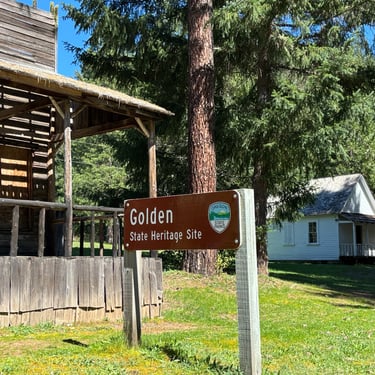
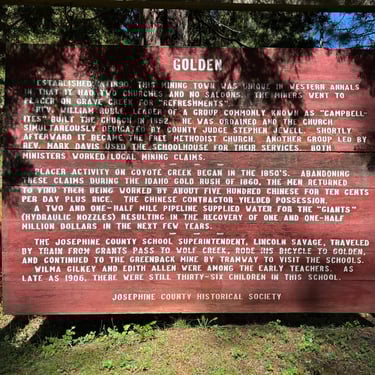
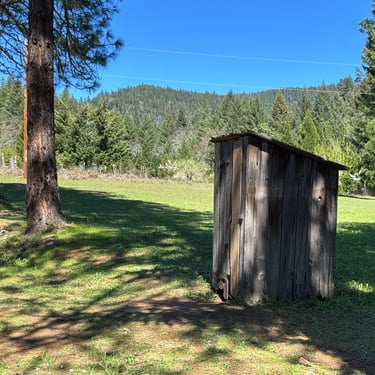
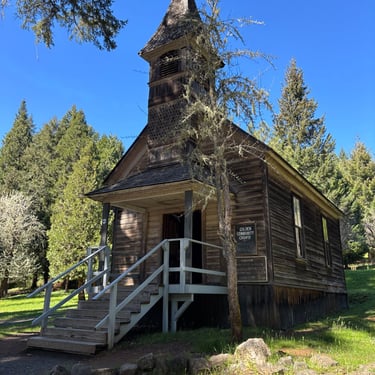
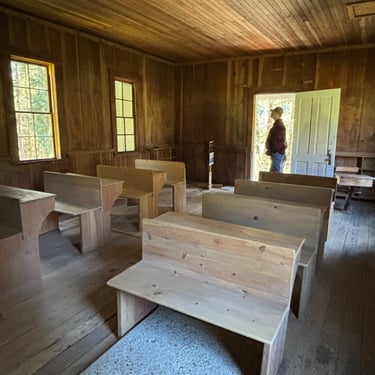
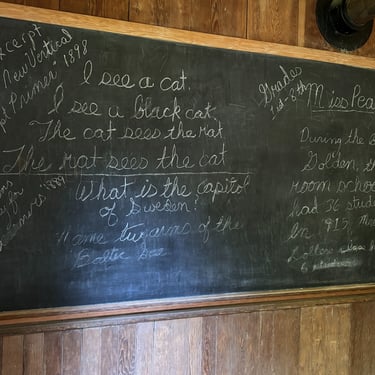
A Golden Ghost Town
Slow Down, Absorb Nature
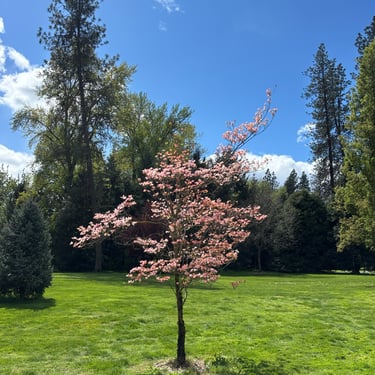
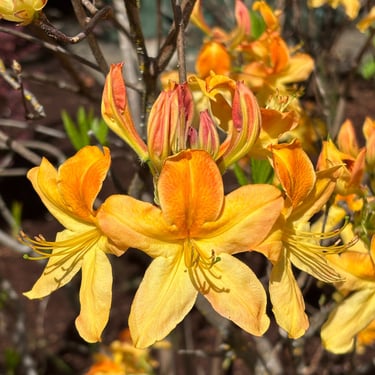
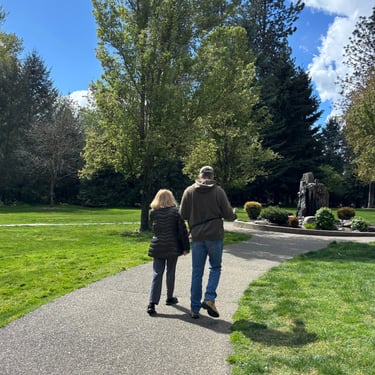
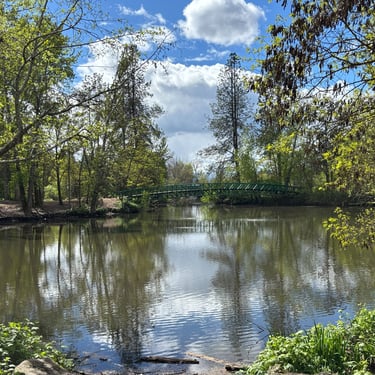
City parks can be amazing spaces. Reinhart Volunteer Park, near Grants Pass, Oregon had wonderful walking trails, bridges, baseball and soccer fields, basketball and tennis courts, batting cages, covered shelters, fishing and fly-casting ponds, pickleball and volleyball courts, horseshoe pits, and playgrounds. Visiting in spring when the flowers and trees were blossoming made for a refreshing day after being home during the winter weather.