Caen: A Normandy Anchor
Visiting Normandy should be on everyone's bucket list. While most people stay in Bayeux, we chose to stay in Caen.
FRANCE
Description: Caen is located in Northern France in the region of Normandy. Specifically, it is the capital of the administrative department of Calvados. It is approximately 200km or 120 miles Northwest of Paris with a population estimation of 101,000 – 111,000 per my web search. Caen is also near all the D-Day Landing beaches, which is one of the main reasons we chose it.
Caen is accessible by plane with its own international airport. It also is connected via France’s extensive rail network and bus lines. We chose to take the Flix Bus from Paris to Caen on our arrival. The bus was very clean, newer model, and on time. It also had a restroom, though neither of us used it.
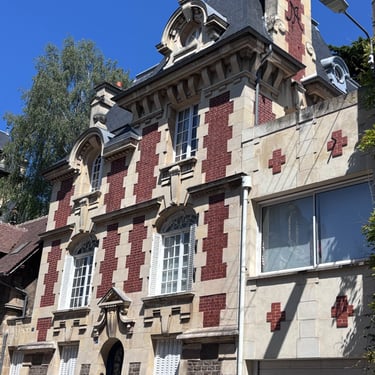
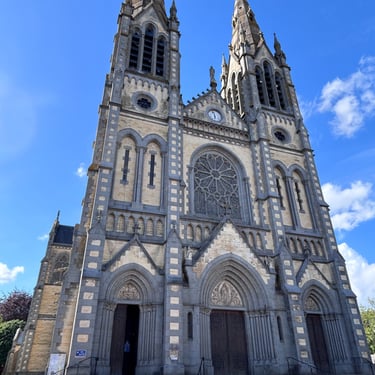
Having been heavily destroyed during World War 2, (estimated at over 30%), there is a mix of more modern and much older architecture. The most prominent structure being the Chateau de Caen. The fortress was built for William the Conqueror beginning in the year 1066. There are also abbeys, churches and cathedrals dating back from that same period forward to the medieval period. King William and his queen Mathilda are both buried in separate abbeys within Caen.
Caen is a city with modern amenities that we found made it extremely livable. A major university, a large hospital and a very well connected and maintained transportation system. The city is mostly flat, with extremely well-maintained roads and sidewalks making it easy to get around for those with mobility issues. There are city buses and trams that operate very reliably and their routes extend well outside of the city itself, to the nearby beaches in some cases. We used both the bus and the trams without issues.
Number of days visited: 22 nights (May 2026)
Analyzed Costs: How much did we spend? Our starting point for traveling to Caen was Newark Airport. We each paid $56 plus 22,500 points to fly from Newark to Paris. Then we had ground transport cost from Paris to Caen via Flixbus and tram for $47.00. This portion will look different depending on your point of origin and transportation methods. Additional transportation costs within the city included bus, tram, train, and a 3-day car rental.
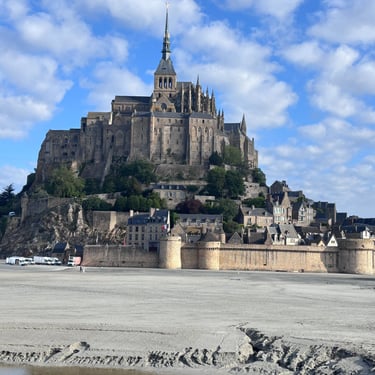
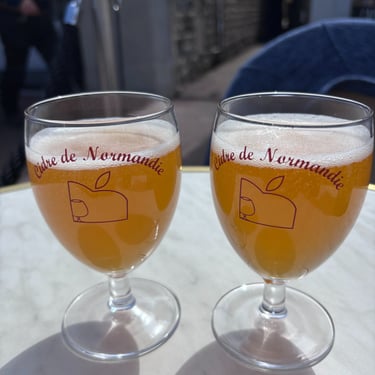
We are foodies! So, we eat some meals out (grab and go meals, farmers markets, and sit-down restaurants), but I cook a lot too. Throughout the Normandy region we enjoyed cider and cheese tastings. Our entertainment in Caen and the Normandy region included an 8-hour small-group tour of the D-Day beaches and memorials, a visit to the Mont Saint Michel Abbaye, and some museums. Finally, Greg bought 3-months of medication listed in the medical section.
Caen, France


Best Time to visit: With its western proximity to the Atlantic Ocean, the weather in Normandy and Caen is very similar to Western Washington. Much of it is cool, coastal, windy, and wet, but summer months are windy, dry, and sunny. Summer is, of course, peak season in this area. The “shoulder seasons” (Spring and Fall) just before and just after summer are a lovely time to visit Normandy with the best weather and fewest crowds. Fall in this region has the wonderful apple crop harvests since they are one of the largest apple and pear cider producers.
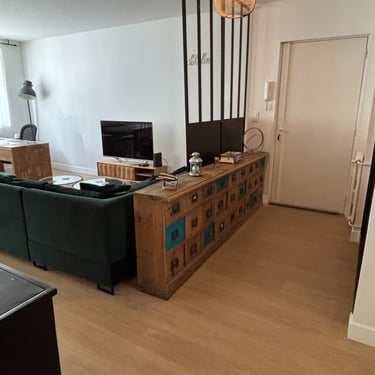
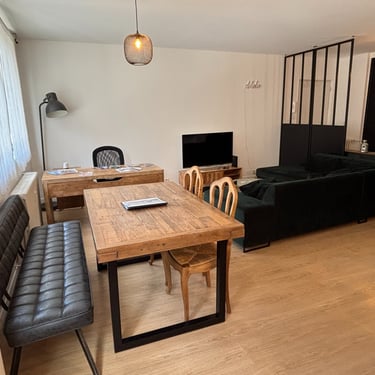
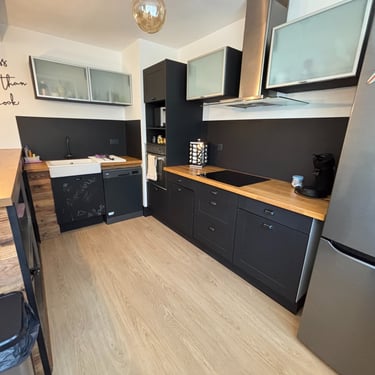
Accommodation: The apartment we rented on Airbnb was perfectly situated and perfectly sized for two people. The Chateau de Caen and Eglise Saint-Pierre were a mere 10-minute walk on flat well-maintained sidewalks. The tram and bus stations were located at the base of the building for travel away from the city center. Within two blocks we were able to enjoy, the Sunday market at the marina, 3-grocery stores, a butcher, a fromagerie, a produce stand, and a patisserie.
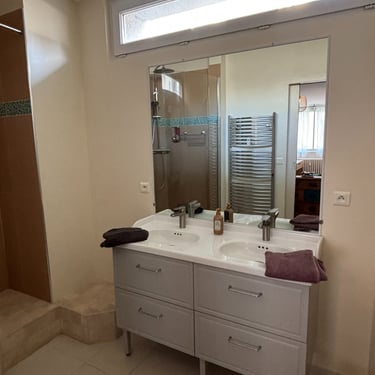
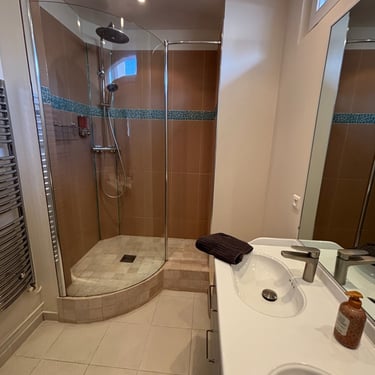
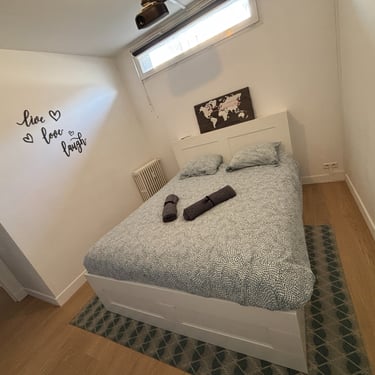
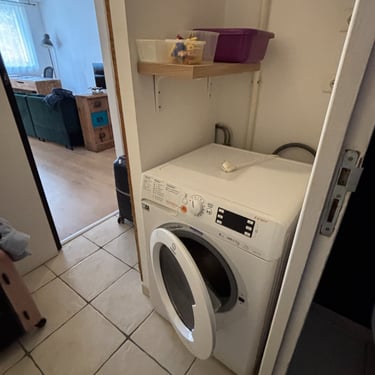
Popular Activities: Though some people visit Normandy as a day trip from Paris, most people vacation in this region for less than a week. It is most common for people to stay in the town of Bayeux which caters heavily to tourists. We chose to stay in Caen for several reasons. First, it was cheaper. Second, it was a bigger city for longer living. Third, some of my ancestors were from this town 1550-1634.
Vacationing in the Normandy region offers many delights. In Caen explore the Château de Caen to learn about William the Conqueror (1060). There are tons of tours to the D-Day beaches, museums, and memorials ranging from about $50-$1200. One can easily see World War II from the perspective of the French, the Americans, the British, the Canadians, or the Germans when choosing the best tour. In addition to learning about D-Day, most travelers to Normandy enjoy their visit to the Abbaye du Mont-Saint-Michel.
Nearby Towns and transportation: Whether you travel by train, bus or car, navigating to other towns around Normandy takes only a bit of research. Twisto is Caen’s local transportation (tram, bus, bike, car, etc.) and SNCF is the country train platform. We rented a car for 4 of our 22 days to drive the countryside. The rest of the time we took trains and buses. The towns we visited included: Bayeux, Honfleur, Ducey-Les Chéris, Fleury-sur-Orne, Ouistreham, Lion-sur-Mer, Pont l’Êvêque, Lisieux, Camembert, Livarot-Pays-d’Auge, Beuvron-en-Auge, and several dots in between.
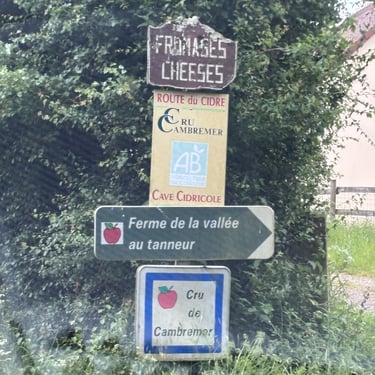
Food: The Normandy region is lush and fertile, generating amazing produce and feed for the cattle. The dairy cows in turn produce milk used in the AOP Normandy cheese including Pont l’Êvêque, Coeur de Neufchâtel, Camembert, and Livarot. There are many tasting opportunities in the tourist areas as well as a Normandy Cheese Route for self-guided joy. We chose the self-guided option learning much at the Musée du Camembert and following it with a lovely experience at La Dégusterie in the town of Pont l’Êvêque.
If drinking is more your thing, Normandy has been producing a fermented apple cider known as Calvados since about 1533. Ranging from 2.5-70% alcohol Pommeau de Normandie is as protected in this region as champagne is in that region. Driving the Cider route of Normandy is very popular with visitors but smaller cars are recommended because there are many narrow lanes to navigate from farm to farm.
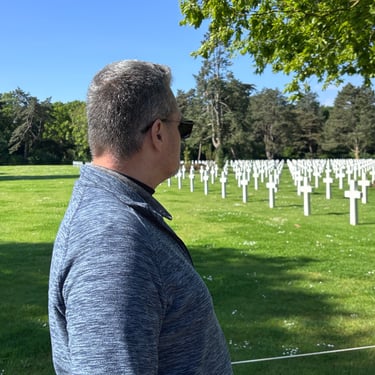
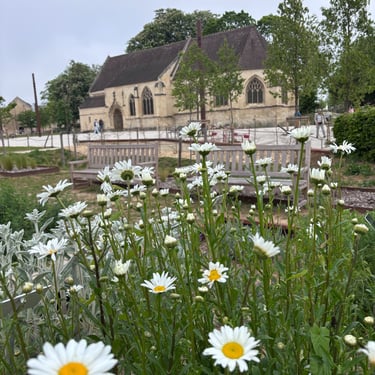

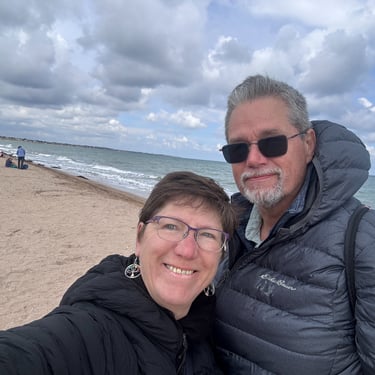
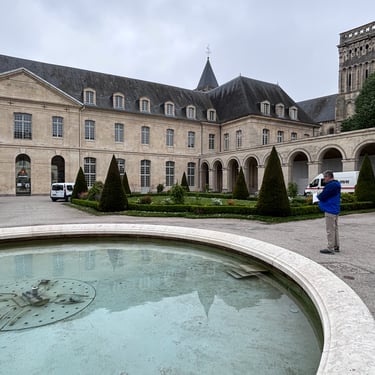
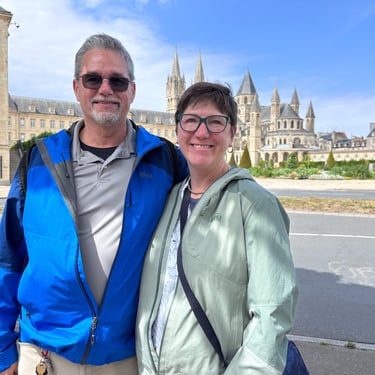

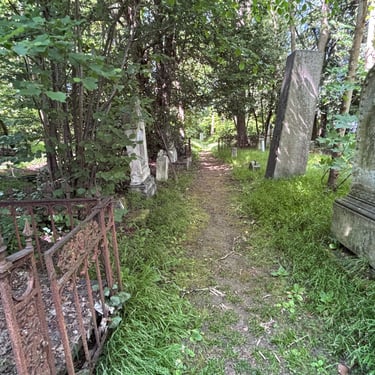
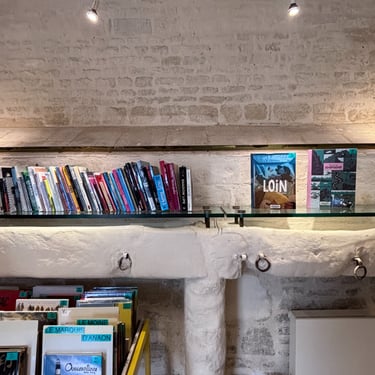
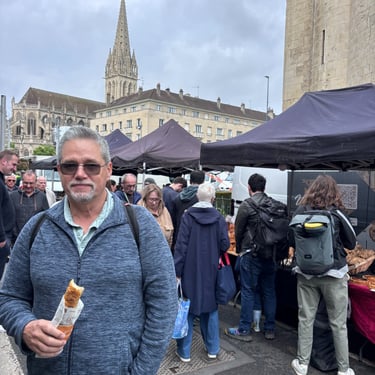
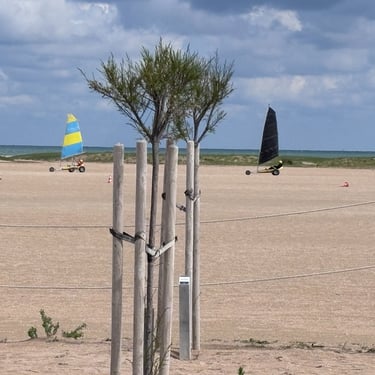
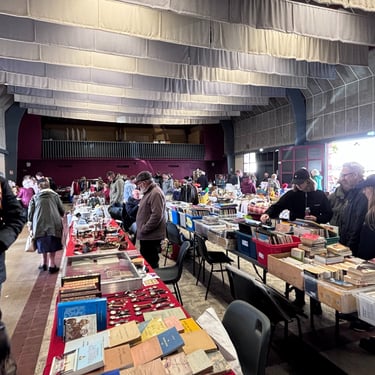
Though we did not get to see The Bayeux Tapestry (an embroidered cloth nearly 230 feet long and 20 inches tall that depicts the events leaving up to the Norman Conquest of England in 1066 led by William, Duke of Normandy) because it was temporarily being housed in England; we did experience The Abbeye du Dames, The Abbey Du Hommes, dining at a truly local restaurant, a 17th century cemetary, the cutest public library that used to be a manor and stables (see the animal trough?), the largest the farmers market, beaches for miles, and a local flea market.
The Normandy Region
If you visit Normandy, make sure to check-out these lesser advertised towns.
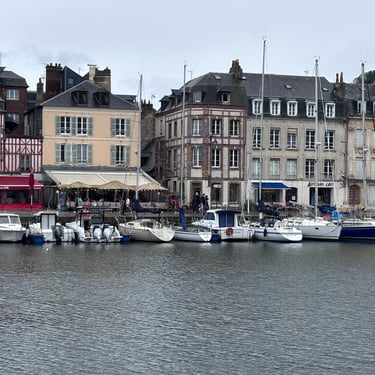
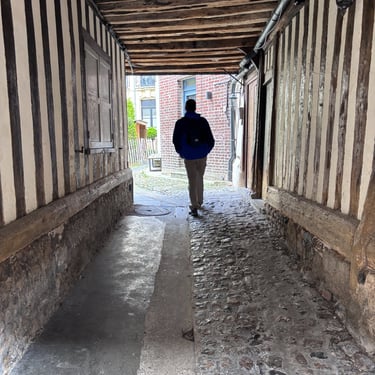
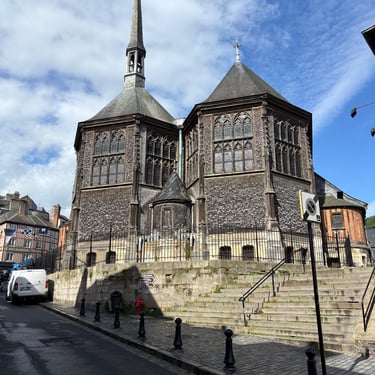
Honfleur
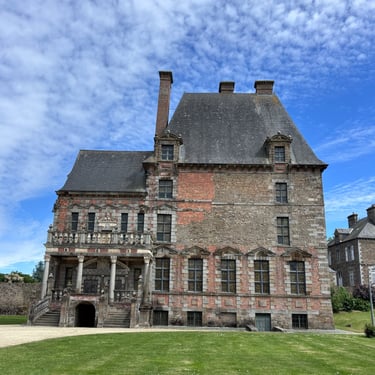
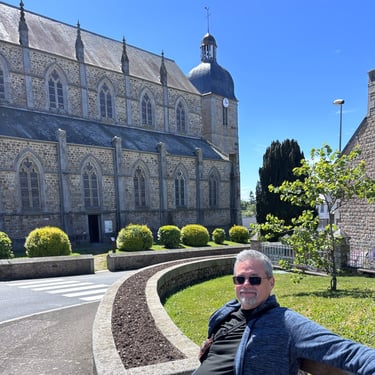
Ducey-Les Chéris
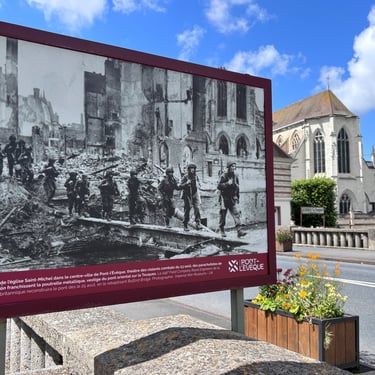

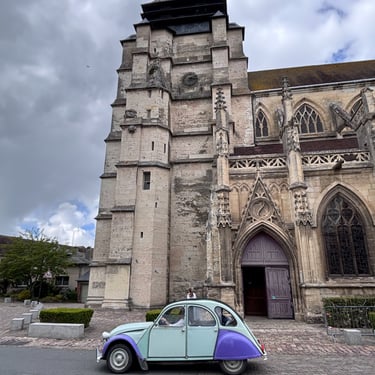
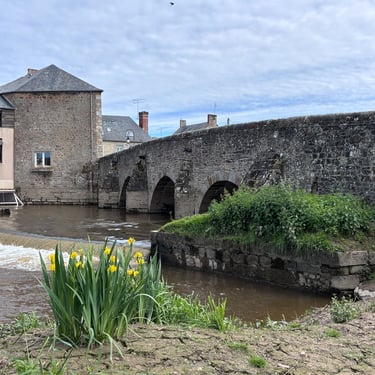
Livarot-Pays-d'Auge
Camembert
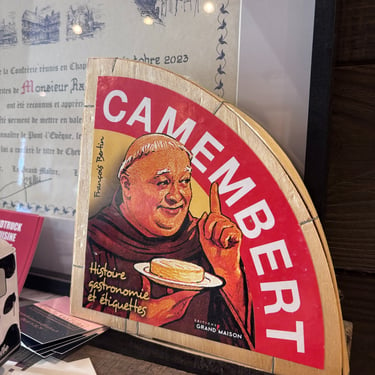
a fisherman's town
a new municipality with old roots
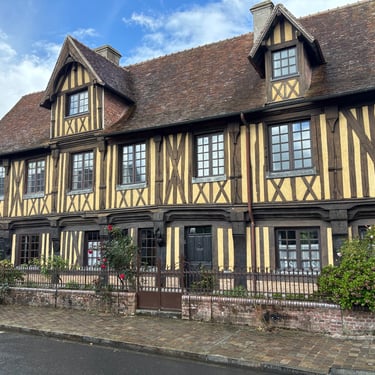
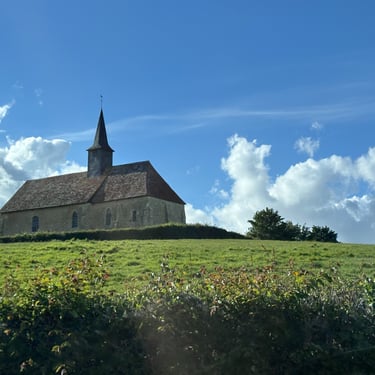
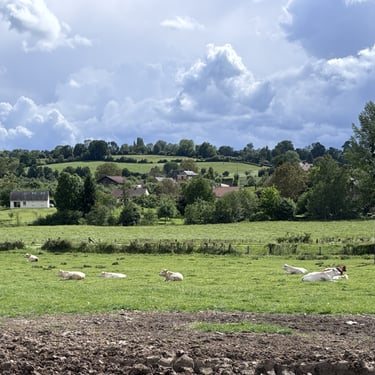
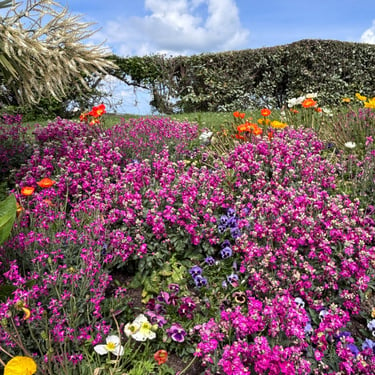
The French Countryside
Beuvron-en-Auge
a stunning experience for the senses
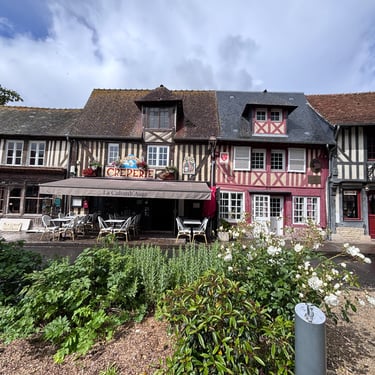
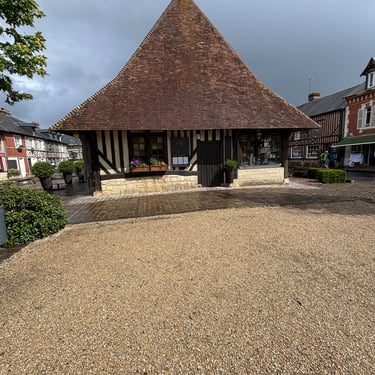
an archetypal Norman village
an educational taste at the Camembert museum
a town for history and tastings