Switzerland
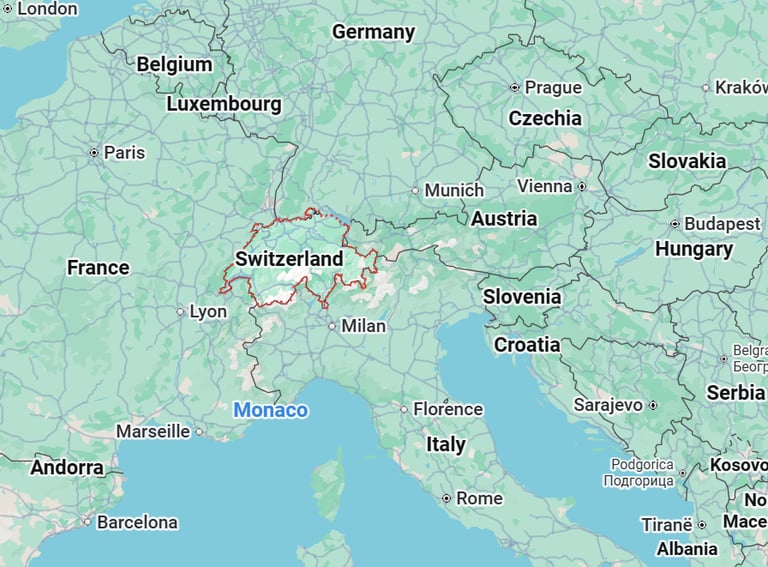
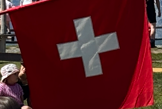
Switzerland, a country bordered by France, Germany, Austria, Liechtenstein, and Italy is known as a peaceful society in which individual rights are carefully balanced against community and national interests. This didn’t happen accidentally. With four national languages: German, French, Italian, and Romansh the country had to learn to get along with itself before it helped the world get along with each other. Formed in 1291 by an alliance of cantons against the Habsburg dynasty, the Confoederatio Helvetica (or from which the abbreviation CH for Switzerland derives) Switzerland became an official country in 1848, when a new constitution was adopted.
The most diverse geological landscape in its small square footage, Switzerland is home to many major rivers including the Rhône, which flows into the Mediterranean Sea, and the Rhine, which empties into the North Sea. But people marvel most at the Alps. The massive natural phenomenon of over-thrusted sedimentary, metamorphic, and igneous rocks create Switzerland’s jaw-dropping background. Though the Alps are considered the European watershed, in recent years it is suffering with issues of drought like many other cities, states, and countries around the world.
Politically, Switzerland has more than 3,000 communes (or municipalities) situated in 26 cantons where ordinary citizens can participate at every level of politics through referenda and initiatives. The two major effects of this system of government which combines direct democracy with federalism includes:
lower level of taxes compared to European standards because voters can review and approve a broad range of expenditures
political decision making tends to be slow
for example, Swiss women won the right to vote at a national level in 1971, but those living in the canton Appenzell Inner Rhodes were not granted the same privilege until 1990 when the Federal Court ruled women can vote at the cantonal level too.
Switzerland’s administrative capital is Bern and its judicial center is Lausanne, but the city of Geneva lands in the headlines most frequently with governmental relations because, as a politically neutral country, it often hosts international guests for negotiations and signing political documents.
Switzerland may struggle to shake off its famous image of Heidi (written by Johanna Soyri-1880-1881) and its erroneous association with the movie The Sound of Music (produced in 1965 and filmed in Austria, not Switzerland), but that doesn’t stop vacationers from visiting this spectacular country. Tourists in Switzerland can enjoy mountain excursions with numerous funiculars, gondolas, and cable cars which carry outdoor enthusiasts to hiking trails and mobility impaired people to spectacular viewpoints. Switzerland’s UNESCO World Heritage locations (see list below) also make great destinations to visit. Visitors can travel by several special panoramic trains as well as aboard themed trains like those with cheese or chocolate. Many lakes dot the small country with boating experiences from kayaking to steam wheelers, while other activities include biking, skiing, and snowboarding.
The Swiss are a multiethnic, multilingual society with a high standard of living, efficient transport systems, and a strong, innovative economy. While preserving rich traditions, they’ve produced numerous Nobel Laureates, Nobel Prize winners, and fantastic scientists. Some things invented in Switzerland include:
Velcro® was invented, patented and registered in Switzerland. The ‘hook and loop’ fastening method was created after a Swiss engineer observed seeds attaching to clothes and fur when hiking. He began marketing the ‘zipperless zipper’ in the 1950s, but a purchase by NASA in 1969 to secure things inside the Apollo spaceship brought Velcro® to homes around the world.
Nestlé originated in 1866 when Henri Nestlé developed a baby food with the Anglo-Swiss Condensed Milk Company. The 1950’s convenience food trend launched Nesquik and Maggi soups. Growth and buyouts along the way expanded Nestlé’s productions to include pharmaceuticals, cosmetics, and frozen food.
Swatch, a Swiss watch, was a creation born in 1983 to produce a low-cost, high-tech, artistic timepiece. However, one should know that wristwatches evolved with a 1541 ban on jewelry during the Calvinist movement. Shops were prohibited from displaying enticing gold and diamonds and people could not wear them, but Swiss ingenuity created functional timepieces that became acceptable to wear and sell. Since then, the Watch Makers Guild of Geneva has boosted the Swiss industry to the fourth-largest exporter in the world.
Click on a location to see our photos and stories about each location.
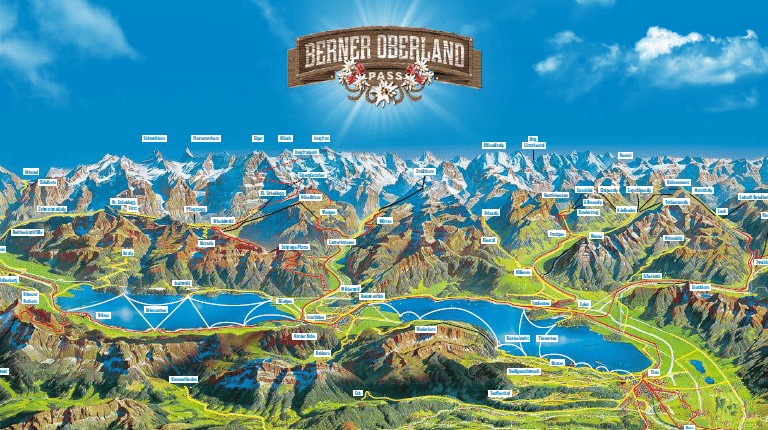
Where Have We Traveled?
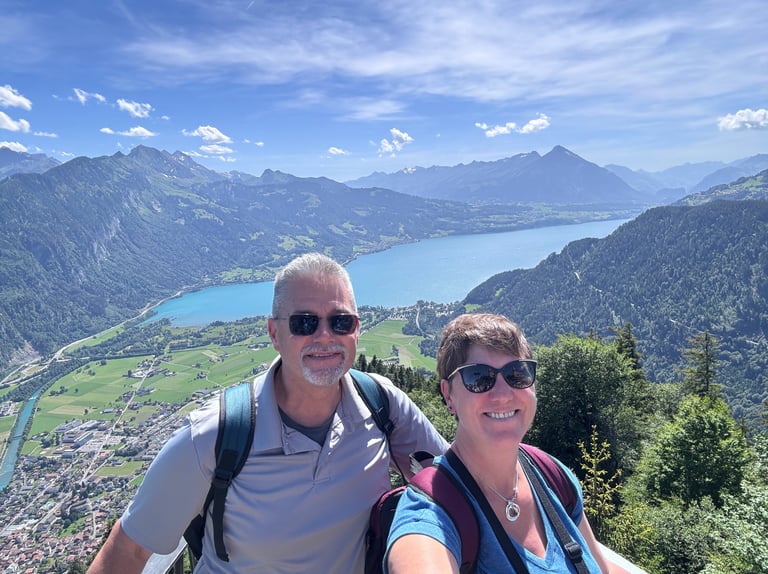
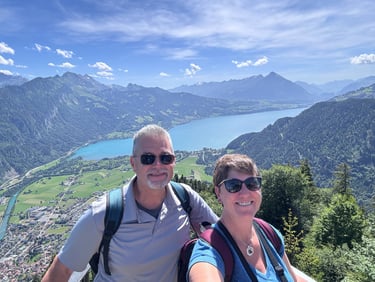
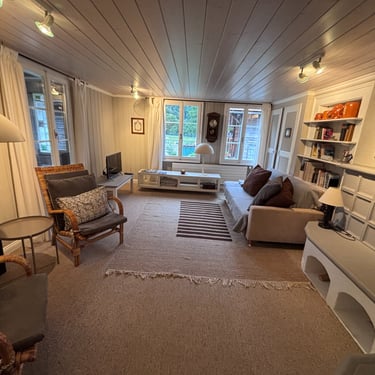
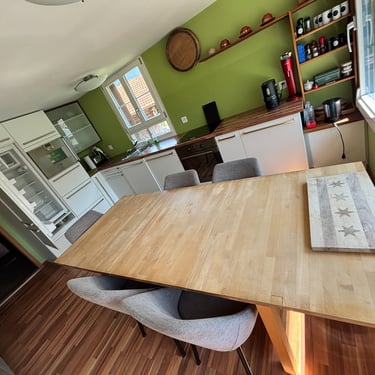
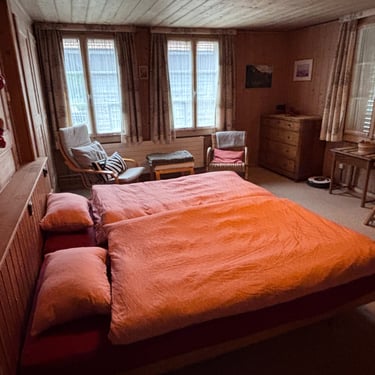
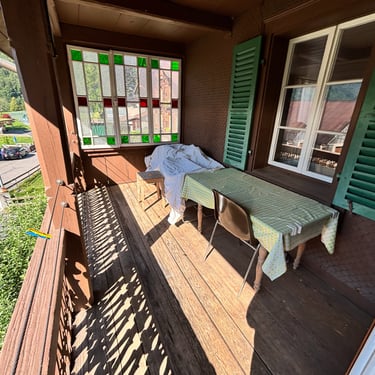
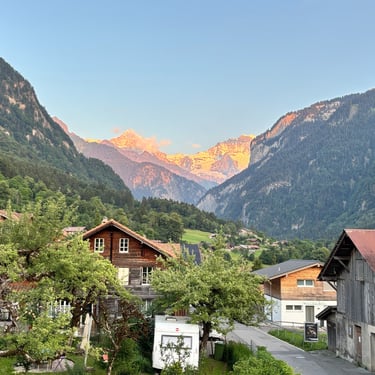
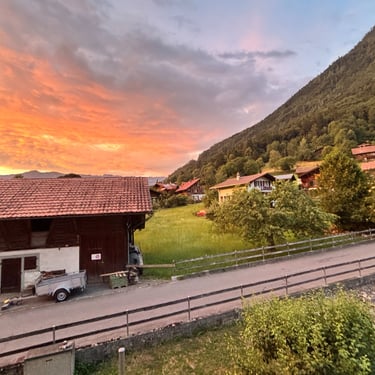
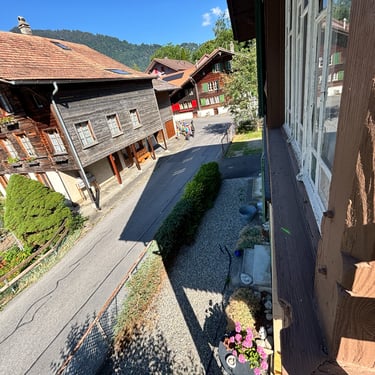
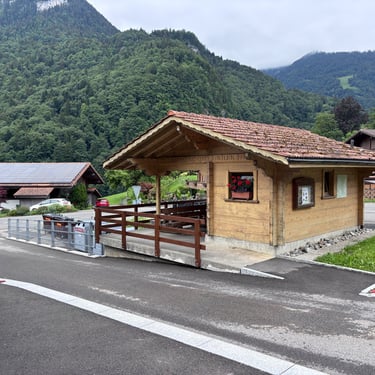
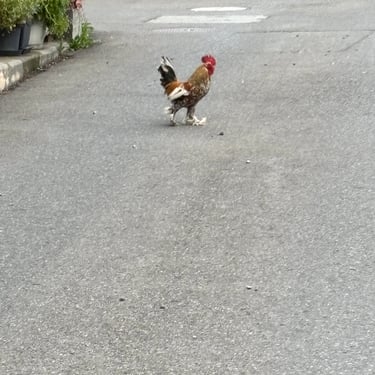
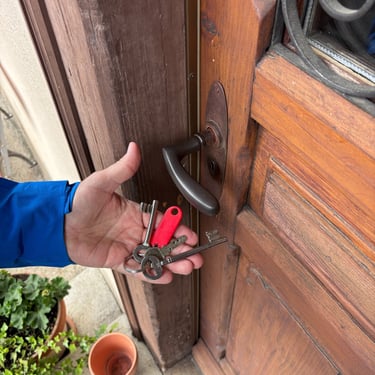
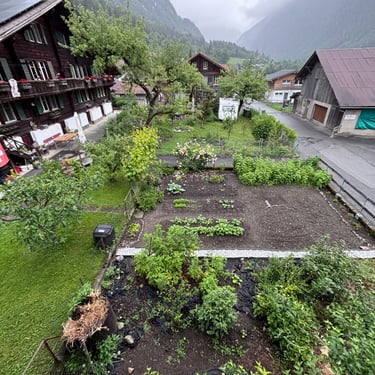
Our Accommodations: For two weeks we settled ourselves in the tiny town of Gsteigwiler, a small village where the bus line ended every 30-minutes at the wooden shed built in the 1990 to protect the local residents from sun and rain. To access our apartment we had to use old-fashioned skeleton keys.
Gsteigwiler had one community store with an entry code for after-hours purchasing. Every day we saw runners and cyclists pass through town on their long trail run. Occasionally, we heard the rooster crow, but every morning we watched three horses being walked to a corral at the bottom of the hill and in the evenings, we watched them being led back home.
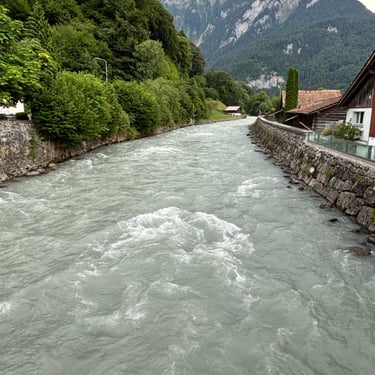
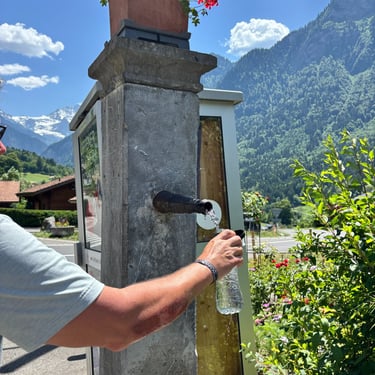
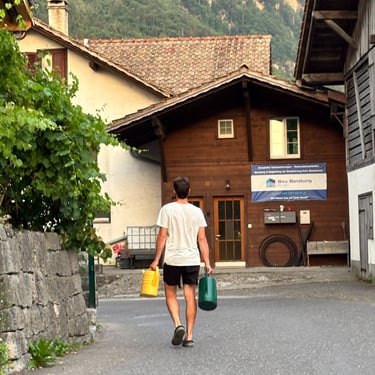
Nearly every yard, small or large had produce growing (apples, berries, lettuce, kohlrabi, onions, herbs, etc.) and residents would walk over to one of the fountains to fill their watering cans. In fact, the water was so sold, fresh, and clean we could, and did, drink from it. The river was powerful in June.
We felt relaxed and peaceful as we listened to the school bells chime (ding-ding) and the fountains tinkle day and night.
UNESCO World Heritage Sites-SWITZERLAND
Abbey of St Gall
Benedictine Convent of St John at Müstair
Old City of Berne
Three Castles, Defensive Wall and Ramparts of the Market-Town of Bellinzona
Swiss Alps Jungfrau-Aletsch
Monte San Giorgio *
Ancient and Primeval Beech Forests of the Carpathians and Other Regions of Europe *
Lavaux, Vineyard Terraces
Rhaetian Railway in the Albula / Bernina Landscapes *
Swiss Tectonic Arena Sardona
La Chaux-de-Fonds / Le Locle, Watchmaking Town Planning
Prehistoric Pile Dwellings around the Alps *
The Architectural Work of Le Corbusier, an Outstanding Contribution to the Modern Movement *
The United Nations Educational, Scientific and Cultural Organization (UNESCO) seeks to encourage the identification, protection and preservation of cultural and natural heritage around the world considered to be of outstanding value to humanity. This is embodied in an international treaty called the Convention concerning the Protection of the World Cultural and Natural Heritage, adopted by UNESCO in 1972.