Operation Overlord for Peace
To turn the tide against Nazi Germany, it took a cooperative effort.
FRANCE
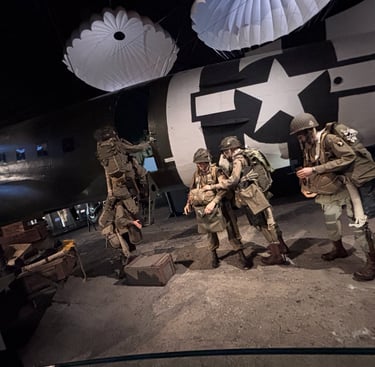
Most people know it as “D-Day”.
The day is actually the beginning of Operation Overlord. Reportedly the name Operation Overlord was chosen to sound significant and reflect the goal of establishing a commanding, dominating presence.
D-Day is literally the designator for the first day of any large-scale U.S. military operation. Assigning the name “D-Day” is mostly attributed to keeping a specific date from being leaked through communications.
To also further clarify for the reader, the specific beach landing of the operation was designated as Operation Neptune.
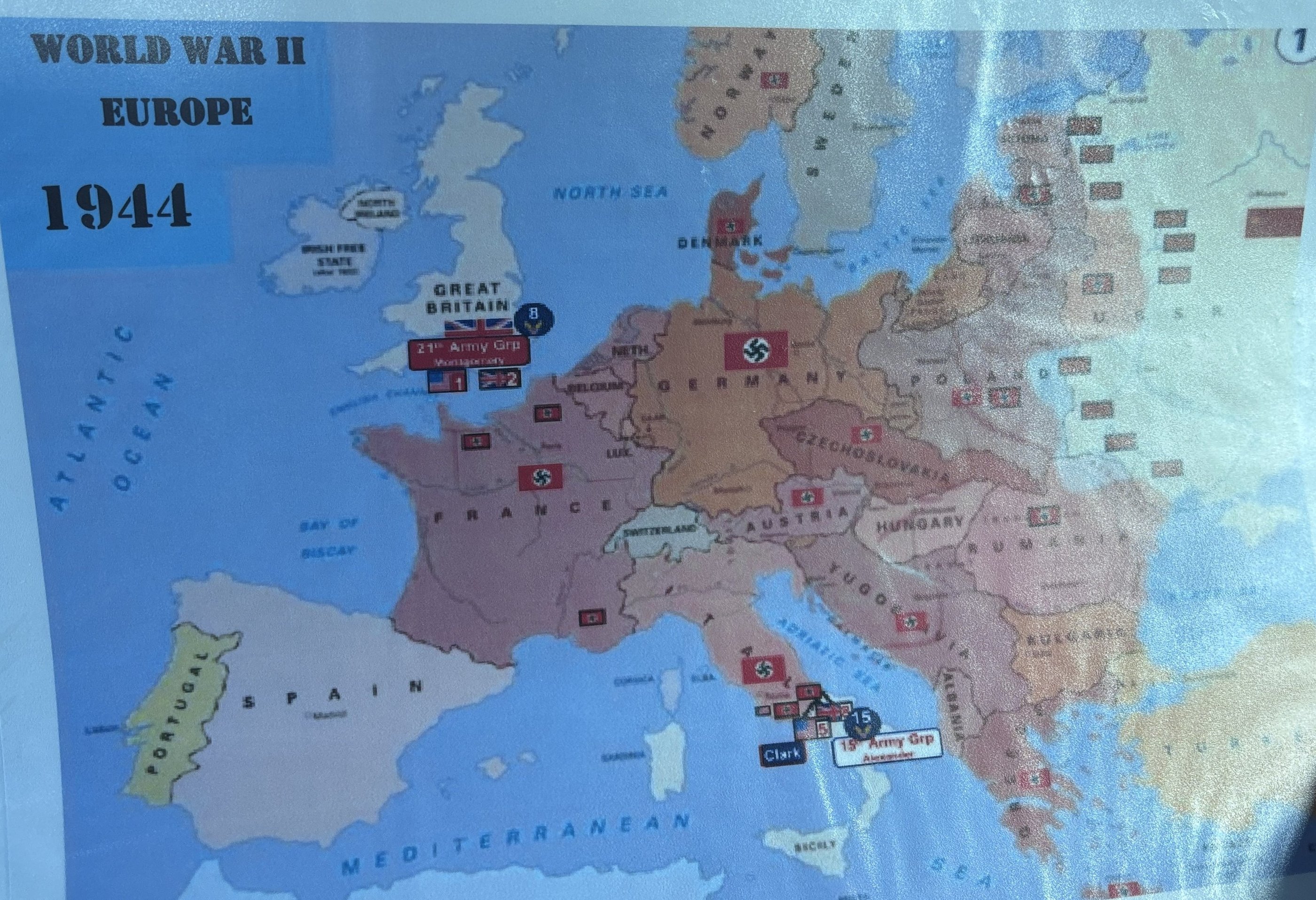
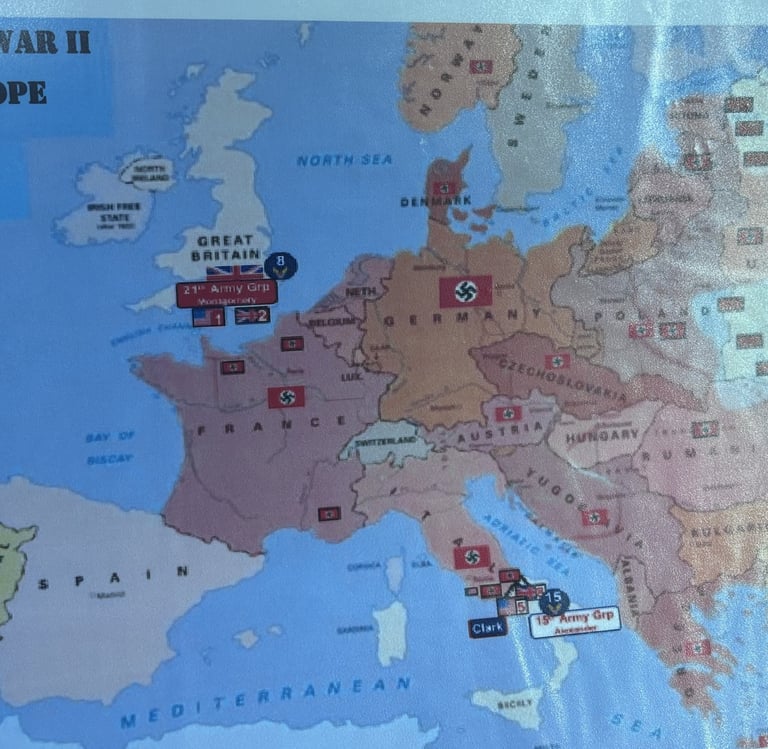
Operation Overlord began on June 6th, 1944 and was not considered complete until August of that same year. This landing was necessary to turn the tide against Nazi Germany after it began the war by invading Poland on September 1st, 1939 and had successfully blitzkrieged their way across most of Europe. America had stood by and watched until Germany’s ally Japan, attacked Pearl Harbor on December 7th, 1941. Now with the entire free world united, it was time to finally become the aggressor.
Due to the Fog of War and the immense size of Operation Overlord in sheer numbers of personnel involved, exact casualty counts are approximates even now.
On D-Day alone approximately 4,414 Allied troops were KIA, or Killed in Action.
Over the entire duration of Operation Overlord, approximately 25,000-39,000 Allied deaths are reported.
German casualty numbers are even more difficult to be exacting on, as they include both wounded and killed. One source states approximately 425,000 casualties, with about 200,000 of those being deaths.
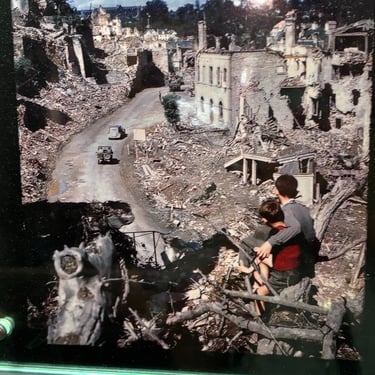
Civilian deaths during Operation Overlord are estimated to be between 13,600- 20,000. Additionally, 11,000-19,000 were killed in pre-invasion bombing in the Normandy region.
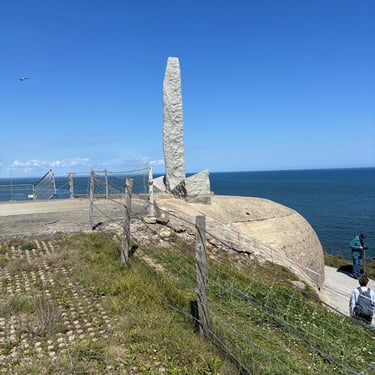
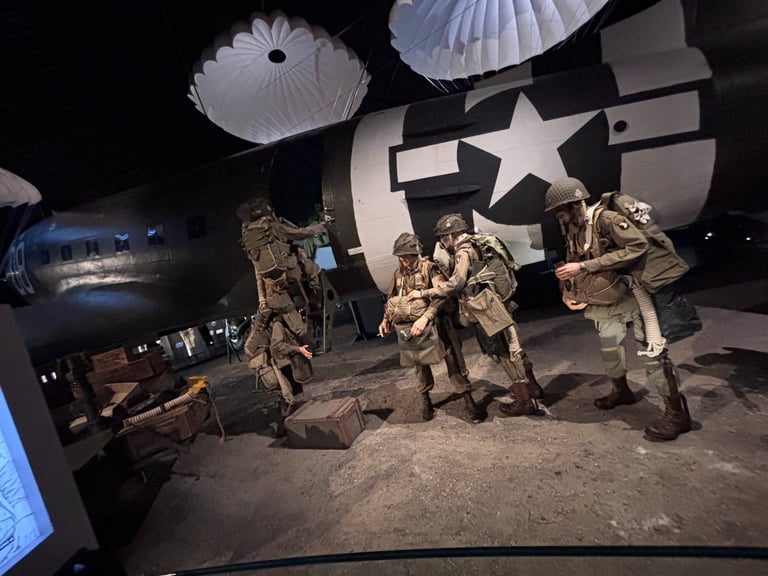
Five beaches were assigned as landing zones for Operation Neptune. From West to East they were; Utah, Omaha, Gold, Juno and Sword. Over 23,400 airborne troops landed inland the night before, and units from the Army Rangers assaulted Pointe du hoc in the famous 110ft cliff climb and subsequent battle to take out previously identified heavy artillery batteries.
The beaches’ names are surrounded by some urban myth and legend. Eisenhower supposedly had two carpenters that built his headquarters that were each from Utah and Omaha.
The British commander, Montgomery reportedly named the remaining three beaches after different fish, and Churchill supposedly shortened them because he wanted them to sound more menacing. EX: Goldfish become Gold, Swordfish became Sword.
As stated, the naming of the beaches is not officially confirmed by either the Americans or the British that I could find.
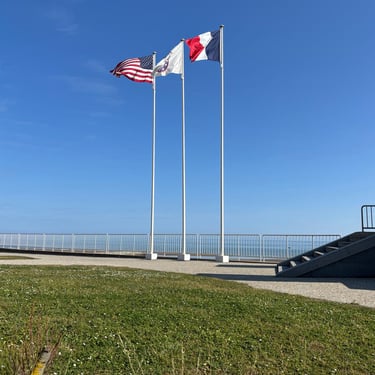
On this date, D-Day, 156,000-160,000 personnel landed along a 50-mile stretch of the Northern coast of France, known as Normandy. These men and a few women were mostly from the USA, Britain and Canada. Also present and in various roles from actual combat to supply and support were troops from Australia, Belgium, Czechia, Holland, France, Greece, New Zealand, Norway, the Netherlands, Poland and Rhodesia.
Over 5,000 ships and landing craft, along with over 13,000 aircraft were involved that first day. By D+5, over 326,000 personnel had landed. It wasn’t until then that all five beaches were tactically linked with one another.
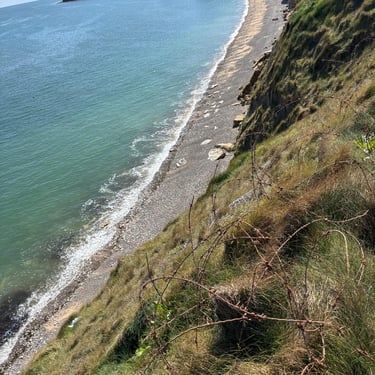
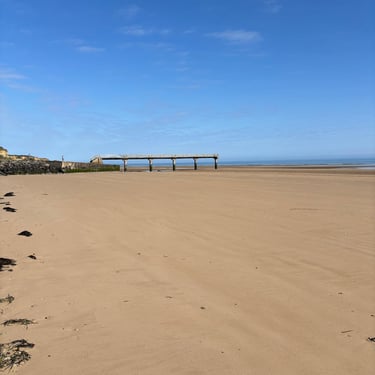
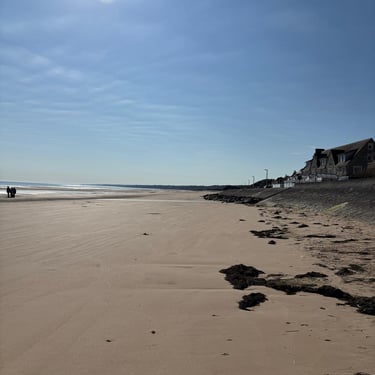
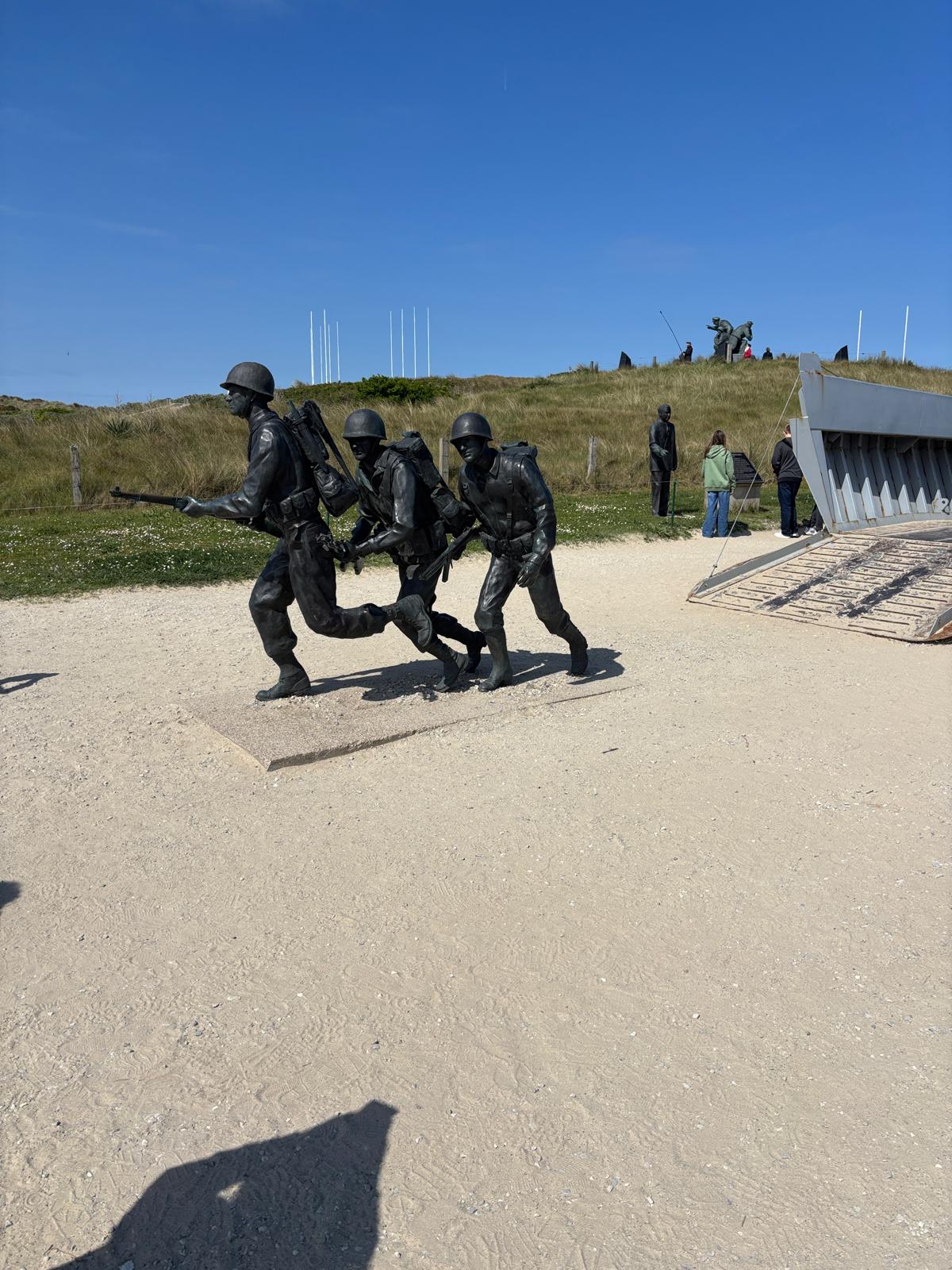
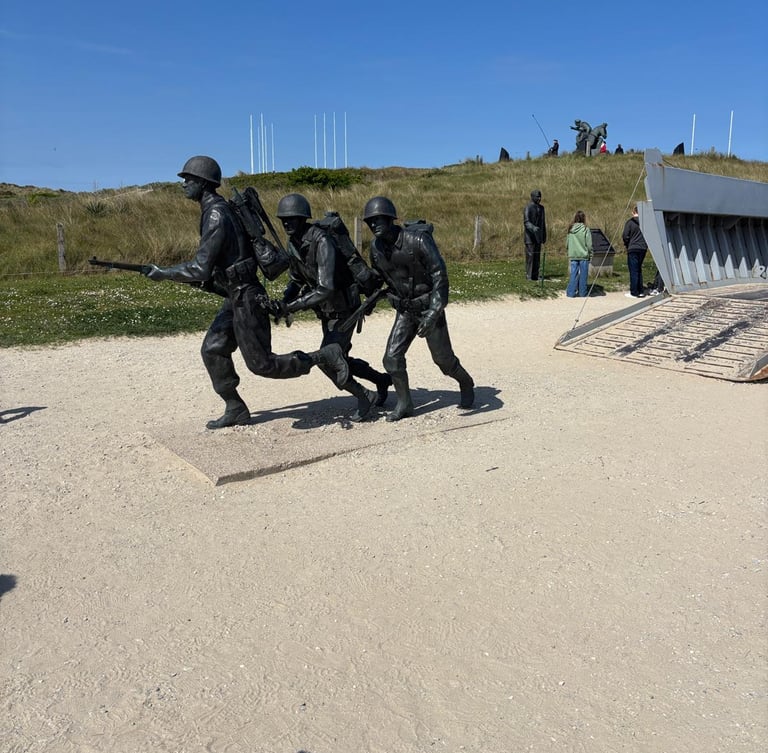
I have chosen not to segregate the allied casualties from the U.S. casualties. Their sacrifices are every bit as noteworthy and respectable as “Ours.” I have also included the Axis, or German casualties. Most were professional soldiers serving their nation and as a combat veteran myself, I can acknowledge their service respectfully without condoning or supporting the actions of their government and/or superiors.
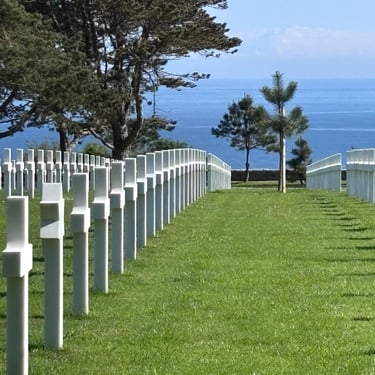
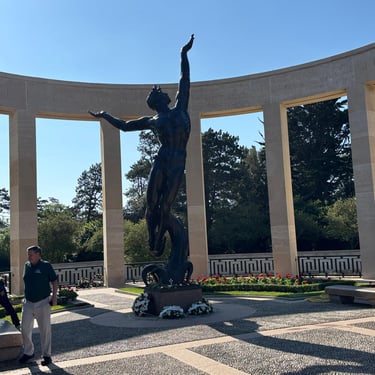
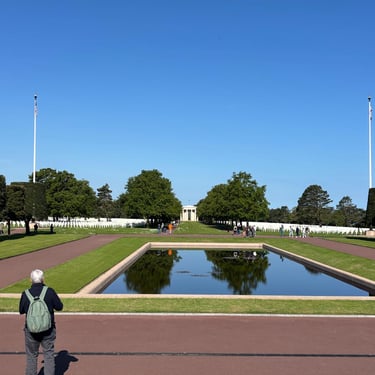
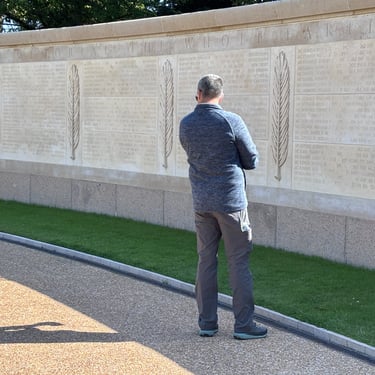
This region has not forgotten the sacrifices of all involved. There are memorials to allies, enemies and civilians alike. Lest we forget: Bombs and bullets do not discriminate.
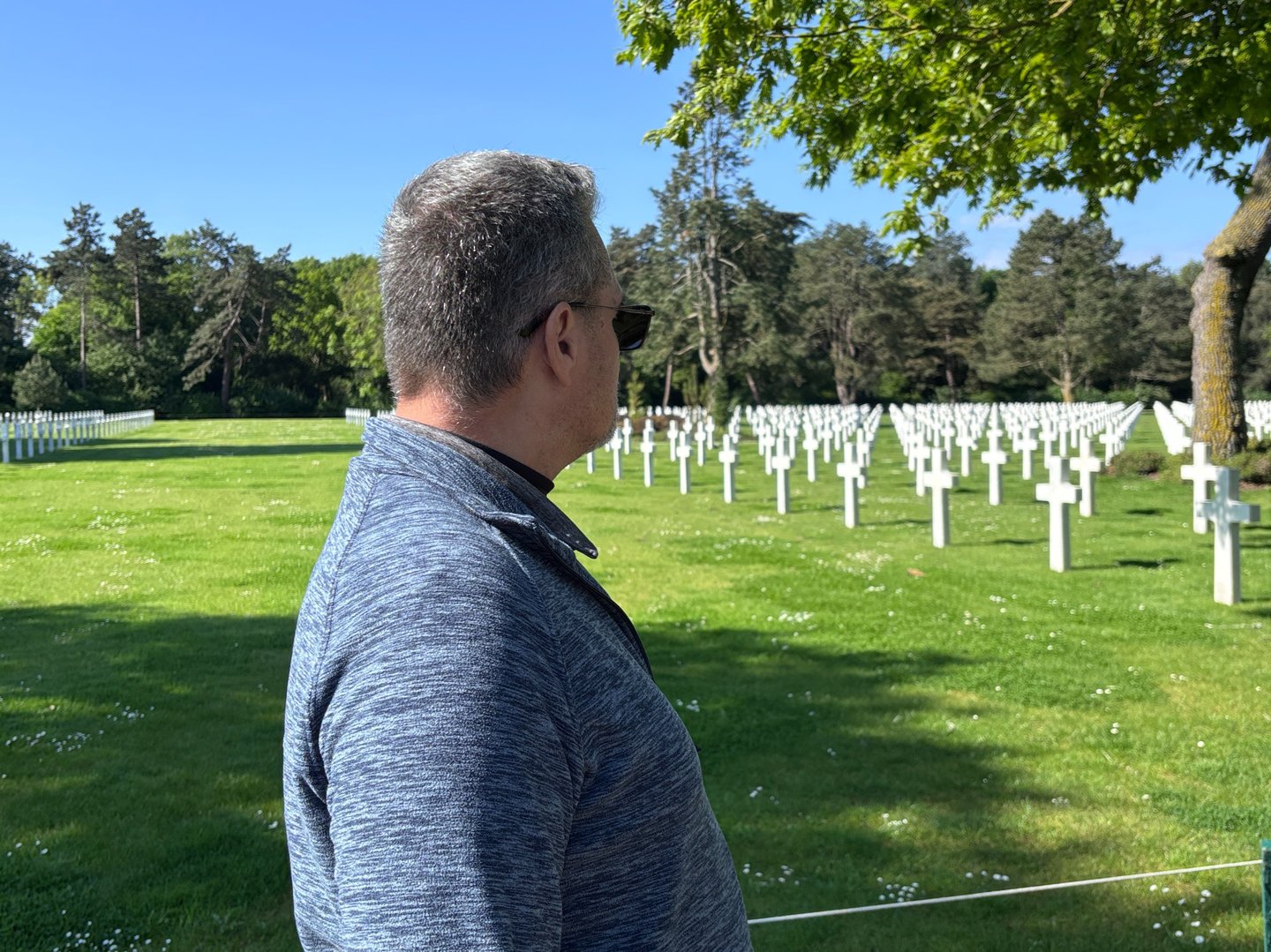
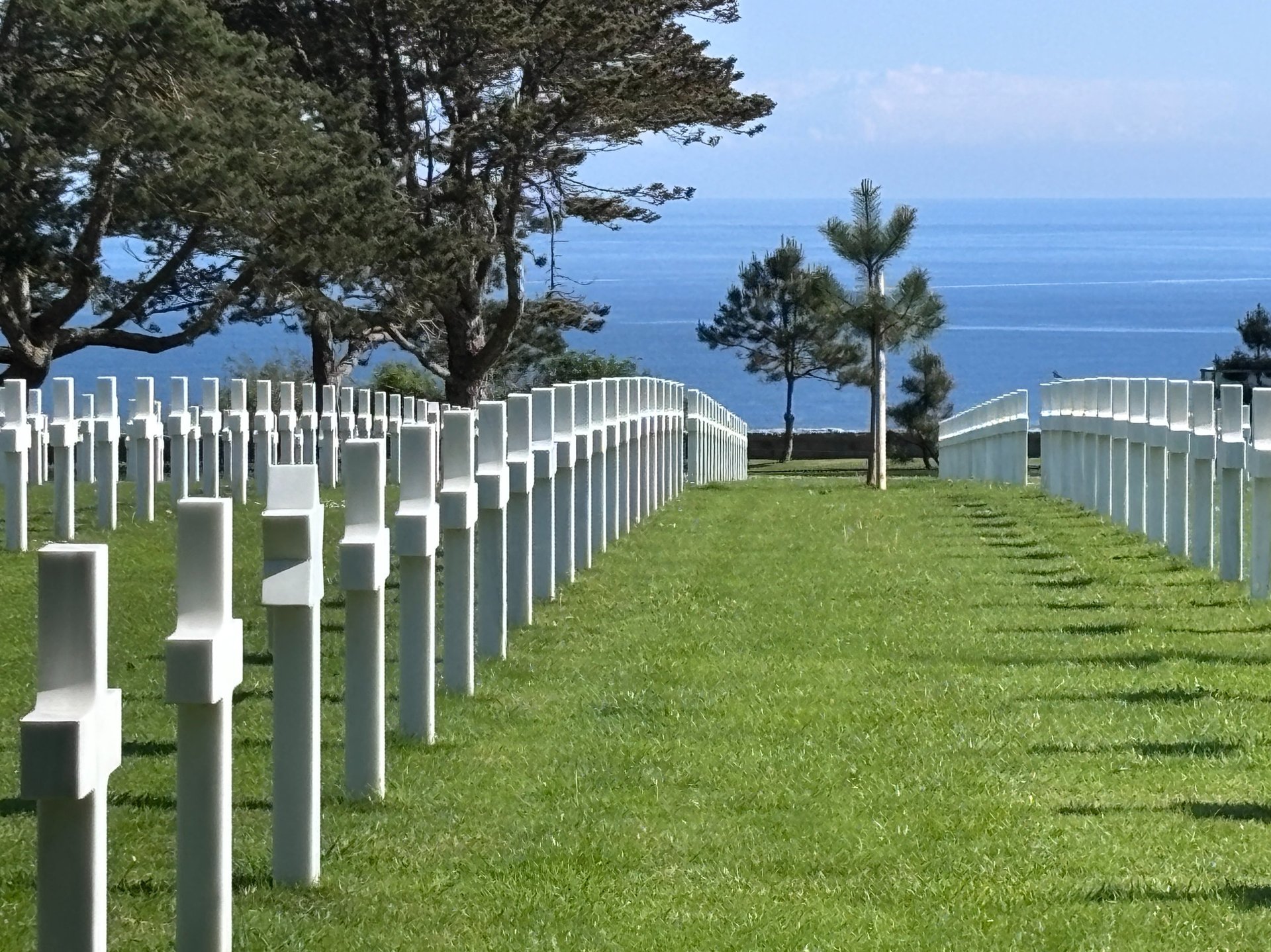
In Memorium...